Western Yellow Mycena Care (Mycena oregonensis)

Western Yellow Mycena

About Western Yellow Mycena

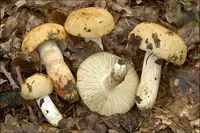
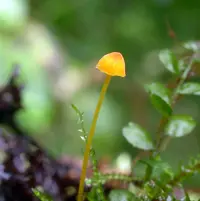
Western yellow mycena (Mycena oregonensis) is a small woodland mushroom, not a leafy houseplant. It forms delicate, slender stems topped with small, bright yellow to yellow-orange caps. Fruits often appear in clusters on decaying wood, mossy logs, or forest litter. This species is native to moist coniferous forests of the Pacific Northwest in North America. It relies on cool, damp, shaded conditions and rich organic debris, which makes it challenging to keep in controlled home settings. Anyone wanting to learn how to care for Western Yellow Mycena should understand that it behaves as a decomposer fungus and depends on very specific humidity and substrate conditions.

Main Plant Requirements

Care Difficulty

Hard Care

Light Preference

Shade

Water Requirements

Keep Soil Moist

Temperature Preference

Cool Climate

Hardiness Zone

Unknown

Soil Texture

Loamy, Silty, Organic-rich

Soil pH

Acidic (5.5–6.5)

Soil Drainage

Moist but well-drained

Fertilization

Minimal (feed rarely)

Get Personalized Care Plan

Scan your plant to receive care tips personalized for your specific plant

Available on iOS and Android

How to Care for the Western Yellow Mycena

This small woodland fungus thrives in low, cool forest light similar to its native Pacific Northwest habitat.

  • Provide full to dappled shade under trees or shrubs, with 0–2 hours of weak, early-morning sun at most.
  • Mimic the forest floor by giving filtered light through leaf litter, logs, or moss; direct midday or afternoon sun can dry substrates and damage delicate caps.
  • In summer, increase shade and moisture retention; in autumn, slightly brighter but still shaded conditions support fruiting of Western Yellow Mycena.

This fungus depends on consistently moist, not waterlogged, organic material around its mycelium.

  • Maintain evenly moist leaf litter or decaying wood, avoiding standing water; allow only the top 1–2 cm to begin drying before re-moistening.
  • In dry or hot spells, mist the substrate lightly 1–2 times daily, focusing on the surrounding wood or litter rather than directly soaking the caps.
  • Signs of excess moisture include foul odor and slimy patches, while shriveling caps and brittle stems indicate the substrate is drying too much.

This species prefers cool, moist forest conditions and declines quickly in heat or hard frost.

  • Aim for 45–65°F (7–18°C) during active growth, which reflects typical cool-season forest temperatures where Mycena oregonensis fruits.
  • Short exposures down to 32°F (0°C) may be tolerated, but repeated freeze–thaw cycles damage fruiting bodies and slow mycelial activity.
  • Temperatures above 75°F (24°C), especially with low humidity, dry the substrate rapidly, so provide deep shade and increased moisture during warm periods.

This small forest mushroom prefers consistently moist, humid air similar to its native woodland floor.

  • Aim for 70–90% humidity around Western Yellow Mycena, avoiding prolonged drops below 60%.
  • Dry air causes caps to shrivel, edges to crack, and fruiting bodies to abort prematurely.
  • Increase humidity with a closed, ventilated terrarium-style setup, damp moss, and frequent fine misting that keeps surfaces moist but not waterlogged.

This fungus grows on decaying wood and leaf litter, so it needs a loose, organic, moisture-retentive yet airy substrate rather than traditional mineral soil.

  • Use a mix of well-rotted hardwood chips, leaf litter, and a small amount of coco coir to mimic forest duff for Mycena oregonensis.
  • Ensure the substrate drains freely yet stays evenly damp; waterlogged, compacted material quickly leads to rot and loss of fruiting.
  • Keep pH slightly acidic, roughly 5.5–6.5, by avoiding lime-rich amendments and using leaf mold or conifer litter where possible.
  • Improve aeration by layering coarse wood chips at the base and avoiding fine, silt-like composts that collapse and exclude air.

This species can be grown in containers only as an artificial woodland microhabitat for fruiting experiments, not as a typical ornamental plant.

  • Choose a wide, shallow, opaque tub to spread woody substrate in a thin layer that mimics a forest floor and prevents deep anaerobic pockets.
  • Drill multiple small side and bottom holes to balance drainage with high humidity, then place the container inside a larger humidity tent or box.
  • Use a stable, low-profile container that will not tip when substrate is kept unevenly moist and when clusters of mushrooms emerge in localized patches.

Mycena oregonensis is a woodland fungus that extracts nutrients from decaying organic matter and usually needs no added fertilizer in cultivation.

Mycena oregonensis does not benefit from structured pruning and only minimal cleanup is needed during its brief fruiting period.

This species is rarely grown in standard pots; instead, it is established on suitable woody or leaf litter substrates.

  • Transplant only when colonized substrate is clearly exhausted or contaminated, indicated by weak or patchy fruiting.
  • Plan moves during cooler, moist periods to limit stress on the mycelium, the underground fungal network.
  • Shift the entire colonized block onto fresh, similar substrate without breaking it apart, keeping moisture levels steady.
  • Handle gently, avoid compaction, and maintain stable shade to help the colony reestablish and resume growth.

Reproducing Mycena oregonensis at home is challenging and is usually left to specialist growers or researchers.

In naturalized outdoor settings, Western Yellow Mycena typically needs no special winter care beyond maintaining a stable, moist woodland-like habitat.

Care Tips

Substrate layering

Use a thin top layer of moist, well-rotted conifer needles or fine bark over the main substrate to mimic forest duff and encourage more natural, clustered fruiting bodies.

Cool-down triggering

After colonization, lower temperature by 5–10°F and shorten light duration for several days to help signal the shift from vegetative mycelial growth to fruiting.

Gentle air exchange

Provide very light, indirect airflow using a small fan placed away from the container to prevent stale air buildup without drying delicate caps and stems.

Harvest with care

Cut fruiting bodies at the base with a sterile scalpel or fine scissors instead of pulling them out, which protects the underlying mycelium for repeated flushes when growing Western Yellow Mycena.

Contamination monitoring

Inspect the substrate every few days for unusual colors, fuzzy patches, or sour odors, and promptly remove small contaminated zones with sterile tools before they spread.

Common Pests and Diseases

Fungal parasitism

This disease involves other fungi colonizing the fruiting bodies and feeding on their tissues. Symptoms include distorted caps, off-color patches, or a powdery or fuzzy overgrowth on stems and caps.

Solution

Remove and discard parasitized mushrooms promptly to reduce spread, and avoid disturbing infected material so spores are not moved across the patch. Improve airflow and avoid heavy, repeated watering in the immediate area to keep surface moisture more moderate, which helps limit aggressive parasitic fungi when growing Western Yellow Mycena in a controlled setting.

Mite grazing

These insects are tiny arthropods that feed on fungal tissue, especially gills and young caps. Symptoms include pitted or roughened surfaces, deformed caps, and fine movement of small pale specks on or around the mushrooms.

Solution

Physically remove heavily infested fruiting bodies and any nearby decaying organic matter that shelters mites. In a cultivation setup, keep the substrate slightly less wet, increase ventilation, and use fine mesh barriers around trays or containers to reduce mite access without resorting to chemical treatments on the mushrooms themselves.

Slug and snail damage

These pests feed directly on the soft mushroom tissue. Symptoms include irregular holes, missing sections of caps, slime trails, and overnight loss of small fruiting bodies.

Solution

Hand-pick slugs and snails in the evening or early morning and remove nearby debris, boards, or dense groundcover where they hide. Physical barriers such as copper tape around small grow containers and rough, dry surface materials around the fruiting area help reduce grazing pressure without affecting the fungus.

Bacterial blotch

This disease is caused by opportunistic bacteria that thrive on very wet mushroom surfaces. Symptoms include water-soaked, slimy, or yellow-brown spots on caps and stems that may spread rapidly in crowded clusters.

Solution

Remove affected mushrooms and any obviously slimy organic debris, then reduce overhead wetting so surfaces dry between moisture events. Increase air movement around the fruiting area and avoid handling mushrooms with dirty or wet hands or tools, which can transfer bacteria.

Interesting Facts

Pacific Northwest specialist

This small yellow mushroom is known only from moist coniferous forests of the Pacific Northwest, especially western Oregon, where it fruits on needle litter and woody debris on the forest floor.

Distinctive yellow gills

The cap, stem, and gills are all distinctly yellow, which helps separate it from many other Mycena species that have pale or grayish gills and less uniform coloration.

Tiny but structured

Although the fruiting bodies are very small, they still show the classic mycenoid structure, with a bell-shaped cap, slender stem, and white spore print that mycologists use for identification.

FAQs about Western Yellow Mycena

This fungus develops quickly once conditions are right, often fruiting within days after sustained moisture. Individual mushrooms appear and mature in a short window, but the underlying mycelium can persist and regrow seasonally from the same wood substrate.

Grow Healthy Plants with Botan Care

Keep your plants happy and healthy with plant identification, disease detection, and easy care guidance.

Botan plant care app — identify plants on mobile

Explore More Plants