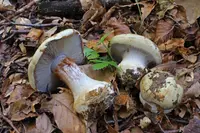
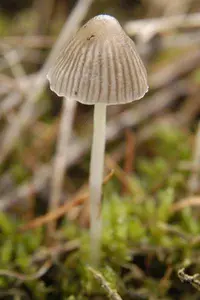
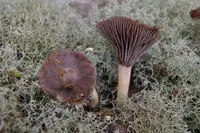
Palomino cup Care (Discina repanda)

Palomino cup

About Palomino cup

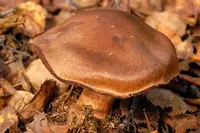
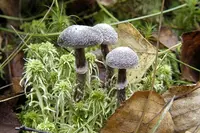
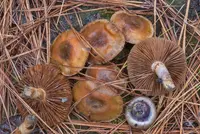
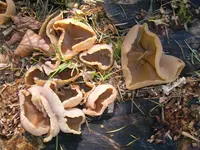
The Palomino cup, Discina repanda, is a cup-shaped ascomycete fungus rather than a typical leafy plant. It forms shallow, irregular brown cups that sit close to the ground, often in small groups.

This species usually appears on soil or decaying wood in coniferous or mixed forests, especially in temperate regions. It is considered a saprotroph, meaning it feeds on dead organic matter and helps break down forest litter.

For those who like to care for Palomino cup in cultivation, it can be challenging, as fungi have specific moisture, substrate, and seasonal needs. It generally prefers cool, moist, shaded conditions and undisturbed, organic-rich soil or woody debris.

Main Plant Requirements

Care Difficulty

Moderate Care

Light Preference

Partial Shade

Water Requirements

Keep Soil Moist

Temperature Preference

Cool Climate

Hardiness Zone

Unknown

Soil Texture

Loamy, Silty, Organic-rich

Soil pH

Acidic (5.5–6.5), Slightly acidic (6.5–7.0)

Soil Drainage

Moist but well-drained

Fertilization

Minimal (feed rarely)

Get Personalized Care Plan

Scan your plant to receive care tips personalized for your specific plant

Available on iOS and Android

How to Care for the Palomino cup

This forest-dwelling cup fungus prefers cool, dappled light similar to a mixed woodland floor.

  • Site Discina repanda in partial shade with 1–3 hours of soft morning sun and filtered light the rest of the day, avoiding direct midday or afternoon sun.
  • Choose locations under deciduous shrubs or trees where leaf cover provides shifting shade and light, mimicking natural woodland conditions.
  • In late spring and early summer, protect Palomino cup from strong, drying sun; too much direct light can desiccate fruiting bodies, while deep shade can reduce formation.

Moist, not waterlogged, conditions are essential for reliable fruiting of this woodland fungus.

  • Maintain consistently damp soil or leaf litter, allowing only the top 1–2 cm to begin drying between natural rains or supplemental watering.
  • Discina repanda responds well to slow, deep watering that soaks the upper 5–8 cm of soil, always in a site with excellent drainage to prevent standing water.
  • Increase moisture in late winter to spring with gentle, frequent soaking, and reduce added water in dry summer periods while avoiding complete substrate dryness or cracked soil.

This species fruits best in cool to mild conditions typical of spring woodlands.

  • Aim for an active fruiting range of about 45–65°F (7–18°C), with the mycelium in the soil tolerating slightly cooler or warmer spells.
  • Brief exposure down to about 28–30°F (-2 to -1°C) may be tolerated, but repeated hard frosts can damage developing cups or delay emergence.
  • Sustained heat above 75°F (24°C), especially when combined with dry air and soil, shortens the fruiting period, so shaded, moist microclimates help buffer temperature swings.

Humidity plays only a minor role for this temperate fungus, which naturally grows in open woodland conditions.

Discina repanda fruits best in cool, moist, organically enriched forest-like ground rather than typical potting mixes.

  • Use a loose, humus-rich, loamy substrate made from leaf mold, composted bark, and native woodland soil to mimic natural conditions.
  • Maintain evenly moist but not waterlogged conditions; the substrate should drain freely yet stay slightly damp after rainfall or watering.
  • Aim for slightly acidic to neutral pH around 5.5–7.0, avoiding limed or strongly alkaline soils that can reduce fungal activity.
  • Improve aeration and drainage by incorporating coarse sand or fine gravel, preventing compaction that restricts mycelium spread and fruiting.

This species is generally unsuitable for container growing and performs best when allowed to colonize undisturbed ground.

Discina repanda, often called Palomino cup, usually needs no fertilizer when grown in natural, humus-rich soil.

  • If grown in a controlled bed or container, use a light top-dressing of sifted compost once in early spring.
  • Avoid frequent feeding; excess nutrients encourage competing plants and can disrupt natural fungal balance.
  • Where growth appears weak, apply a very dilute balanced NPK solution at 1/4 strength once in spring only.

Discina repanda does not require true pruning, but careful removal of spent or damaged fruiting bodies can be helpful in managed sites.

  • Remove decayed, moldy, or insect-damaged cups with clean fingers or small scissors to reduce disease spread.
  • Avoid disturbing the underlying soil or fungal mycelium, which is the main living body of the fungus.
  • Do not trim surrounding leaf litter too aggressively, as it helps maintain moisture and habitat conditions.

Discina repanda is a wild cup fungus that is rarely kept in containers, so management focuses on minimal disturbance rather than repotting.

  • Avoid transplanting; disturbing the soil often damages the hidden mycelium and reduces future fruiting.
  • If movement is unavoidable, shift a wide, intact plug of soil and leaf litter during cool, moist weather in fall.
  • Prepare the new site with similar soil type, organic matter level, and shade to reduce stress on the fungal network.
  • Water the area gently after moving and keep the site evenly moist, not waterlogged, for several weeks.

Discina repanda propagation is usually left to natural spore spread, and deliberate propagation is technically difficult for home growers.

  • Fruiting bodies release microscopic spores that colonize suitable nearby soil and woody debris.
  • To encourage spread, maintain a stable, moist, shaded habitat with abundant decaying organic matter.
  • Avoid raking or compacting soil where cups appear, so the mycelium can expand naturally over time.

Discina repanda is cold hardy in its native range and usually needs no special winter care in outdoor settings.

  • Leave natural leaf litter in place as a light mulch to stabilize soil temperature and moisture.
  • Avoid deep digging or soil disturbance in winter, which may damage the dormant mycelium.
  • Container experiments with this fungus should be overwintered outdoors in a shaded, cool spot, kept just slightly moist.

Care Tips

Site cleanliness

Clear away dense leaf litter, fallen branches, and heavy moss mats in the fruiting zone in late winter so that cup bodies can emerge cleanly and are easier to monitor for condition and age.

Moisture buffering

In woodland beds, add a thin top layer of well-rotted broadleaf leaf mold over the existing substrate to help buffer moisture swings and support the decomposer fungi community that benefits growing Palomino cup.

Foot traffic control

Mark and lightly fence or flag the main fruiting area so people and pets do not compact the soil or crush young, still-folded cups as they push through the surface.

Targeted harvest timing

Harvest cups when they are fully expanded but still firm and elastic, leaving very young and very old specimens in place to allow ongoing spore release and maintain population stability.

Weather-based monitoring

After 2–3 days of cool, steady spring rain followed by mild temperatures, inspect known sites closely since this pattern often triggers a flush, allowing you to assess health and remove any decaying cups that could attract fungus gnats.

Common Pests and Diseases

Slug grazing

This pest feeds on tender cup margins and inner surfaces, creating ragged edges and perforations in the fruiting bodies. Symptoms include slime trails on or near the fungi, especially in damp conditions.

Solution

Hand-pick slugs in the evening, use low-toxicity slug bait or beer traps, and reduce nearby dense groundcover or debris where slugs hide. Keeping the area slightly less cluttered and avoiding overwatering the surrounding soil can lower slug pressure on Palomino cup patches.

Springtail feeding

These insects are small soil-dwelling arthropods that congregate in very moist substrates and can nibble on young or soft fungal tissue. Symptoms include minor surface pitting and clusters of tiny jumping insects when the soil or leaf litter is disturbed.

Solution

Allow the top layer of surrounding soil or organic debris to dry slightly between waterings and improve drainage to reduce excessively wet conditions that favor springtails. If populations are heavy and damaging, gently remove highly infested debris and use a low-impact insecticidal soap drench around, not directly on, the fruiting bodies.

Mite damage

These insects are actually tiny arachnids that can colonize moist fungal surfaces, causing speckling, roughened textures, or subtle discoloration on the cups. Symptoms include very fine movement on the surface when observed closely and, in heavy infestations, distorted margins.

Solution

Increase gentle air movement around the growing area and avoid overly stagnant, saturated microclimates. If damage is significant, carefully rinse the fruiting bodies with clean water to dislodge mites and, if needed, apply a targeted miticide to the surrounding substrate rather than directly onto the cups.

Competing mold colonization

This disease involves fast-growing molds that overrun the substrate or the fruiting bodies, appearing as fuzzy white, gray, or green patches on or around the cups. Symptoms include collapse, softening, or rapid discoloration of affected structures.

Solution

Remove and discard heavily colonized fruiting bodies and any obviously moldy substrate to reduce spore load. Improve air circulation, avoid overhead watering onto the cups, and reduce overall moisture levels slightly so the environment still supports fungi but is less favorable to aggressive molds.

Bacterial soft rot

This disease causes the cups to become water-soaked, slimy, and foul-smelling, often starting at points of mechanical damage or standing water. Symptoms include rapid tissue collapse and a wet, slippery texture when touched.

Solution

Promptly remove and dispose of affected fruiting bodies to prevent spread and reduce bacterial inoculum in the area. Avoid splashing water directly onto the cups, keep organic debris thinned so air can move freely, and reduce prolonged surface wetness on and around the developing Palomino cup clusters.

Interesting Facts

Spring snowbank specialist

This fungus often fruits at the edge of melting snowbanks in coniferous forests in cool temperate regions, taking advantage of moist, cold spring conditions when many other macrofungi are absent.

Distinctive wrinkled cups

The fruiting bodies form irregular, shallow cups with strongly wrinkled or folded brown surfaces and noticeably paler, almost whitish undersides, a combination that helps distinguish it from many other cup fungi in the field.

Wood-decomposing saprobe

Discina repanda grows on decaying conifer wood, especially buried or very decomposed logs and stumps, acting as a saprobe that helps break down lignin-rich material and recycle nutrients in forest ecosystems.

Botan icon

Did you know?

Molecular studies have led some mycologists to place this species in the genus Pseudodiscina rather than Discina, illustrating how DNA analysis can overturn long-standing classifications based only on visible macroscopic and microscopic features.

FAQs about Palomino cup

This cup fungus is considered edible by some foragers when young and correctly identified, but quality is low and confusion with toxic species is possible. Most home growers are advised to treat it as non-culinary and avoid consumption.

Grow Healthy Plants with Botan Care

Keep your plants happy and healthy with plant identification, disease detection, and easy care guidance.


Botan plant care app — identify plants on mobile

Explore More Plants