Grey Waxcap Care (Cuphophyllus lacmus)

Grey Waxcap

About Grey Waxcap

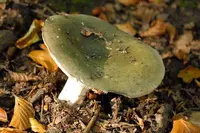
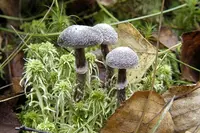
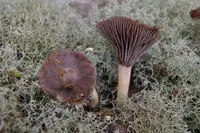
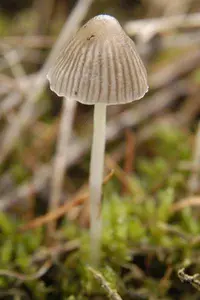
Grey waxcap, Cuphophyllus lacmus, is a small, grassland mushroom rather than a typical leafy houseplant. It forms smooth, grey to lilac caps with widely spaced, waxy gills and a slender, pale stem.

This species is usually found in unimproved, low-nutrient grasslands, lawns, and old pastures, especially in cooler, temperate regions of Europe and similar climates. It is considered challenging to cultivate because it depends on undisturbed, low-fertility soils and a stable grassland community.

For those who wish to care for Grey Waxcap in managed spaces, focus on maintaining short grass, low nutrients, and consistent moisture without waterlogging.

Main Plant Requirements

Care Difficulty

Hard Care

Light Preference

Partial Shade

Water Requirements

Regular Water

Temperature Preference

Cool Climate

Hardiness Zone

Unknown

Soil Texture

Loamy, Peaty, Organic-rich

Soil pH

Strongly acidic (4.5–5.5), Acidic (5.5–6.5)

Soil Drainage

Moist but well-drained

Fertilization

Minimal (feed rarely)

Get Personalized Care Plan

Scan your plant to receive care tips personalized for your specific plant

Available on iOS and Android

How to Care for the Grey Waxcap

This grassland fungus favors cool, moist sites with gentle, indirect light rather than strong sun.

  • Provide 2–4 hours of soft morning sun with bright, open shade or dappled light the rest of the day in short turf or mossy grass.
  • Tolerates light, shifting shade but declines in deep shade under dense shrubs or trees where grass growth becomes sparse.
  • Avoid strong afternoon sun that dries soil quickly; prolonged exposure can overheat the thin caps of Grey Waxcap and shorten fruiting duration.

This species depends on consistently moist yet free-draining grassland soils rather than frequent direct watering.

  • Aim for soil that feels lightly damp at 2–3 cm depth; if the surface is cracked and powdery, recent fruiting bodies may stall or dry out.
  • In typical lawns, rely mainly on natural rainfall, adding irrigation only during extended dry spells when grass loses springiness and footprints linger.
  • Avoid waterlogged conditions or standing puddles around Cuphophyllus lacmus, which encourage root-zone suffocation and can sharply reduce future fruiting.

This waxcap fruits best in cool to mild conditions rather than summer heat.

  • Optimal fruiting usually occurs around 45–60°F (7–16°C), often in autumn when nights are cool and days are mild.
  • Tolerates brief dips near 32°F (0°C), but hard, prolonged frost below 28°F (-2°C) can damage existing fruiting bodies.
  • Sustained heat above 75°F (24°C) with dry soil suppresses mushrooms; cooler, moist late-season weather typically restores growth if habitat remains intact.

This fungus prefers consistently moist, cool air rather than very dry conditions.

  • Aim for 70–90% humidity in sheltered outdoor microhabitats or shaded, damp garden corners.
  • Dry, windy air causes caps to dry, crack, and fade quickly, reducing the fruiting period.
  • Increase local humidity by using dense groundcover vegetation, nearby mulch, and windbreaks that slow air movement without blocking all light.

This grassland fungus needs moist, undisturbed, low-nutrient soil rather than rich, heavily amended ground.

  • Use a fine-textured, firm, grassland-style soil with moderate clay and silt, not loose, chunky potting mixes.
  • Ensure very gentle drainage: soil should stay moist and never waterlogged, with no standing water after rain.
  • Keep pH slightly acidic to neutral, around 5.5–7.0, and avoid heavy liming that pushes pH much higher.
  • Avoid adding large amounts of fertilizer or manure, as high nutrients suppress Cuphophyllus lacmus and its associated grassland community.

This species is not well suited to container cultivation, as it relies on complex, stable soil-grass ecosystems that are difficult to reproduce in pots.

Cuphophyllus lacmus is a wild, mycorrhizal waxcap that usually performs best without added fertilizer in natural or semi-natural grassland.

Pruning is not a standard practice for Cuphophyllus lacmus, as the fungus fruits briefly and then decomposes naturally.

Transplanting this waxcap is rarely successful because it depends on specific soil fungi and grassland conditions.

  • Avoid attempting to lift and move clumps, as disturbing the soil community usually stops fruiting.
  • Focus on conserving existing habitat instead of transplanting, maintaining low-nutrient, unimproved grassland.
  • If disturbance is unavoidable, move intact turf sections in cool, moist weather and water lightly afterward.
  • Keep soil structure intact during any move to reduce stress on the underground fungal network.

Cuphophyllus lacmus is not typically propagated in cultivation because it relies on complex soil and microbial relationships.

This waxcap is cold hardy in its native range and needs no special winter care in the ground.

Care Tips

Habitat micro-mapping

When surveying a site, map exactly where fruiting bodies appear and note moss cover, grass height, and shade levels so you can maintain those micro-conditions rather than altering the entire area uniformly.

Low-intensity turf management

Use a sharp scythe or rotary mower set high and cut once or twice a year after fruiting, removing clippings to keep the sward open and nutrient-poor, which supports stable Grey Waxcap populations.

Avoid soil enrichment

Exclude compost heaps, livestock feeding areas, and fertilizer spread near waxcap patches to prevent nutrient build-up, which suppresses waxcap mycelium and gradually eliminates fruiting.

Controlled trampling protection

During the main fruiting season, mark and temporarily rope off known colonies to limit foot traffic and machinery compaction that can crush fruiting bodies and damage the underlying mycelium.

Long-term site monitoring

Photograph and record the date, number, and distribution of mushrooms each year so you can track trends in growing Grey Waxcap and quickly react to declines by adjusting mowing timing or reducing disturbance.

Common Pests and Diseases

Mycophagous springtails

These insects feed on fungal fruiting bodies and can scar or deform the caps, especially in damp, undisturbed grassland where the fungus grows.

Solution

Lift and discard heavily damaged fruiting bodies to reduce local feeding pressure, avoid piling grass clippings that shelter large populations, and, if cultivating in a controlled setting, reduce excess surface moisture and improve drainage so that conditions do not favor explosive springtail build‑up.

Slugs and snails

These pests graze on young and mature mushroom caps, leaving irregular holes, slime trails, and sometimes consuming entire fruiting bodies overnight.

Solution

Hand‑pick slugs and snails during damp evenings, reduce nearby hiding places such as boards, stones, and dense thatch, and, in managed plots, use physical barriers like copper tape or coarse grit rings instead of chemical baits to limit damage when caring for Grey Waxcap.

Fungal parasitism (Hypomyces spp.)

This disease appears as a white, yellow, or orange mold that covers or distorts the waxcap fruiting bodies, eventually preventing normal spore production.

Solution

Remove and dispose of infected fruiting bodies promptly to reduce spore spread, avoid over‑enriching the turf with nitrogen which can disturb the waxcap community balance, and maintain good grassland structure through light, infrequent mowing to support a resilient fungal habitat.

Mower and trampling injury

Symptoms include sliced, bruised, or crushed fruiting bodies, which quickly decay and may attract secondary fungi and invertebrates that further disrupt the waxcap colony.

Solution

Flag or mark known waxcap patches and raise mower height or avoid mowing during peak fruiting, and in gardens or lawns, redirect regular foot traffic away from these areas to allow intact development and natural spore release.

Interesting Facts

European waxcap grassland

This species is a characteristic member of semi-natural waxcap grasslands in western and northern Europe, typically found in old, unimproved pastures and lawns with low nutrient input and long continuity of grassland management.

Distinctive grey coloration

Its caps range from bluish grey to slate grey and often become paler or slightly brownish with age, helping distinguish it from more brightly colored waxcaps in the same habitat when identifying mushrooms in the field.

Indicator of low nutrients

Cuphophyllus lacmus tends to occur where soils are low in available nitrogen and phosphorus, so its presence is often used by mycologists as an indicator of nutrient-poor, conservation-worthy grasslands.

Botan icon

Did you know?

Molecular and ecological studies suggest that many waxcaps, including Cuphophyllus lacmus, may form subtle, poorly understood associations with plant roots or mosses rather than behaving as classic decomposers, which challenges older assumptions about their basic ecology.

FAQs about Grey Waxcap

This mushroom is generally regarded as inedible or at best of very poor culinary value. Identification of waxcaps is difficult, and confusion with less safe species is possible. It is better treated as a conservation interest, not food.

Grow Healthy Plants with Botan Care

Keep your plants happy and healthy with plant identification, disease detection, and easy care guidance.

Botan plant care app — identify plants on mobile

Explore More Plants