Nitrous Bonnet Care (Mycena leptocephala)

Nitrous Bonnet

About Nitrous Bonnet

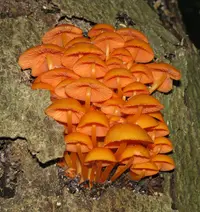
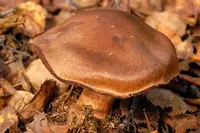
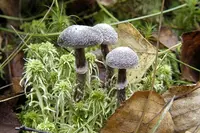
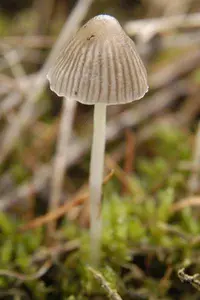
Mycena leptocephala, commonly called nitrous bonnet, is a small saprophytic fungus rather than a true garden plant. It produces delicate, pale gray to brown caps with slender stems, usually in clusters on decaying wood or rich leaf litter.

This species occurs mainly in temperate woodlands across Europe and North America, often appearing in cool, moist seasons. It is not typically grown indoors, and attempts to care for Nitrous Bonnet at home are challenging because it depends on complex woodland decay processes.

In nature, it prefers shaded sites, consistent moisture, and organic-rich substrates, contributing to nutrient recycling in forest ecosystems.

Main Plant Requirements

Care Difficulty

Hard Care

Light Preference

Shade

Water Requirements

Keep Soil Moist

Temperature Preference

Cool Climate

Hardiness Zone

Unknown

Soil Texture

Loamy, Silty, Organic-rich

Soil pH

Strongly acidic (4.5–5.5), Acidic (5.5–6.5)

Soil Drainage

Moist but well-drained

Fertilization

Minimal (feed rarely)

Get Personalized Care Plan

Scan your plant to receive care tips personalized for your specific plant

Available on iOS and Android

How to Care for the Nitrous Bonnet

This small woodland fungus prefers low, filtered light similar to a shaded forest floor.

  • Place Mycena leptocephala where it receives deep shade or very soft dappled light for most of the day, avoiding more than 1–2 hours of weak morning sun.
  • Protect Nitrous Bonnet from direct midday or afternoon sun, which can dry the substrate quickly and damage delicate fruiting bodies.
  • In summer, provide heavier shade and higher humidity; in cooler seasons, slightly brighter but still indirect light supports reliable fruiting.

This fungus relies on consistently moist, but not waterlogged, substrate to fruit well.

  • Maintain evenly moist leaf litter or wood-based substrate, allowing only the top 0.5–1 cm to dry slightly before misting or gently rewetting.
  • Increase watering frequency during warm, dry weather, using fine misting to avoid washing away delicate Mycena leptocephala caps and stems.
  • Reduce moisture input in cool seasons to prevent standing water, fungal rot, or sour odors, which signal the substrate is staying too wet for healthy growth.

This species is adapted to cool, mild woodland conditions rather than strong heat or hard frost.

  • Aim for 50–65°F (10–18°C) as the primary fruiting range, with short periods down to 41°F (5°C) generally tolerated if the substrate does not freeze solid.
  • Avoid temperatures above 75°F (24°C), as prolonged heat combined with low humidity causes caps to shrivel and substrate to dry too quickly.
  • Protect from hard frost below 32°F (0°C) and from hot, exposed sites; stable, shaded microclimates support more reliable seasonal fruiting.

This small woodland fungus needs consistently humid air to fruit well in cultivation.

  • Aim for 70–90% humidity, similar to a damp forest floor microclimate for Nitrous Bonnet.
  • Dry air causes caps to shrivel, margins to crack, and fruiting bodies to abort prematurely.
  • Increase humidity with a closed, ventilated terrarium or covered tray system, avoiding direct mist on caps.

This species grows best in a loose, organic substrate that mimics decomposing forest litter.

  • Use a fine, well-aerated mix of shredded hardwood chips, leaf mold, and a small amount of composted bark.
  • Ensure the substrate drains freely yet stays evenly moist; excess free water should drain or evaporate within a few hours.
  • Keep pH slightly acidic to neutral (pH 5.5–7.0), which matches typical woodland leaf litter where Mycena leptocephala occurs.
  • Avoid dense garden soil, manure-heavy mixes, or peat-only substrates, which compact, hold water unevenly, and reduce oxygen around the mycelium.

This species is suitable for shallow container culture when the container environment mimics a cool, damp forest floor.

  • Choose a wide, shallow tray so the substrate layer stays thin, which improves gas exchange around the mycelium.
  • Use a rigid plastic or glazed ceramic container that slows evaporation, then adjust ventilation to prevent stagnant, saturated air.
  • Elevate the container on spacers so underside air flow helps excess moisture escape without fully drying the substrate.

This small woodland fungus does not need artificial feeding when grown in a natural, humus‑rich substrate.

Mycena leptocephala does not require structured pruning, only minimal hygiene maintenance in cultivation.

  • Remove decayed or moldy fruiting bodies with clean gloves or tweezers to limit unwanted fungal competition.
  • Cut off obviously diseased tissue and discard it away from the growing area to reduce pathogen load.
  • Avoid disturbing the underlying mycelium network; do not rake, dig, or slice through the substrate unnecessarily.

In cultivation this species is usually managed by renewing its substrate rather than classic indoor repotting.

  • Transplant or refresh trays when fruiting declines, growth becomes sparse, or contamination appears in the substrate.
  • Carry out any move in cool, stable conditions, mimicking its natural season of mild temperatures and higher moisture.
  • Lift colonized substrate gently, keeping mycelium‑rich chunks intact to limit root‑like strand damage and stress.
  • Place into fresh, sterile, humus‑rich medium and water lightly so the substrate stays evenly moist but not waterlogged.

Propagation of Mycena leptocephala is specialized and usually handled by experienced fungal growers, not casual plant owners.

Outdoors, this woodland fungus is naturally cold hardy in its native range and usually needs no targeted winter care.

Care Tips

Use Decaying Wood

For reliable fruiting, place the culture on well-soaked, partially decomposed hardwood chips or small branches, as this mimics the natural habitat and maintains more stable moisture and nutrients than plain soil.

Control Air Exchange

In closed tubs or boxes, drill small ventilation holes covered with fine filter material so fresh air can enter without letting in fungus gnats or mold spores, which supports steady mycelium growth and cleaner fruiting bodies.

Thin Competing Fungi

If other mushrooms or heavy molds appear, carefully remove them and the surrounding substrate with a clean spoon, then top up the gap with fresh, pasteurized wood-based substrate to keep the colony dominant and productive.

Cool Night Cycling

To trigger more consistent mushrooms, give the container a subtle temperature drop at night (about 5–10°F lower than daytime) by moving it to a cooler room, which imitates natural forest conditions and can improve cap formation when growing Nitrous Bonnet.

Gentle Harvest Technique

When harvesting, twist and lift each mushroom gently at the base rather than cutting, then lightly tamp the disturbed substrate so the mycelium mat knits back together and can produce further flushes.

Common Pests and Diseases

Fungus gnat larvae

This pest commonly develops in damp substrates where fruiting bodies emerge, and the larvae tunnel through mycelium and young pins. Symptoms include reduced or distorted mushroom primordia and visible small flies around trays or beds.

Solution

Allow the surface substrate to dry slightly between misting, improve air movement, and use fine mesh over vents to reduce adult entry. Yellow sticky traps capture adults, and a biological control such as Bacillus thuringiensis israelensis (Bti) in irrigation water targets larvae without harming the mycelium when used according to Nitrous Bonnet care instructions.

Mite infestations

These insects, often saprophagous mites, feed on mycelium, spores, and developing caps in culture or propagation setups. Symptoms include pitted or malformed caps and visible tiny moving specks on casing or mycelium.

Solution

Quarantine affected culture boxes, discard heavily infested substrates, and clean surrounding surfaces thoroughly. Reduce excess humidity, seal entry gaps, and, if needed, introduce predatory mites suited to mushroom production while avoiding broad-spectrum chemicals that harm the fungal culture.

Trichoderma green mold

This disease is caused by aggressive Trichoderma species that colonize the substrate or casing faster than the target fungus. Symptoms include bright to dark green patches on the substrate surface and stunted or absent fruiting of the target mushrooms.

Solution

Immediately remove and discard contaminated blocks or trays to prevent spore spread, and clean containers and tools with a 10% bleach solution. For future cycles, pasteurize or sterilize substrate thoroughly, maintain good air exchange, and avoid overwatering that favors Trichoderma over Mycena leptocephala.

Bacterial blotch

This disease, often due to Pseudomonas species, develops under conditions of persistent surface moisture and poor airflow. Symptoms include slimy, water-soaked spots on caps and discoloration of delicate tissues.

Solution

Reduce overhead misting, avoid water sitting on caps, and increase fresh air exchange to dry surfaces quickly. Remove and discard affected fruiting bodies, then sanitize growing areas and adjust humidity control to keep surfaces moist but not wet.

Competitive saprophytic molds

These fungi, such as Penicillium and Aspergillus species, colonize poorly prepared or contaminated substrates and outcompete the desired mycelium. Symptoms include blue, green, or black fuzzy colonies on substrate and poor or patchy colonization by Mycena leptocephala.

Solution

Discard heavily contaminated substrates and clean containers, racks, and tools with disinfectant. Improve substrate sterilization or pasteurization, use clean spawning tools, and keep the growing area dust free and well ventilated to limit mold spore buildup.

Interesting Facts

Distinct nitrous odor

When crushed or dried, this fungus releases a sharp smell often described as resembling nitrous gas or bleach, which is one of the key field characters used by mycologists to separate it from similar grey Mycena species.

Weakly toxic compounds

The fruitbodies contain muscarine, a neurotoxic alkaloid also found in some other small mushrooms, so this species is regarded as inedible and unsuitable for foraging despite its delicate appearance.

Saprotroph on leaf litter

This species grows on dead leaves, twigs, and other forest floor debris, where its fine mycelium helps decompose organic matter and recycle nutrients back into woodland soils.

Botan icon

Did you know?

Unlike some well-known glowing Mycena species, this fungus is not bioluminescent, which helps mycologists quickly rule it out when surveying forests at night for naturally light-emitting mushrooms.

FAQs about Nitrous Bonnet

This fungus develops from microscopic spores rather than true seeds. In cultivation, it is established by introducing spawn or colonized substrate into moist, woody debris or leaf litter, then keeping conditions cool and evenly damp for reliable development.

Grow Healthy Plants with Botan Care

Keep your plants happy and healthy with plant identification, disease detection, and easy care guidance.

Botan plant care app — identify plants on mobile

Explore More Plants