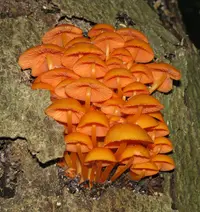
Trainwrecker Care (Neolentinus lepideus)

Also known as: scaly sawgill, scaly Lentinus
Trainwrecker

About Trainwrecker

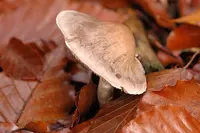
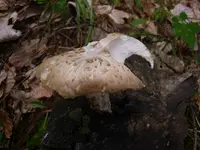
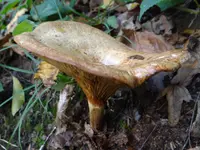
Trainwrecker, Neolentinus lepideus, is a wood-decaying fungus rather than a leafy plant. It typically forms thick, whitish to tan caps with dark, scaly patterns and tough stems.

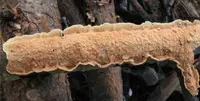
In nature it often appears on old railway ties, conifer stumps, and other resin-rich softwoods in temperate regions, especially where treated timber is used. Its strong wood-rotting ability and need for specific woody substrates make it more challenging to cultivate than common edible mushrooms.

Those who want to learn how to care for Trainwrecker should understand its preference for dryish, well-aerated wood and stable, cool to mild conditions, rather than typical potting soil or high humidity setups.

Main Plant Requirements

Care Difficulty

Moderate Care

Light Preference

Partial Shade

Water Requirements

Keep Soil Moist

Temperature Preference

Cool Climate

Hardiness Zone

Unknown

Soil Texture

Sandy, Rocky, Organic-rich

Soil pH

Acidic (5.5–6.5)

Soil Drainage

Moist but well-drained

Fertilization

Minimal (feed rarely)

Get Personalized Care Plan

Scan your plant to receive care tips personalized for your specific plant

Available on iOS and Android

How to Care for the Trainwrecker

This wood-decaying fungus prefers bright, indirect woodland-style light rather than intense direct sun.

  • Provide 2–4 hours of gentle morning sun with dappled or filtered light for the rest of the day when fruiting outdoors, since strong midday sun dries the substrate quickly.
  • Allow partial shade, especially under conifers or along logs, but avoid deep shade where caps become small, pale, and poorly formed due to low energy intake.
  • Protect Trainwrecker from harsh afternoon sun and hot, reflective sites, which can crack caps and desiccate the supporting wood, especially in late spring and summer.

This fungus relies on consistently moist but not waterlogged wood or woody substrate rather than direct root watering.

  • Maintain substrate moisture so the surface feels slightly damp but not soggy; allow the top 1–2 cm of surrounding soil or mulch to dry lightly before rewetting around the log or ties.
  • During warm, dry periods, mist or gently hose the log once daily, watching for shriveling caps or curled margins as signs of insufficient moisture in Neolentinus lepideus.
  • Reduce supplemental watering in cool, wet seasons; if caps look water-soaked, slimy, or the wood smells sour, improve drainage and reduce frequency to avoid rot.

This species fruits best in cool to mild conditions with moderate temperature swings between day and night.

  • Aim for an active growth and fruiting range of 50–70°F (10–21°C), where mycelium activity and cap formation stay most stable on coniferous wood.
  • Tolerate brief drops to about 32°F (0°C), but expect slowed or paused fruiting; repeated hard frosts can damage exposed caps and delay regrowth until conditions warm.
  • At higher temperatures around 75–80°F (24–27°C), provide extra shade and moisture, since hot, dry air can halt fruiting and cause caps to crack or toughen prematurely.

This wood-decaying fungus grows best in moderately moist air but is not highly humidity sensitive.

  • Target 50–70% humidity to support steady fruiting and reduce drying of caps and stems.
  • It tolerates brief drier periods, but prolonged air below 40% can crack caps and cause tough, leathery texture.
  • Increase local humidity by misting the fruiting area lightly, using a humidity tent, or placing open water trays nearby without soaking the substrate.

For cultivation, Neolentinus lepideus prefers a loose, highly aerated, woody substrate rather than traditional garden soil.

  • Use a mix based on sterilized sawdust, chipped softwood, and a small portion of composted organic matter to mimic its natural railway-tie habitat.
  • Ensure very sharp drainage; excess water should drain within minutes to keep the substrate moist but never waterlogged.
  • Aim for slightly acidic to neutral conditions (pH 5.5–7.0), adjusting with a small amount of ground limestone if the mix is too acidic.
  • Improve aeration by adding coarse wood chips or perlite, avoiding dense peat-heavy or clay-like mixes that compact around the mycelium.

This fungus can be grown in containers filled with woody substrate, mainly for controlled cultivation rather than display.

  • Choose deep, sturdy tubs or buckets that can hold a substantial block of colonized wood-based substrate without flexing or tipping.
  • Drill multiple side and bottom holes to allow both aeration and rapid drainage, then elevate the container so runoff never pools underneath.
  • Use opaque or thick-walled containers to buffer temperature swings and reduce light on the substrate, which helps stabilize moisture distribution.

This fungus naturally decomposes wood and usually needs no added fertilizer when grown on suitable logs or timber.

Neolentinus lepideus needs no true pruning, but fruiting bodies can be tidied for hygiene and spore control.

  • Remove old, decayed, or insect-damaged mushrooms with a clean, sharp knife at the base.
  • Cut crowded or overlapping caps to improve air movement and reduce mold on the substrate surface.
  • Collect mature mushrooms before they collapse to limit unwanted spore spread in enclosed spaces.

This species is typically managed by renewing or moving its woody substrate rather than classic repotting.

  • Watch for exhausted, crumbly, or fully colonized wood that no longer produces fresh mushrooms as a sign to replace logs.
  • Plan major moves in cool, moist weather to limit drying of the mycelium inside the wood.
  • Shift colonized logs gently to a new site with similar shade and moisture, avoiding impact that can crack the wood.
  • After moving, water the surrounding soil or staging area lightly to reduce shock and keep humidity stable.

Propagation of Neolentinus lepideus is usually done by mycelium on sterile substrate rather than by traditional plant methods.

  • Use spore prints or, more reliably, tissue culture transferred onto sterile grain or sawdust spawn.
  • Start in late spring or early summer when temperatures are mild and contamination risk is lower.
  • Keep inoculated substrate at 60–70°F with high humidity and good but filtered air exchange for steady colonization.
  • Once fully white and firm, introduce the spawn to clean softwood logs or prepared timber for long-term fruiting.

Outdoor colonies on wood are generally cold hardy in temperate climates and need little specific winter care.

  • In very cold regions, situate colonized logs in partial shade where freeze–thaw swings are reduced.
  • Apply a loose 3–5 cm layer of leaf litter around the base of logs to moderate soil temperature and moisture.
  • For container setups or indoor culture, maintain near-freezing to cool conditions without letting the substrate fully dry.

Care Tips

Use Rotting Ties

Secure cut or untreated conifer wood pieces together with biodegradable twine so the substrate stays stable and moist while the mycelium knits the blocks into a single colonized mass.

Stacked Log Method

Arrange short, debarked conifer logs in a loose vertical stack with small air gaps so the fungus can colonize in 3D while still having enough airflow to prevent anaerobic pockets that slow growth.

Controlled Hydration Dunks

Periodically submerge smaller wood blocks for 4–12 hours in clean, cool water, then drain thoroughly to rehydrate the substrate and trigger more even flushes without leaving the wood constantly waterlogged.

Targeted Frass Addition

Mix a modest amount of clean sawdust or fine wood shavings of the same conifer species into crevices between larger wood pieces to provide extra surface area and fine fuel for faster mycelial bridging.

Insect Exclusion Barriers

Cover outdoor fruiting setups with fine insect mesh or a ventilated tent to reduce beetle and fly damage to developing caps, which is one of the most effective strategies when growing Trainwrecker in exposed conditions.

Common Pests and Diseases

Green mold

This disease commonly appears as fast-spreading green patches on the mycelium or substrate, often outcompeting the mushroom culture. Symptoms include stalled growth, off-odors, and powdery or velvety green surfaces on the casing or wood blocks.

Solution

Remove and discard heavily contaminated blocks or trays, and avoid opening them indoors. For minor early spots, cut out affected substrate with a clean tool, reduce excess moisture, increase fresh air exchange, and improve hygiene by sterilizing tools, using clean gloves, and working in a low-draft, low-dust area.

Bacterial blotch

This disease causes yellow to brown, greasy-looking spots on caps and stems, often associated with standing water or high humidity and poor airflow. Symptoms include soft, water-soaked areas that can turn darker and emit an unpleasant odor.

Solution

Reduce surface moisture by lowering humidity slightly, improving air circulation, and avoiding water sitting on caps. Remove and discard affected fruiting bodies, water the substrate rather than the mushrooms, and disinfect tools and surfaces between harvests to limit spread.

Sciarid flies

This pest consists of small dark fungus gnats whose larvae tunnel through the substrate and developing mushrooms, reducing yield and introducing pathogens. Symptoms include tiny flies around the grow area, damaged pins, and brown channels in stems or substrate.

Solution

Use fine mesh screens and sticky traps to reduce adult numbers, and keep the grow area clean and dry between flushes. Allow the surface to dry slightly between mistings, remove heavily infested blocks, and if needed apply a biological control such as Bacillus thuringiensis israelensis (Bti) in line with label directions.

Mite infestation

These insects are tiny arthropods that feed on mycelium and developing mushrooms, sometimes visible as fine moving dust on substrate or caps. Symptoms include slow, patchy colonization, misshapen mushrooms, and a rough or pitted surface where mites have fed.

Solution

Discard heavily infested substrates and thoroughly clean the grow area, including racks and tools. Lower excess humidity, avoid storing unsterilized organic material nearby, and if necessary introduce predatory mites sourced for mushroom production, following supplier instructions.

Competing wood-decay fungi

This disease complex involves other wood-rotting fungi colonizing the same timber, leading to patchy fruiting, discolored mycelium, or foreign fruiting bodies on ties, sleepers, or logs. Symptoms include areas of mycelium that change color, lose vigor, or produce mushrooms with different shape or color than expected.

Solution

Physically remove and discard wood pieces heavily colonized by other fungi and avoid using weathered or contaminated timber as substrate. For cultivated setups, use fresh, properly pasteurized or sterilized wood, maintain good airflow and moderate humidity, and promptly remove any off-type mushrooms before they mature and spread spores.

Interesting Facts

Creosote-tolerant wood degrader

This fungus frequently colonizes railroad ties and utility poles because it tolerates and slowly degrades creosote-treated conifer wood that is hostile to many other decay fungi.

Distinctive scaly cap

Its fruiting bodies show a pale cap covered with coarse, brown, uplifted scales and serrated gill edges, a combination of features that makes it relatively easy to distinguish from many similar wood-rotting mushrooms.

Brown-rot specialist

It causes brown rot in softwoods, breaking down cellulose and hemicellulose while leaving behind a brown, crumbly lignin-rich matrix, which plays a role in nutrient recycling in conifer-based habitats.

Botan icon

Did you know?

Genetic and morphological studies have shown that this species, long treated as a gilled member of the Polyporaceae, actually belongs among the so-called polyporoid fungi, illustrating how DNA data reshaped its placement in the fungal tree of life.

FAQs about Trainwrecker

This fungus is technically edible but considered poor quality. Flesh is tough, often bitter, and can absorb contaminants from treated wood or rail ties. Foraging guides usually recommend avoiding consumption and focusing on observation rather than eating.

Grow Healthy Plants with Botan Care

Keep your plants happy and healthy with plant identification, disease detection, and easy care guidance.

Botan plant care app — identify plants on mobile

Explore More Plants