Cortinarius anserinus Care

Cortinarius anserinus

About Cortinarius anserinus

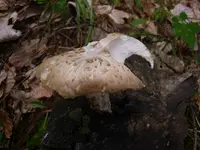
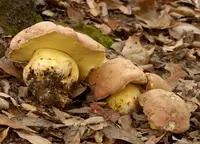
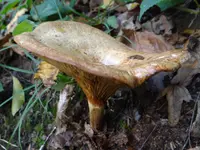
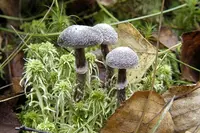
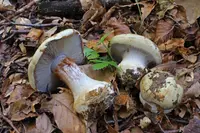
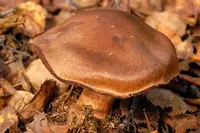
Cortinarius anserinus is not a green plant but a woodland mushroom species in the large genus Cortinarius. It forms small to medium fruiting bodies with brownish caps and a cobweb-like veil typical for the group.

This fungus occurs mainly in temperate forests, where it associates with tree roots in a mycorrhizal relationship, helping trees absorb nutrients. It can be difficult to identify reliably in the field due to subtle features shared with related species.

Because of its specialized habitat needs and complex life cycle, it is not suitable for casual home cultivation. Anyone wishing to care for Cortinarius anserinus must understand that it depends on living trees and natural soil ecosystems rather than typical indoor or garden conditions.

Main Plant Requirements

Care Difficulty

Moderate Care

Light Preference

Partial Shade

Water Requirements

Moderate Water

Temperature Preference

Cool Climate

Hardiness Zone

Unknown

Soil Texture

Loamy, Sandy, Organic-rich

Soil pH

Acidic (5.5–6.5)

Soil Drainage

Moist but well-drained

Fertilization

Minimal (feed rarely)

Get Personalized Care Plan

Scan your plant to receive care tips personalized for your specific plant

Available on iOS and Android

How to Care for the Cortinarius anserinus

This woodland mushroom prefers low, filtered light similar to a shaded forest floor.

  • Provide dappled or full shade with no more than 1–2 hours of weak morning sun; avoid direct midday and afternoon sun to prevent drying of the substrate and host tree roots.
  • Site under deciduous trees so fruiting bodies receive indirect light while the mycelium develops in cool, shaded soil.
  • In summer, increase shade using leaf litter or ground vegetation; in late autumn, brief brighter light is acceptable as long as soil stays cool and moist for Cortinarius anserinus.

This mycorrhizal fungus depends on consistently moist, not saturated, soil around its host tree roots.

  • Aim for soil that feels evenly moist 5–10 cm deep; if the surface dries and cracks, natural rainfall or supplemental irrigation around the tree root zone is needed.
  • Use well-drained, humus-rich soil or forest duff so water moves through freely; standing water or sour, anaerobic smells indicate overwatering and suffocation of mycelium.
  • In dry summers, irrigate the host tree slowly and deeply when the upper 5–8 cm are dry; in cool, wet seasons rely mostly on rainfall and avoid compacting wet soil around Cortinarius anserinus habitat.

This species is adapted to cool, temperate conditions and fruits best during mild weather.

  • Optimal fruiting usually occurs around 50–60°F (10–16°C), often in autumn when days are cool and nights colder but soil has not yet frozen.
  • Mycelium generally tolerates down to about 32°F (0°C) in the soil, but hard frost and repeated freeze–thaw at the surface can damage developing fruiting bodies.
  • Sustained heat above 77°F (25°C) with dry soil suppresses fruiting; maintain a cool microclimate using leaf litter, shade, and stable forest-like conditions year-round.

Humidity is not a controllable or relevant factor for cultivating Cortinarius anserinus at home.

Cortinarius anserinus is a forest-dwelling ectomycorrhizal fungus that relies on specific tree roots rather than conventional potting soil.

  • Requires undisturbed forest substrate with intact host tree roots, leaf litter, and well-rotted wood instead of a prepared soil mix.
  • Thrives in loose, airy humus layers that allow gas exchange around fine tree roots and fungal mycelium, not compacted ground.
  • Fungal development depends on naturally well-drained, never waterlogged forest soil; standing water quickly disrupts mycelial growth.
  • Artificial amendments such as perlite, sand, bark chips, or compost mixes do not substitute for a living forest soil community.

This species is not suitable for container growing, as it depends on complex mycorrhizal relationships with living trees in natural soil.

This wild mycorrhizal fungus does not need fertilizer and should not be fed like a garden or container plant.

Pruning is not applicable to Cortinarius anserinus, which is a wild ectomycorrhizal mushroom rather than a pruned ornamental plant.

This species is not suited to conventional repotting, as it lives in symbiosis with tree roots in soil, not as a container specimen.

  • Avoid digging up or moving fruiting bodies; these mushrooms are just the reproductive structures of a large underground network.
  • Transplanting host trees may disrupt the fungal mycelium, so established sites are best left undisturbed.
  • For study or cultivation research, handle soil and mycelium gently and keep moisture levels stable to reduce stress.
  • Any attempt to grow Cortinarius anserinus in pots requires replicating its natural tree root partnership, which is technically demanding.

Practical home propagation is not recommended, since this fungus depends on a complex mycorrhizal relationship with host trees.

No specific winter care is required, as this forest mushroom persists mainly as underground mycelium and is naturally adapted to seasonal cold.

Care Tips

Spore-friendly bedding

When establishing a patch in the garden, top-dress the planting area with a 2–4 cm layer of loose, undecorated woodchips or leaf litter so the spores can settle and the mycelium has a protected surface to colonize.

Mycorrhizal partner selection

Introduce this species only near compatible host trees (typically conifers or birch in cooler climates) and avoid disturbing the fine roots around the base, since its mycorrhizal partnership with those roots is essential for long-term fruiting.

Minimal soil disturbance

Mark off the fruiting zone and avoid digging, raking, or compacting the soil there, because mechanical disturbance can break up the mycelial network and sharply reduce future mushroom production.

Controlled harvesting technique

Cut fruiting bodies at the base with a clean knife instead of pulling them out, and leave very small, damaged, or overmature specimens in place so they can complete spore release and sustain the population when caring for Cortinarius anserinus.

Moisture-retaining mulch

In drier regions, refresh a thin organic mulch once or twice a year rather than watering heavily, which supports the underground mycelium’s need for cool, evenly moist conditions without causing waterlogged soil.

Common Pests and Diseases

mycophagous springtails

These insects feed on fungal tissues and developing fruiting bodies in damp, organic-rich habitats. Symptoms include pitted or irregularly grazed caps, especially on young mushrooms in very moist sites.

Solution

Limit overly wet microhabitats by reducing standing water and improving drainage around fruiting areas, then gently remove heavily grazed mushrooms. If dense populations appear in cultivation trays, allow the surface to dry slightly between waterings and use fine-mesh coverings to reduce insect access while maintaining airflow.

fungus gnat larvae

This pest occurs in wet, organic substrates where larvae feed on mycelium and primordia, leading to aborted or deformed fruiting bodies. Symptoms include tunneled stems, small entrance holes, and collapse of young mushrooms.

Solution

Use well-drained, pasteurized substrate and avoid chronically saturated conditions, then introduce yellow sticky traps to reduce adult populations and cover trays or beds with fine mesh to block egg-laying. In controlled setups, a biological control such as Bacillus thuringiensis israelensis (a bacterium that targets fly larvae) can be applied to the substrate following label directions.

mycophagous mites

This pest group includes small mites that scrape and consume mycelium and gill tissue, causing roughened surfaces and fine spotting on caps. Symptoms include a dusty, moving layer on damaged areas when populations are high.

Solution

Maintain clean, debris-free cultivation areas, remove infested mushrooms, and avoid introducing unsterilized forest litter into growing setups. In enclosed systems, reduce mite numbers by lowering unnecessary organic debris, improving ventilation, and, if needed, using horticultural predatory mites sourced for mushroom production while monitoring carefully.

parasitic Hypomyces infection

This disease is caused by parasitic fungi such as Hypomyces species that overgrow mushroom surfaces with a powdery or crust-like layer, distorting caps and gills. Symptoms include discolored patches that spread and replace normal tissue, making fruiting bodies non-viable.

Solution

Promptly remove and discard parasitized mushrooms and any adjacent visibly affected substrate to reduce spore spread. Improve air movement and avoid overcrowded fruiting clusters in cultivation, and if repeatedly encountered outdoors, do not harvest from visibly contaminated patches and allow the site to rest undisturbed.

bacterial blotch

This disease develops in persistently wet conditions and causes slimy, water-soaked lesions and discoloration on caps and stems. Symptoms include greasy or sticky spots that may turn brown and soften the tissue.

Solution

Reduce surface wetness by watering the substrate instead of directly wetting caps, and allow good airflow to dry mushroom surfaces between misting events. Remove and discard visibly affected mushrooms, then sanitize tools and containers; in repeated cases, lower humidity slightly while keeping the substrate evenly but not excessively moist as part of careful Cortinarius anserinus care instructions.

Interesting Facts

Northern conifer associate

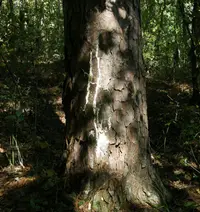
This species forms ectomycorrhizal partnerships with conifers such as spruce and pine in cool, northern forests, exchanging mineral nutrients from the soil for sugars from the tree roots.

Named for goose-like odor

The species epithet anserinus means goose-like and refers to the distinctive, somewhat goose-like smell that can be noticed in fresh fruiting bodies, which helps mycologists distinguish it from closely related species.

Gelatinous veil remnants

It belongs to a group of webcaps with a cortina, a cobweb-like partial veil, and in this species the veil remnants and cap surface can have a slightly gelatinous quality in moist conditions, a useful field character for identification.

FAQs about Cortinarius anserinus

This species is not recommended for consumption. Identification within Cortinarius is difficult, and many related species are dangerously poisonous. Treat it as inedible and avoid tasting, handling with damaged skin, or using it in any food preparation.

Grow Healthy Plants with Botan Care

Keep your plants happy and healthy with plant identification, disease detection, and easy care guidance.

Botan plant care app — identify plants on mobile

Explore More Plants