Mycena plumipes Care

Mycena plumipes

About Mycena plumipes

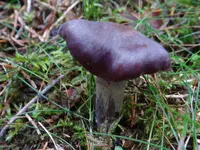
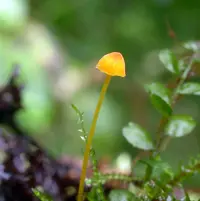
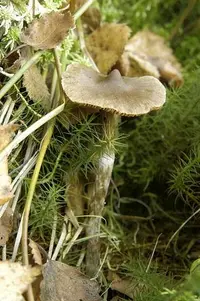
Mycena plumipes is a small saprotrophic mushroom that grows on decaying wood and forest litter. It forms delicate caps on thin, fragile stems, often in scattered groups.

This species is typically found in temperate woodlands, especially in moist, shaded habitats with plenty of fallen branches and leaf debris. It contributes to decomposition by breaking down organic matter.

Due to its specific habitat needs and ephemeral fruiting, it is not commonly cultivated, and it can be challenging for beginners to care for Mycena plumipes in controlled settings.

Main Plant Requirements

Care Difficulty

Hard Care

Light Preference

Shade

Water Requirements

Keep Soil Moist

Temperature Preference

Cool Climate

Hardiness Zone

Unknown

Soil Texture

Loamy, Peaty, Organic-rich

Soil pH

Strongly acidic (4.5–5.5), Acidic (5.5–6.5)

Soil Drainage

Moist but well-drained

Fertilization

Minimal (feed rarely)

Get Personalized Care Plan

Scan your plant to receive care tips personalized for your specific plant

Available on iOS and Android

How to Care for the Mycena plumipes

This small woodland fungus prefers low, filtered light that mimics a shaded forest floor.

  • Provide deep to partial shade, with dappled or filtered light rather than direct sun; 0–2 hours of weak morning sun is usually the upper limit.
  • Avoid strong midday or afternoon sun, which can dry the substrate and scorch delicate fruiting bodies of Mycena plumipes.
  • In summer, increase shade and moisture retention; in fall, slightly more open shade is acceptable as sun intensity drops.

Moist, airy substrate is essential for reliable fruiting.

  • Maintain consistently damp conditions in leaf litter or decaying wood, letting only the top 0.5–1 cm of surface material start to feel less moist before rewetting.
  • Use gentle, diffuse watering or misting so the substrate is evenly moist but not saturated or puddled, which encourages rot and competing molds.
  • Reduce watering in cooler months when evaporation slows; signs of underwatering include brittle, shrinking mycelium, while overwatering shows as sour odor and slimy patches.

Cool to mild temperatures support stable mycelium growth and fruiting.

  • Aim for 50–65°F (10–18°C) as an optimal range, similar to a cool, shaded woodland environment.
  • Tolerates down to about 40°F (4°C) without severe damage, but hard frost and freezes below 32°F (0°C) can harm fruiting bodies and slow mycelium activity.
  • Heat above 75°F (24°C), especially with low humidity, stresses the organism; provide extra shade and moisture and avoid hot, exposed sites in midsummer.

This wood-inhabiting fungus prefers consistently moist, high-humidity conditions around its fruiting substrate.

  • Aim for 70–90% humidity near the log or wood-based substrate to support reliable fruiting.
  • Dry air slows or stops fruiting; caps may remain small, thin, and short-lived when humidity is too low.
  • Increase humidity by tenting the container with perforated plastic, misting the air around the substrate, or placing it in a humid, sheltered outdoor spot.

This species does not grow in conventional garden soil but on decaying wood or wood-rich substrates.

  • Use a loose, fibrous mix based on well-rotted hardwood chips, sawdust, or small bark pieces rather than mineral soil.
  • Keep the substrate evenly moist yet free-draining; avoid compacted, waterlogged material that excludes air from developing mycelium.
  • A slightly acidic environment (around pH 5.5–6.5) typically forms naturally in decomposing hardwood and supports steady colonization.
  • Improve aeration by blending different chip sizes and avoiding fine, claylike particles that can seal the surface and reduce gas exchange.

This small wood-rotting species can be grown in containers if the substrate and moisture are carefully managed.

  • Use a stable, shallow tub or box that can hold layered wood pieces while allowing surface exposure for fruiting bodies.
  • Drill side ventilation holes above the substrate line to balance fresh air with moisture retention and reduce surface drying.
  • Choose opaque or dark-sided containers to limit light on the substrate sides, which helps maintain cooler, more even moisture conditions.

This small saprophytic fungus usually needs no added fertilizer when grown on suitable decaying wood or leaf litter.

This delicate woodland fungus does not benefit from active pruning and is usually left undisturbed.

In cultivation, Mycena plumipes is managed by renewing its substrate rather than by classic repotting.

  • Replace spent, compacted, or contaminated substrate when fruiting declines or mycelium growth slows noticeably.
  • Best timing is after a flush of mushrooms has finished, during mild conditions that avoid temperature extremes.
  • Transfer colonized substrate gently into fresh, pasteurized woody or leaf-based material to limit mycelium breakage.
  • Minimize handling time and maintain consistent moisture to reduce stress and help mycelium re-establish quickly.

This fungus is propagated mainly through mycelium expansion rather than typical plant-style methods.

Outdoor colonies are usually cold hardy in their native range and need no special winter care.

Care Tips

Use decaying wood

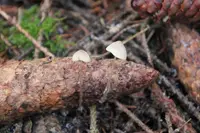
Establish the colony on thoroughly soaked, partially rotted hardwood pieces (e.g. oak, beech) rather than fresh wood, as the softened tissue is easier for the fungus to colonize and fruit from.

Maintain substrate moisture

Cover inoculated wood or leaf litter with a loose layer of damp leaf mold or pine needles to slow evaporation and keep the fungal habitat evenly moist without staying waterlogged.

Provide shaded airflow

Place culture containers or outdoor beds in deep shade with gentle air movement, which reduces bacterial growth and mold competition while preventing the delicate fruiting bodies from drying out.

Minimize handling

Observe fruiting clusters without touching or moving the substrate, since frequent disturbance damages fine mycelial threads and often reduces future flushes when growing Mycena plumipes.

Rotate fruiting sites

If fruiting declines, start a new inoculated wood or litter patch nearby every 1–2 years so that fresh substrate is always available as older material becomes fully decomposed.

Common Pests and Diseases

Fungal parasitism

This disease involves other saprotrophic or parasitic fungi colonizing the same decaying wood or substrate and overgrowing the Mycena fruiting bodies. Symptoms include distorted caps, stunted stems, or fuzzy, off-color growth on or around the mushrooms.

Solution

Remove and discard any visibly overgrown or distorted clusters along with the surrounding substrate, then refresh the culture with clean, pasteurized wood or sawdust. Maintain good air exchange, avoid overwatering, and keep tools and containers disinfected to reduce competing fungal spores, which is central to Mycena plumipes care instructions in culture setups.

Mite infestation

These pests are tiny arthropods that feed on developing mycelium and young mushroom primordia, leading to poor or aborted fruiting. Symptoms include pinhead mushrooms that stop developing, subtle webbing, and fine specks moving on the substrate surface.

Solution

Isolate affected cultures, discard heavily infested trays, and start new ones from clean spawn. Improve hygiene by filtering incoming air, avoiding contact with soil or compost, and using clean containers; in small setups, lightly drying the surface between mistings and lowering humidity for a short period can also reduce mite populations.

Bacterial blotch

This disease is caused by opportunistic bacteria thriving on very wet surfaces, leading to slimy, discolored spots on caps and stems. Symptoms include greasy-looking yellow or brown patches and soft, water-soaked tissue on the fruiting bodies.

Solution

Promptly remove and discard affected mushrooms and any obviously contaminated substrate. Reduce surface wetness by switching from direct spraying on caps to misting the air, increase fresh air exchange, and keep humidity stable rather than excessively high to discourage bacterial growth.

Green mold contamination

This disease refers mainly to Trichoderma species colonizing the substrate, appearing first as white mycelium that quickly turns bright or dull green. Symptoms include rapid overgrowth of the intended mycelium, powdery green patches, and a sharp or earthy odor from the culture.

Solution

Discard heavily contaminated substrates completely, as Trichoderma spreads quickly and can release many spores. Clean the growing area, sterilize or replace containers, and start again with fully pasteurized or sterilized substrate and clean spawn, keeping handling tools and surfaces thoroughly disinfected.

Interesting Facts

Unusual fruiting season

This species typically fruits in late autumn to early winter, often appearing after many other woodland mushrooms have disappeared, which helps reduce competition for decaying organic material.

Slender rooting stem

The fungus has a notably long, rooting stem that extends into the substrate, anchoring the small cap and helping it access decomposing leaf litter and woody debris below the surface.

Specialized woodland habitat

It is usually found in broadleaf woodlands on well-rotted fallen branches and twigs, showing a preference for very decayed wood rather than fresher logs.

FAQs about Mycena plumipes

This small woodland mushroom is generally considered inedible due to its insubstantial size and unknown nutritional or culinary value. It should not be collected for food, as closely related species can be difficult to distinguish accurately.

Grow Healthy Plants with Botan Care

Keep your plants happy and healthy with plant identification, disease detection, and easy care guidance.

Botan plant care app — identify plants on mobile

Explore More Plants