largeleaf pennywort Care (Hydrocotyle bonariensis)

Also known as: dollarweed, Largeleaf Marshpennywort
largeleaf pennywort

About largeleaf pennywort

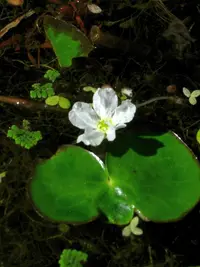
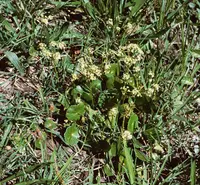
Hydrocotyle bonariensis, commonly called largeleaf pennywort, is a creeping perennial often found in coastal dunes, marsh edges, and other sandy or moist habitats. It forms low mats of rounded, scalloped leaves held on slender stems, creating a ground-hugging, almost carpet-like appearance.

In nature, it occurs mainly in warm coastal regions of the Americas and has adapted to shifting sands, salt spray, and periodic drought. Its toughness and ability to spread make it useful as a groundcover, but it can be vigorous in suitable conditions.

It generally prefers bright light, sandy or well-drained soil, and steady moisture without constant waterlogging. Understanding these natural conditions helps clarify how to care for largeleaf pennywort in gardens or containers.

Main Plant Requirements

Care Difficulty

Moderate Care

Light Preference

Full Sun

Water Requirements

Aquatic

Temperature Preference

Warm Climate

Hardiness Zone

8–11

Soil Texture

Sandy, Loamy, Organic-rich

Soil pH

Slightly acidic (6.5–7.0), Neutral (7.0)

Soil Drainage

Waterlogged tolerant

Fertilization

Minimal (feed rarely)

Get Personalized Care Plan

Scan your plant to receive care tips personalized for your specific plant

Available on iOS and Android

How to Care for the largeleaf pennywort

Hydrocotyle bonariensis prefers bright conditions but is adapted to coastal and wetland light levels rather than intense inland sun.

  • Provide 4–6 hours of direct morning sun with light shade or filtered light in the afternoon to prevent leaf scorch, especially in hot climates.
  • Plant largeleaf pennywort where it receives dappled or partial shade (around 40–60% shade cloth equivalent) if midday sun is very strong.
  • Watch foliage color and texture: pale, scorched, or crispy leaves suggest too much sun, while stretched, floppy growth indicates insufficient light.

Hydrocotyle bonariensis naturally grows in moist to wet habitats and prefers consistently damp conditions.

  • Keep soil evenly moist so the surface barely dries; in warm weather, do not allow the top 1–2 cm to dry out completely, especially in sandy or fast-draining soils.
  • In cooler months, reduce watering slightly but prevent the root zone from drying hard; plants tolerate brief shallow flooding better than extended drought.
  • Monitor leaves as indicators: yellowing, mushy foliage with a sour smell suggests overwatering or stagnation, while drooping, crisp edges signal underwatering.

This species grows best in mild, frost-free climates but can handle short periods of heat if moisture is constant.

  • Aim for 65–80°F (18–27°C) for strongest growth, especially during the active growing season in spring and summer.
  • Protect plants when temperatures drop near 32°F (0°C), as foliage is frost-sensitive and repeated freezing can damage crowns and shallow roots.
  • In hot spells above 90°F (32°C), ensure ample moisture and some afternoon shade to limit heat stress and leaf scorch.

This species prefers moderately humid air but tolerates a typical indoor range.

  • Aim for 50–70% humidity for lush, fast growth of largeleaf pennywort foliage.
  • It copes with short periods near 35–40% but leaves may curl, crisp at edges, or develop brown spots if kept too dry.
  • Increase humidity by grouping pots, placing trays of water and pebbles nearby, or running a small humidifier in very dry rooms.

Hydrocotyle bonariensis prefers consistently moist, aerated soil that does not stay waterlogged.

  • Use a rich, loamy mix with high organic matter, such as 50% peat- or coco-based potting mix, 30% compost, and 20% sand or fine grit.
  • Ensure slow but steady drainage; soil should feel damp and spongy, never soggy or sticky for more than 1 day.
  • Aim for slightly acidic to neutral pH around 6.0–7.0, which supports nutrient availability and healthy root function.
  • Avoid heavy clay, compacted soil, or pure sand; improve aeration by blending in coarse sand, perlite, or fine bark to keep roots oxygenated.

This species is well suited to container growing, especially where its spread needs control.

  • Choose a broad, shallow container so creeping stems have space to spread without creating a deep, stagnant water zone.
  • Use a heavier or wider-based pot outdoors to prevent the trailing foliage from making the container tip in wind.
  • Place the pot where excess runoff can drain away freely, as frequent watering to keep soil moist will produce more leachate than most plants.

Hydrocotyle bonariensis benefits from light, consistent feeding during active growth but does not need heavy fertilization.

  • Use a balanced, water‑soluble fertilizer (around 10‑10‑10 or 20‑20‑20) diluted to 1⁄4–1⁄2 strength for largeleaf pennywort in containers.
  • Feed every 4–6 weeks in spring and summer when growth is active.
  • Skip or greatly reduce feeding in fall and winter, especially for outdoor or semi‑dormant plants.
  • In rich garden soil, rely mainly on compost or organic mulch and limit synthetic fertilizers to avoid weak, lush growth.

Hydrocotyle bonariensis responds well to light pruning that keeps growth dense and controlled.

  • Best time for structural thinning is late winter to early spring before strong new growth starts.
  • Use clean scissors or small snips to remove dead, yellowing, or damaged leaves and spent stems at the base.
  • Trim back long, sprawling runners to control spread and maintain a neat edge or defined patch.
  • Periodic thinning of crowded stems improves airflow, reduces disease risk, and encourages fresh, compact foliage.

This species spreads more by groundcovering stems than by deep roots, so focus on timely transplanting or division rather than frequent repotting.

  • Transplant or divide in early spring or early fall, avoiding very hot, dry weather.
  • Look for signs such as roots circling the pot, water running straight through, or slowed growth in containers.
  • For transplanting, lift clumps with a trowel, keep the root ball intact, and replant at the same depth into moist, well‑drained soil.
  • Water thoroughly after moving and keep soil evenly moist for 1–2 weeks to limit transplant shock and support quick reestablishment.

Hydrocotyle bonariensis is commonly propagated by division or by rooting its creeping stems.

  • Divide established clumps in early spring, ensuring each section has several healthy leaves and a portion of root system.
  • For stem sections, press nodes of creeping runners into moist soil or shallow trays so they contact the surface.
  • Maintain consistently moist, not waterlogged, substrate and bright, indirect light to support rapid root formation.
  • Seed propagation is possible but slower; sow fresh seed on the surface of damp soil and keep warm and evenly moist until germination.

In mild climates this plant usually survives winter with minimal care, but colder regions require some attention.

  • Hydrocotyle bonariensis tolerates light frost but may suffer damage or die back in prolonged freezes below about 25°F.
  • Apply a 5–8 cm mulch layer over outdoor clumps in late fall to insulate the root zone.
  • Move container plants indoors or into a frost‑free, bright, cool space before hard freezes and water sparingly while growth is slow.

Care Tips

Edge Containment

In garden beds or ponds, install a shallow plastic or metal edging 10–15 cm deep to prevent the creeping stems from rooting beyond the intended area and becoming invasive.

Shallow Water Trays

For container culture, set pots into a shallow tray of water 1–3 cm deep during warm months to mimic its natural wet habitat while still allowing quick removal if water becomes stagnant or algae-heavy.

Regular Colony Thinning

Every 4–6 weeks, remove older, congested runners and leaves to open up the mat, which improves air movement, reduces fungal problems, and encourages fresh, vigorous growth at the edges.

Layering For Expansion

To quickly expand a patch or replace weak sections, peg or pin healthy stolons onto fresh, moist substrate until they root, then cut them free from the mother plant and replant as needed when you grow Hydrocotyle bonariensis.

Salinity Management

When grown near the coast or in slightly brackish areas, periodically flush the soil or container with fresh water to keep salt levels low, as this species tolerates but does not thrive in high salinity over time.

Common Pests and Diseases

Leaf-mining fly larvae

This pest tunnels between the upper and lower leaf surfaces, creating winding, pale trails that reduce photosynthesis and weaken the plant mat. Symptoms include translucent blotches or serpentine lines that follow the veins of the round leaves.

Solution

Remove and discard heavily mined leaves to reduce larval numbers, and avoid overfertilizing, which can encourage lush, attractive new growth for egg-laying. For persistent issues, use a targeted systemic insecticide labeled for leaf miners in aquatic or marginal plantings, or introduce beneficial parasitoid wasps where biological control is practical.

Spider mites

These insects may colonize plants grown in warm, still, and relatively dry air, especially in containers or indoor setups, causing stippled, pale foliage and fine webbing on the undersides of leaves and along runners.

Solution

Increase humidity around the plant, rinse foliage thoroughly with a strong but gentle stream of water, and remove heavily infested sections. If needed, apply insecticidal soap or a horticultural oil labeled for spider mites, repeating at 5–7 day intervals until new growth appears clean.

Fungal leaf spot

This disease appears as small, water-soaked specks that expand into brown or tan spots, often with darker margins, which can merge and cause large areas of dead tissue on the broad leaves.

Solution

Remove and discard affected leaves, avoid overhead watering, and thin or divide dense patches to improve airflow. In outdoor beds or container colonies with recurring problems, a copper-based or chlorothalonil fungicide labeled for ornamental leaf spots can be applied preventively during extended warm, wet periods as part of broader Hydrocotyle bonariensis plant care.

Powdery mildew

This disease produces white, powdery fungal growth on upper leaf surfaces and petioles, leading to distorted or yellowing foliage, especially in crowded plantings with poor air circulation.

Solution

Improve spacing and airflow, remove heavily infected leaves, and avoid excessive nitrogen that promotes soft, susceptible growth. For ongoing outbreaks, treat with a sulfur-based fungicide or potassium bicarbonate product labeled for powdery mildew, applying at the first sign of symptoms and repeating as directed.

Interesting Facts

Coastal dune specialist

This species naturally occurs along Atlantic and Gulf coasts of the Americas, where it stabilizes sandy dune soils and tolerates salt spray and shifting substrates better than many other wetland plants.

Creeping, rooting stems

Its long, creeping stolons root at the nodes, forming low, interconnected mats that help anchor sand and provide microhabitats for small invertebrates in coastal ecosystems.

Floating and terrestrial growth

In sheltered brackish or freshwater areas it can grow with leaves floating on the water surface, while in drier dune zones the same species forms more compact, terrestrial patches adapted to occasional drought.

Botan icon

Did you know?

Hydrocotyle bonariensis is considered an important pioneer species on some coastal dunes, often among the first vascular plants to colonize disturbed or newly formed sands, which then facilitates the establishment of other dune vegetation.

FAQs about largeleaf pennywort

This species spreads by creeping stems that root at the nodes, so it can form dense patches. In moist, favorable conditions it may become vigorous, requiring edging, barriers, or regular thinning to prevent it from overrunning nearby plants.

Grow Healthy Plants with Botan Care

Keep your plants happy and healthy with plant identification, disease detection, and easy care guidance.

Botan plant care app — identify plants on mobile

Explore More Plants