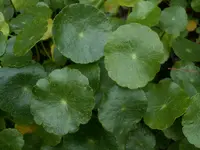
Control Surface Spread
Periodically thin out older leaves and runners with clean scissors to prevent the floating rosettes from shading the entire water surface and to maintain gas exchange at the water line.

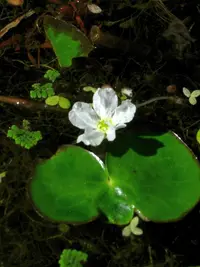
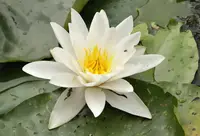
Crested floating-heart, Nymphoides hydrophylla, is a freshwater aquatic plant often grown in ponds, water gardens, and aquariums. It forms round, floating leaves that resemble small water lilies and sends up delicate white, fringed flowers above the water surface.
This species is native to parts of Asia but has become naturalized in other warm regions, where it can spread quickly under still or slow-moving water conditions. Its fast growth and ability to form dense mats make it easy to establish but require regular control, especially in outdoor ponds.
Light to moderate water movement, ample light, and nutrient-rich, muddy or sandy substrates generally support healthy growth. Understanding how to care for crested floating-heart is important to prevent it from becoming invasive in suitable climates.

Care Difficulty
Moderate Care

Light Preference
Full Sun

Water Requirements
Aquatic

Temperature Preference
Tropical / Frost Sensitive

Hardiness Zone
9–11

Soil Texture
Silty, Organic-rich

Soil pH
Acidic (5.5–6.5), Slightly acidic (6.5–7.0)

Soil Drainage
Waterlogged tolerant

Fertilization
Light (every 4–6 weeks)
Scan your plant to receive care tips personalized for your specific plant
Available on iOS and Android
This aquatic species prefers bright, calm conditions with stable light over its floating leaves.
This plant is a true aquatic species that needs consistently standing water rather than periodic watering.
This warm-water species grows best in consistently mild to warm conditions without sudden temperature swings.
This aquatic species relies on high ambient humidity and stable water to avoid leaf stress.
This plant prefers a soft, organic-rich substrate that stays waterlogged but still allows some oxygen around the roots.
This species is well suited to containers such as ponds-in-a-pot, tubs, or aquariums.
Nymphoides hydrophylla grown in ponds or containers benefits from modest, controlled feeding during the warm growing season.
Pruning Nymphoides hydrophylla focuses on removing spent growth to maintain water quality and steady flowering.
Transplanting or dividing Nymphoides hydrophylla is done mainly to control spread and refresh crowded containers or pond baskets.
Nymphoides hydrophylla is commonly propagated by division and by planting small plantlets that form along stolons or leaf bases.
Winter care for Nymphoides hydrophylla depends on climate and water depth, as this species dislikes hard freezing.

Plant Health Check
Not sure what's wrong with your plant? Check your plant's health inside the app.
The floating leaves often develop a scalloped or crested margin, which gives rise to the common name crested floating-heart and helps distinguish it from similar Nymphoides species with smoother leaf edges.
Its white, 5-petaled flowers open during the day and have delicate fringes along the petal edges, an adaptation that increases surface area and may help disperse light and attract pollinators at the water surface.
This species produces long, creeping underwater stems (stolons) that root at the nodes, allowing rapid clonal expansion and formation of dense floating mats in still or slow-moving freshwater.

In parts of the southeastern United States, crested floating-heart is considered an invasive aquatic plant; its dense surface mats can significantly reduce light penetration, alter native plant communities, and interfere with recreation and water management, leading to active monitoring and control programs.
This species spreads quickly by runners and detached leaf pieces, forming dense mats that can crowd out other aquatic plants. Regular thinning, physical barriers, and careful disposal of trimmings are essential for responsible management and Nymphoides hydrophylla plant care.
Keep your plants happy and healthy with plant identification, disease detection, and easy care guidance.