manyflower marshpennywort Care (Hydrocotyle umbellata)

Also known as: dollarweed, many-flowered marsh-pennywort, navel-wort
manyflower marshpennywort

About manyflower marshpennywort

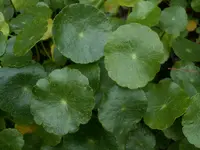
Manyflower marshpennywort (Hydrocotyle umbellata) is a creeping aquatic or semi-aquatic plant often found along pond margins, ditches, and wetlands. It forms low mats of round, umbrella-like leaves held on slender stalks. Small, pale flower clusters rise slightly above the foliage in the growing season, but the plant is usually grown for its leaves rather than its blooms. In nature it occurs in warm, humid regions of the Americas, rooting in shallow water or saturated soil. It grows quickly and can spread, which makes it easy but sometimes demanding to manage in gardens and ponds. Understanding how to care for manyflower marshpennywort starts with providing constant moisture, soft light, and nutrient-rich, silty or loamy substrate.

Main Plant Requirements

Care Difficulty

Moderate Care

Light Preference

Partial Sun

Water Requirements

Aquatic

Temperature Preference

Warm Climate

Hardiness Zone

7–11

Soil Texture

Loamy, Silty, Organic-rich

Soil pH

Slightly acidic (6.5–7.0), Neutral (7.0)

Soil Drainage

Waterlogged tolerant

Fertilization

Light (every 4–6 weeks)

Get Personalized Care Plan

Scan your plant to receive care tips personalized for your specific plant

Available on iOS and Android

How to Care for the manyflower marshpennywort

This aquatic and marginal plant prefers bright conditions but suffers in intense, drying sun.

  • Provide 4–6 hours of sun daily, with morning sun and light afternoon shade ideal along ponds, bog gardens, or shallow water edges.
  • Tolerates partial shade (2–4 hours sun) but stems may stretch and leaves enlarge when light is too low, especially in dense plantings.
  • Avoid full, unfiltered afternoon sun in hot climates; leaves of manyflower marshpennywort scorch and yellow if water levels drop or soil dries.

This species naturally grows in shallow water and saturated soils, so moisture consistency is critical.

  • Keep soil or substrate constantly wet to waterlogged; for pond margins, allow the crown at or just above water level, never letting the root zone dry out.
  • Use visual cues rather than fixed schedules: drooping, crisp leaf edges, and shrinking leaf size indicate insufficient moisture; foul smell and black, mushy stems suggest anaerobic, overwatered conditions in containers.
  • In hot summers, increase monitoring and top up water daily if needed; in cooler seasons, maintain saturation but reduce added water if rainfall already keeps the soil flooded.

This warm-temperate to subtropical plant grows best in mild, frost-free conditions.

  • Aim for 68–82°F (20–28°C) for strongest spread and leaf production, especially when combined with ample moisture and light.
  • Hydrocotyle umbellata tolerates short dips to about 40°F (4°C) if crowns stay submerged or insulated, but foliage may die back and growth slows sharply.
  • Protect from frost and hard freezes below 32°F (0°C), which can kill exposed crowns; in very hot spells above 95°F (35°C), prevent drying by keeping water levels high and providing light shade.

This species prefers consistently high humidity and reacts quickly to dry air.

  • Aim for 60–80% humidity, which mimics its marsh habitat and supports lush, continuous leaf growth.
  • Tolerates brief dips to 40–50%, but prolonged dry air causes brown leaf edges, curling, and slowed spread in manyflower marshpennywort.
  • Increase humidity by grouping plants near shallow water trays or using a room humidifier rather than frequent misting.

Hydrocotyle umbellata thrives in constantly moist, organic-rich substrates with minimal drainage.

  • Use a fine-textured mix of 60–70% peat or coco coir with compost plus 30–40% sand for structure and water retention.
  • Keep the soil wet to saturated; in bog or pond-margin setups, allow water to stand just above the soil surface.
  • Target a slightly acidic to neutral pH of 6.0–7.0, which supports nutrient availability without causing toxicity.
  • Avoid dense clay without amendment or very coarse, fast-draining mixes that dry out, since roots are adapted to low-oxygen, waterlogged conditions.

This species is well suited to container culture, especially in shallow, water-holding pots or trays.

  • Choose a wide, shallow container to allow creeping stems to spread horizontally while keeping the root zone evenly saturated.
  • Select a sturdy, non-porous pot (plastic or glazed ceramic) so water levels stay stable and do not evaporate too quickly.
  • If used outdoors, place the container inside a larger watertight basin to maintain a constant water margin around the root zone.

Hydrocotyle umbellata responds well to light, consistent feeding during its active growing season.

  • Use a balanced liquid fertilizer (for example 10-10-10) at 1/4–1/2 strength every 2–4 weeks in spring and summer.
  • In containers, a thin layer of fine compost or a low-dose slow-release aquatic fertilizer can support growth.
  • Skip feeding in winter or dormancy, especially for outdoor or low-light plants, to prevent weak, leggy growth.
  • Rinse or flush containers occasionally to avoid salt buildup that can burn sensitive aquatic roots.

Pruning Hydrocotyle umbellata keeps growth dense, prevents tangling, and maintains tidy edges in ponds or containers.

  • Trim elongated or crowded runners during active growth, ideally in spring or early summer, to maintain shape and limit spread.
  • Remove yellowing, torn, or algae-covered leaves at the base with clean scissors to reduce disease pressure.
  • Shorten stems shading other plants to encourage compact, layered foliage and healthier new growth.
  • Disinfect cutting tools before and after use to minimize transmission of fungal or bacterial problems.

This species is often grown in shallow water or very moist soil, where dividing and resetting plants is more common than traditional repotting.

  • Transplant or divide clumps in spring when growth restarts, especially if the colony is overcrowded or central leaves decline.
  • For container culture, shift to a wider pot every 1–2 years when roots circle the edge or growth slows noticeably.
  • Lift clumps gently, keep roots constantly moist, and replant at the same depth into rich, heavy, low-peat soil or aquatic substrate.
  • Reduce strong sun and water movement for several days after disturbance to limit transplant shock and allow roots to re-establish.

Hydrocotyle umbellata is most commonly propagated by division and by rooting its creeping stems.

  • In spring or early summer, lift a healthy clump and divide it into sections, each with several leaves and strong roots.
  • Replant divisions in saturated soil or shallow water, firming substrate around roots to prevent floating.
  • For stem pieces with rooted nodes, cut between nodes and set each section so roots stay submerged and leaves sit above water.
  • Seeds are less commonly used; if tried, sow on moist substrate in warmth and bright, indirect light, keeping the surface constantly damp.

In mild climates, manyflower marshpennywort is fairly tolerant of cool conditions but less tolerant of prolonged hard freezes.

  • In regions warmer than about 25°F, outdoor stands usually overwinter with minimal intervention, though foliage may thin.
  • Mulch pond margins or bog edges with 2–5 cm of leaf mold or compost to buffer root crowns from sudden temperature drops.
  • Move containers in cold-winter areas into a frost-free space with bright light and consistently moist substrate, not saturated ice.
  • Avoid cutting crowns too low before severe cold so remaining foliage can provide limited insulation and energy storage.

Care Tips

Edge Containment

Use low plastic or stone edging sunk 5–8 cm into the soil around beds or pond margins to prevent this plant from spreading aggressively into turf or neighboring plantings.

Floating Basket Use

In ponds or tubs, place the plant in perforated aquatic baskets lined with fine mesh so roots can access water while the container limits unchecked horizontal spread and makes seasonal removal easier.

Regular Runner Thinning

Every 3–4 weeks during active growth, lift and remove excess stolons (runners) beyond the desired area to maintain dense, healthy foliage and reduce competition among shoots.

Water Level Management

For semi-aquatic culture, keep the crown just above water and only the lower nodes submerged to reduce rot risk while still allowing the plant to root and spread over the water surface, which is useful when growing manyflower marshpennywort in containers.

Targeted Slug Protection

Place copper tape around container rims or use iron phosphate pellets at the bed perimeter rather than over the whole surface to protect the tender leaves from slugs and snails without over-treating the planting area.

Common Pests and Diseases

Leaf-mining fly

This pest tunnels inside the round leaves, creating winding, pale trails that reduce photosynthesis and weaken the plant mat. Damage is most obvious on older, floating leaves in still or slow-moving water.

Solution

Remove and discard mined leaves to reduce larvae, then encourage gentle water movement where possible to make conditions less favorable. For larger infestations in ponds or tubs, use a biological control such as Bacillus thuringiensis var. israelensis (Bti) or introduce compatible natural predators recommended for aquatic setups, following label directions carefully.

Aquatic aphids

These insects cluster on young stems and leaf undersides above the waterline, sucking sap and causing curling, distortion, and sticky honeydew on nearby foliage. Infestations often appear during warm, still weather and can spread quickly in dense growth.

Solution

Rinse stems and leaves above the waterline with a firm stream of water to dislodge aphids, repeating every few days. In outdoor tubs or ponds, encourage or introduce natural predators such as lady beetles, or spot-treat heavy clusters with a diluted insecticidal soap, keeping soap out of the main pond volume as much as possible.

Snail feeding damage

This pest causes irregular holes and notched edges on floating or emergent leaves, sometimes leaving only leaf veins. Symptoms include slimy trails on containers or pond edges near the plants.

Solution

Hand-pick snails at dusk or early morning and remove egg clusters from pots, liners, or hard surfaces. If damage persists, use barriers or snail traps and, in closed containers, consider low-toxicity snail baits labeled safe for aquatic or semi-aquatic use, always following dosage and safety instructions carefully.

Bacterial leaf spot

This disease produces small, water-soaked spots on leaves that turn brown and may merge into larger patches, especially in crowded, warm, stagnant conditions. Symptoms include yellowing and premature death of affected leaves, which can thin out dense mats.

Solution

Remove and discard affected leaves promptly and avoid splashing water from diseased to healthy plants. Thin or divide dense patches to improve water circulation, and in nursery or container culture disinfect tools and containers; copper-based treatments may be used cautiously in non-fish aquatic setups if labeled for ornamentals and used at minimal effective rates.

Algal overgrowth

This problem occurs when filamentous or surface algae overrun shallow water around the plant, competing for light and nutrients and smothering stems and leaves. Symptoms include yellowing, stunted growth, and leaves trapped under thick green mats.

Solution

Reduce nutrient load by limiting fertilizer, performing partial water changes, and removing organic debris from the water. Manually skim algae, provide partial shade to reduce direct sun, and in ponds consider adding more submerged oxygenating plants or appropriate algae-eating organisms to restore balance while maintaining adequate Hydrocotyle umbellata plant care conditions.

Interesting Facts

Native wetland spreader

This species naturally occurs from the southeastern United States through Central and parts of South America, where it forms dense mats along pond margins, marshes, and slow-moving waters by creeping stolons that root at the nodes.

Floating leaf strategy

Its nearly round leaves are peltate, meaning the stalk attaches near the center of the blade, which helps the leaf float or rest stably on saturated soil and shallow water surfaces.

Support for aquatic life

Dense patches provide shelter for small fish, tadpoles, and aquatic invertebrates, and the emergent leaves help reduce shoreline erosion by slowing water movement and stabilizing wet soils.

Botan icon

Did you know?

In some regions of the southeastern United States, umbrella marshpennywort is used in wetland restoration projects because its rapid stolon growth helps quickly re-vegetate disturbed shorelines and improve habitat complexity.

FAQs about manyflower marshpennywort

This species spreads by creeping stems and can form dense mats in wet soil or shallow water. In small ponds or beds, contain it with barriers, edging, or regular trimming to prevent unwanted takeover of nearby areas.

Grow Healthy Plants with Botan Care

Keep your plants happy and healthy with plant identification, disease detection, and easy care guidance.

Botan plant care app — identify plants on mobile

Explore More Plants