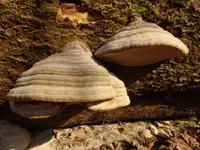
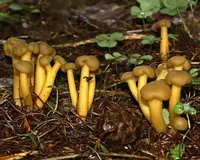
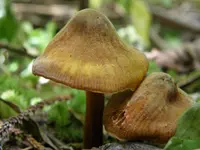
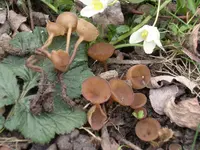
shadowed waxcap Care (Hygrocybe phaeococcinea)

shadowed waxcap

About shadowed waxcap

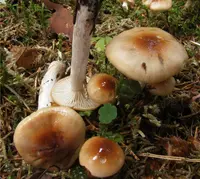
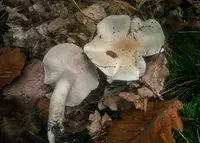
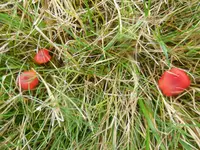
The shadowed waxcap, Hygrocybe phaeococcinea, is a small waxcap mushroom rather than a leafy plant. It produces smooth, often dark red to brown caps with slender, pale to dusky stems. Fruiting bodies tend to appear scattered or in small groups in short grass or moss.

This species is typically found in unimproved grasslands, pasture edges, and mossy, nutrient-poor sites in temperate regions. It depends on low-fertility, undisturbed soils, which makes it sensitive to heavy fertilizing and soil disturbance. Because it has specialized habitat needs, it is not an easy species to cultivate, and most information on how to care for shadowed waxcap focuses on conserving suitable grassland conditions rather than growing it indoors or in containers.

Main Plant Requirements

Care Difficulty

Hard Care

Light Preference

Partial Shade

Water Requirements

Keep Soil Moist

Temperature Preference

Cool Climate

Hardiness Zone

Unknown

Soil Texture

Loamy, Peaty, Organic-rich

Soil pH

Strongly acidic (4.5–5.5), Acidic (5.5–6.5)

Soil Drainage

Moist but well-drained

Fertilization

Minimal (feed rarely)

Get Personalized Care Plan

Scan your plant to receive care tips personalized for your specific plant

Available on iOS and Android

How to Care for the shadowed waxcap

Hygrocybe phaeococcinea prefers cool, low-intensity light conditions typical of damp, open woodland or grassland edges.

  • Provide bright but indirect light or dappled shade, with 2–4 hours of gentle morning sun and full shade during the hottest midday hours.
  • Allow partial shade to deep shade under grasses, moss, or light tree cover; this mimics natural sites where shadowed waxcap fruits best.
  • Avoid strong, direct sun for more than 4 hours, which can dry the substrate and fruiting bodies; in summer, prioritize filtered light and moisture retention.

This waxcap requires consistently moist, free-draining ground rather than a fixed watering schedule.

  • Aim for evenly moist soil, never waterlogged; in the top 2–3 cm, moisture should feel cool and damp but not sticky or muddy.
  • Increase watering during dry spells so the soil surface does not fully crust or crack, especially in late summer and fall when Hygrocybe phaeococcinea typically fruits.
  • Reduce supplemental water in cool, wet seasons; yellowing, slimy bases suggest overwatering or poor drainage, while shriveling caps and brittle gills indicate dryness.

This species develops best in cool, mild conditions typical of temperate autumn climates.

  • Optimal fruiting occurs around 50–60°F (10–16°C), with steady soil moisture and good air exchange near the ground surface.
  • Tolerates cool nights down to about 32°F (0°C), but repeated hard frost below 28°F (-2°C) can damage fruiting bodies and shorten their lifespan.
  • Struggles in heat above 75°F (24°C); prolonged temperatures over 80°F (27°C) with dry air inhibit growth, so shade and moisture conservation are important during warm spells.

This fungus requires consistently moist, humid conditions close to natural woodland or grassland microclimates rather than typical indoor air.

  • Aim for 70–90% humidity around the fruiting area, maintained by naturally damp ground and sheltered, low-wind exposure.
  • Dry air or rapid surface drying causes caps to shrivel, crack, and abort before full expansion.
  • Increase local humidity outdoors by using coarse leaf litter or moss as a loose, breathable mulch, avoiding plastic covers that trap stagnant, anaerobic moisture.

This species fruits in thin, undisturbed, organically influenced turf or mossy ground rather than conventional potting soil.

  • Use a fine-textured, humus-rich, sandy-loam turf layer over firm, low-fertility mineral soil to mimic its natural grassland habitat.
  • Ensure rapid surface drainage but steady subsoil moisture, avoiding standing water, compacted clay, or thick thatch layers.
  • Keep soil slightly acidic to neutral, around pH 5.5–7.0, avoiding liming or heavy fertilizer that favors competitive grasses and weeds.
  • Encourage aeration by maintaining a short, lightly rooted sward with minimal foot traffic, since Hygrocybe phaeococcinea relies on well-oxygenated upper soil layers.

This species is not realistically suitable for container growing because it depends on complex, stable soil and turf conditions that containers rarely provide.

Hygrocybe phaeococcinea is a wild, mycorrhiza-associated fungus that does not benefit from conventional fertilization and grows best in nutrient-poor, undisturbed soils.

Hygrocybe phaeococcinea does not require pruning, since mushrooms are seasonal fruiting bodies that naturally emerge, mature, and decay without human shaping.

This species is not suited to conventional container culture, so repotting is not relevant; it is best considered a specialist fungus of undisturbed grassland soils rather than a garden or indoor plant.

  • Avoid attempting to transplant wild clumps, since the underground fungal network extends well beyond visible mushrooms and is easily damaged.
  • If conservation or study requires relocation, move intact sod sections with minimal disturbance, keeping soil structure and moisture stable.
  • Time any necessary moves to the dormant period, after fruiting has finished and when soil is cool and evenly moist.
  • Monitor the new site for several seasons, as this fungus may not reappear every year even under suitable conditions.

Propagation of Hygrocybe phaeococcinea is technically complex and rarely attempted outside scientific or conservation projects, since it depends on specific soil conditions and microbial partners.

The shadowed waxcap is naturally cold hardy in suitable climates and generally needs no specific winter care in the ground.

  • Avoid disturbing the site in winter so the underground mycelium remains insulated by soil and plant litter.
  • Do not add rich compost or fertilizers around colonies, as nutrient enrichment can reduce habitat quality.
  • Container culture is unreliable; if attempted experimentally, keep pots in a cold but frost-free, evenly moist environment.

Care Tips

Mimic woodland floor

Establish a thin top layer of well-decayed leaf litter over the fruiting area to imitate a natural woodland or grassland floor, which helps maintain surface moisture and provides the microhabitat this species needs to fruit reliably.

Use low-nutrient site

Select or create a low-fertility patch by avoiding fertilizers and removing heavy thatch so competing turf growth is reduced and the fungus can establish its mycelium more easily.

Gentle site management

If fruiting occurs in a lawn, use a high mower setting, mow only when caps are absent or past maturity, and avoid heavy foot traffic over the patch to protect the fragile fruiting bodies and underground mycelium.

Moisture buffering mulch

Use a very thin, airy layer of pine needles or coarse, well-aged wood fines around but not directly against emerging caps to buffer short dry spells without creating waterlogging or anaerobic conditions.

Mycelium-friendly watering

When caring for shadowed waxcap, use a fine-rose watering can or a soft-spray nozzle directed slightly away from visible caps so the soil is moistened deeply while the delicate mushrooms are not physically damaged.

Common Pests and Diseases

Slime mold competition

This disease involves fast-growing slime molds colonizing the same decaying organic substrate and outcompeting the waxcap mycelium. Symptoms include patchy, slimy, often brightly colored growths on the soil or litter where fruiting bodies would normally appear.

Solution

Remove heavily colonized leaf litter or wood debris and replace with fresh, low-nutrient material similar to the original habitat. Maintain good surface drainage and avoid nutrient enrichment from manure or fertilizers, which can favor slime molds over Hygrocybe phaeococcinea.

Parasitic fungi

This disease is caused by other fungi that attack the fruiting bodies, leading to deformed, discolored, or prematurely decaying caps and stems. Symptoms include unusual surface mold, localized soft spots, or rapid collapse of mushrooms even in suitable weather.

Solution

Collect and dispose of deformed or moldy fruiting bodies promptly to reduce spore load in the area. Improve air movement at ground level by avoiding dense mulch layers and keep the site as close as possible to its natural low-nutrient, short-sward grass or moss conditions to support healthier fruiting when growing shadowed waxcap.

Fungivorous fly larvae

This pest consists of small fly larvae that tunnel into caps and stems, causing internal galleries, softening, and quick breakdown of fruiting bodies. Symptoms include tiny entry holes, spongy texture, and larvae visible inside sliced mushrooms.

Solution

Remove and discard infested mushrooms as soon as damage is noticed to limit larval development and local population buildup. Encourage natural predators such as ground beetles by avoiding broad-spectrum insecticides in the habitat and time any collection of mushrooms for spore spreading before larvae become abundant, usually early in the fruiting window.

Springtails

These insects feed on fungal tissue and spores at the substrate surface, occasionally pitting or scarring young fruiting bodies. This pest is usually minor but can reduce the quality and longevity of very small or developing mushrooms in confined setups.

Solution

Reduce excessive surface moisture by improving drainage and avoiding standing water in leaf litter or moss. In container or controlled setups, gently disturb and thin dense organic layers and, if needed, use fine mesh or fabric barriers to limit access of soil-dwelling springtails to emerging fruiting bodies.

Nutrient enrichment stress

This condition is not an infection but a physiological stress caused by fertilizer, manure, or nutrient-rich runoff that alters soil chemistry and suppresses waxcap mycelium. Symptoms include a gradual disappearance of fruiting bodies where lawn or meadow soils become greener, lusher, and dominated by coarse grasses or weeds.

Solution

Avoid any fertilizer, compost, or manure additions where Hygrocybe phaeococcinea is expected to fruit, and divert nutrient-rich runoff away from the area. Over time, restore low-nutrient conditions by stopping feeding, lightly removing enriched thatch, and managing the sward with occasional mowing and clippings removal rather than intensive lawn treatment.

Interesting Facts

Darkening cap surface

The cap of this waxcap often starts bright orange-red but tends to darken with age or when dried, sometimes developing a duller, shadowed appearance that inspired its common name shadowed waxcap.

Distinctive habitat preference

It is typically found in unimproved, nutrient-poor grasslands and pastures in temperate regions, making it an indicator of old, low-fertilizer meadows that support diverse fungi communities.

Unusual gill texture

The gills are waxy to the touch and relatively widely spaced, a hallmark of waxcap fungi, and their bright coloration contrasted with a paler stipe helps field mycologists separate this species from similar red Hygrocybe species.

FAQs about shadowed waxcap

This fungus develops slowly. From spore to a fruiting patch can take several years, depending on soil health and undisturbed grassland conditions. Once established, small caps usually appear seasonally rather than expanding rapidly each year.

Grow Healthy Plants with Botan Care

Keep your plants happy and healthy with plant identification, disease detection, and easy care guidance.

Botan plant care app — identify plants on mobile

Explore More Plants