Heimiomyces velutipes Care

Heimiomyces velutipes

About Heimiomyces velutipes

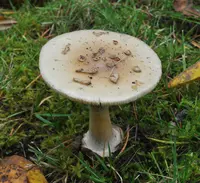
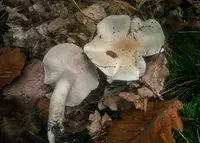
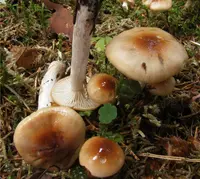
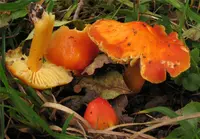
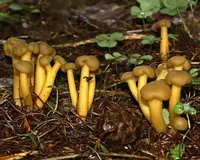
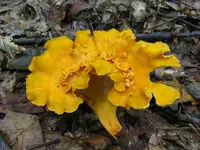
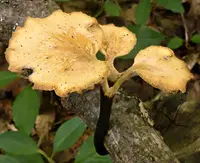
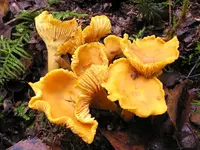
Heimiomyces velutipes is a small, wood-inhabiting fungus rather than a typical leafy houseplant. It forms dense clusters of velvety, often brightly colored caps on decaying wood or buried woody debris.

This species is usually found in forested areas, growing on fallen branches, stumps, or buried roots, where it helps break down dead wood. It can be challenging to cultivate, as it depends on specific woody substrates and stable moisture conditions. For anyone exploring how to care for Heimiomyces velutipes in a controlled setting, consistent humidity, shaded conditions, and clean, well-prepared wood-based material are usually important starting points.

Main Plant Requirements

Care Difficulty

Moderate Care

Light Preference

Partial Shade

Water Requirements

Keep Soil Moist

Temperature Preference

Warm Climate

Hardiness Zone

Unknown

Soil Texture

Organic-rich, Peaty, Loamy

Soil pH

Acidic (5.5–6.5)

Soil Drainage

Moist but well-drained

Fertilization

Minimal (feed rarely)

Get Personalized Care Plan

Scan your plant to receive care tips personalized for your specific plant

Available on iOS and Android

How to Care for the Heimiomyces velutipes

This species prefers low to moderate natural light, similar to conditions on a shaded forest floor.

  • Provide bright shade or dappled light with 1–3 hours of soft morning sun and full shade by early afternoon to prevent drying and stress.
  • Tolerates deep shade but fruiting bodies form best where indirect light allows a normal day–night rhythm without harsh midday sun.
  • Outdoors, protect from strong summer sun with leaf litter, mulch, or shade cloth; in winter, short days are acceptable as long as the site is not exposed to glare or drying winds.

Moist, never stagnant conditions are essential for healthy development of this saprotrophic fungus.

  • Maintain the substrate evenly moist so it feels damp but not soggy when pinched; avoid letting the top 2–3 cm fully dry out between checks during active growth.
  • Use loose, well‑drained organic material such as decayed wood and leaf litter so water can pass through quickly, preventing foul odor, slime, or mold from chronic saturation.
  • Reduce watering frequency once fruiting bodies of Heimiomyces velutipes collapse or temperatures drop, but do not allow the underlying wood or litter to become powder‑dry for long periods.

Stable cool to mild temperatures support reliable colonization and fruiting.

  • Optimal growth usually occurs around 50–68°F (10–20°C), with some strains producing best fruiting flushes near the cooler end of this range.
  • Mycelium can persist down to about 32°F (0°C) if the substrate is insulated, but repeated hard freezes or exposed frost can damage exposed tissue and reduce later yields.
  • Heat above 77–82°F (25–28°C) tends to slow growth, dry the substrate, and increase contamination risk, so provide shade, mulch, and good moisture retention during hot seasons.

This species prefers moderately humid air but usually tolerates typical indoor levels.

  • Aim for 50–70% humidity to support steady fruiting and reduce tissue drying.
  • Dry air causes shriveling caps, cracked margins, and slow pin development, especially near heaters or vents.
  • Increase humidity with a loose plastic tent, tray of damp perlite, or frequent fine misting while keeping surfaces from staying wet for many hours.

For cultivation, Heimiomyces velutipes performs best in a loose, organic, well-aerated substrate rather than dense garden soil.

  • Use a mix based on sterilized hardwood sawdust or fine wood chips blended with 20–30% composted organic matter for nutrition.
  • Ensure very free drainage; the substrate should feel moist but never waterlogged, with excess water draining within minutes.
  • Keep pH slightly acidic to neutral, around 5.5–7.0, avoiding lime-heavy components that push pH higher.
  • Improve aeration by incorporating coarse particles (wood chips, perlite) and avoid compacting the mix when filling containers or beds.

This fungus can be grown in containers if the substrate depth and moisture are controlled carefully.

  • Choose a deep, sturdy bucket or tub that comfortably holds the full colonized block so it does not topple as clusters form.
  • Drill multiple side and bottom holes to let excess moisture escape and to improve gas exchange around the colonized substrate.
  • Elevate the container on slats or bricks so drainage holes stay clear and the base does not sit in residual water.

This saprophytic fungus usually needs minimal feeding if grown on fresh, nutrient-rich substrate.

This fungus does not require structural pruning, but basic hygiene helps maintain healthy fruiting.

  • Remove spent or decaying fruiting bodies with clean scissors to limit mold and bacterial growth.
  • Harvest clusters cleanly at the base to encourage fresh, uniform regrowth from the substrate.
  • Discard any malformed, waterlogged, or contaminated tissue to reduce disease spread.
  • Sanitize tools and work surfaces before handling Heimiomyces velutipes to keep cultures vigorous.

Cultivated Heimiomyces velutipes is usually grown on prepared substrate blocks rather than in traditional pots.

  • Replace the substrate block when flushes weaken, contamination appears, or colonization slows noticeably.
  • Start new blocks in late winter or early spring to match cool, stable indoor temperatures.
  • Expect to renew or replace production blocks every few months for consistent yields.
  • Handle colonized substrate gently, limiting vibration and compression to reduce mycelium stress.

Commercial and hobby production of this fungus relies on controlled culture techniques rather than casual home propagation.

Outdoor winter care is rarely relevant because this species is normally produced in controlled indoor conditions.

  • Maintain cool, stable indoor temperatures, typically 50–60°F, to support fruiting without freezing stress.
  • Avoid placing grow kits near cold drafts, heaters, or fluctuating windowsills during winter.
  • Keep humidity moderately high while ensuring fresh air exchange to limit condensation and fungal pathogens.

Care Tips

Use clean spawn

Always start with fresh, disease-free spawn from a reputable supplier and discard any bags that show unusual colors, strong off-odors, or wet slimy patches to prevent contaminating the whole batch.

Control fruiting flushes

After the first harvest, give the block a short rest at slightly cooler temperatures and reduced misting, then resume regular moisture and airflow to encourage a stronger second flush instead of constant, weaker production.

Manage CO₂ levels

Provide steady fresh air exchange with a small fan on low or a vented fruiting chamber so carbon dioxide does not build up, which otherwise causes long thin stems and very small caps.

Harvest at optimal stage

Cut clusters when caps are still small and slightly curled under rather than fully open, using a clean, sharp knife at the base to reduce damage and lower the risk of bacterial rot in the block.

Sanitize growing area

Before setting up or restarting a cycle, wipe all non-porous surfaces with a mild disinfectant, remove old organic debris, and keep tools dedicated to the grow space to limit mold and mite issues while growing Heimiomyces velutipes.

Common Pests and Diseases

Green mold

This disease causes fast-forming green patches on the substrate or directly over the developing fruit bodies, often leading to deformed or aborted mushrooms. Symptoms include a dusty or velvety green surface that spreads quickly in warm, humid rooms.

Solution

Remove and discard heavily contaminated blocks or trays, and avoid handling them in the same space as healthy cultures. Between cycles, clean growing rooms thoroughly, disinfect tools and shelves, lower humidity slightly, and improve air exchange to reduce stagnant air that favors Trichoderma growth when growing Heimiomyces velutipes.

Bacterial blotch

This disease produces slimy, water-soaked spots on caps and stems that may turn yellow-brown and emit an unpleasant odor. Symptoms include sticky surfaces on fruit bodies and patchy discoloration, especially under condensation droplets.

Solution

Reduce standing moisture by avoiding overhead misting of fruit bodies, increase air circulation to dry cap surfaces, and lower humidity slightly while keeping the substrate moist. Remove and discard affected clusters, then sanitize surfaces and water lines to limit spread of bacterial pathogens.

Cobweb mold

This disease appears as a very fine, grey-white web spreading rapidly over casings, substrates, and fruiting clusters. Symptoms include soft, collapsing mushrooms where the webbing covers pins and young fruit bodies.

Solution

Isolate or discard heavily affected units and increase fresh air exchange to lower carbon dioxide and surface moisture. Spot treat early patches on non-harvest surfaces with a 1–2% food-safe hydrogen peroxide spray, and clean racks, walls, and tools thoroughly between flushes to prevent reinfection.

Sciarid flies

These insects are small dark gnats whose larvae feed within the substrate and mycelium, reducing yield and causing misshapen or aborted pins. This pest often appears where organic debris and constant moisture are present around the growing area.

Solution

Use fine insect netting on vents, place yellow sticky traps to monitor adult populations, and remove any standing water or decaying organic material near the grow room. In production substrates, many growers use biological controls such as Bacillus thuringiensis israelensis (BTI) drenches or beneficial nematodes to target larvae without harming the crop.

Mite infestation

This pest involves tiny mites that feed on mycelium and young fruit bodies, leading to poor colonization, rough caps, and reduced yields. Symptoms include slow substrate run, uneven pinning, and visible fine specks moving on blocks or around the base of clusters under magnification.

Solution

Discard heavily infested blocks and clean shelves, floors, and nearby storage areas to remove organic dust and residues that harbor mites. Between cycles, heat-treat or steam-clean growing equipment if possible, and keep the environment tidy and dry between crops; in more intensive setups, use approved horticultural sulfur or biological controls outside active fruiting areas to reduce mite reservoirs.

Interesting Facts

Velvety cap surface

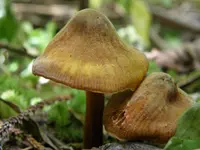
The fruiting bodies develop a distinctly velvety to finely tomentose cap surface, a texture that helps differentiate this species from many smooth-capped, similar-colored agarics in the field.

Tropical African origin

This species is primarily known from tropical Africa, where it occurs on woody debris and forest litter rather than in temperate regions where many better-known agarics grow.

Distinctive spore print

It produces a pale to whitish spore print, which, together with its micromorphological traits such as spore shape and cystidia structure, is used by mycologists to confirm identification.

FAQs about Heimiomyces velutipes

This fungus is not considered an edible species. Identification within its group is complex, and misidentification risks are high. For safety, it should be treated as non-edible and left for observation rather than consumption.

Grow Healthy Plants with Botan Care

Keep your plants happy and healthy with plant identification, disease detection, and easy care guidance.

Botan plant care app — identify plants on mobile

Explore More Plants