Orange Waxcap Care (Hygrocybe aurantiosplendens)

Orange Waxcap

About Orange Waxcap

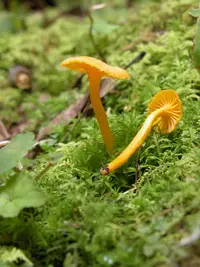
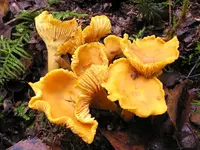
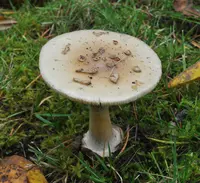
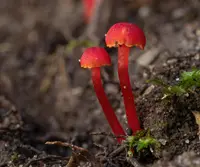
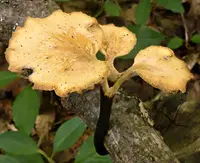
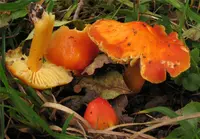
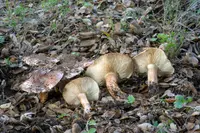
Orange waxcap (Hygrocybe aurantiosplendens) is a small, grassland mushroom rather than a leafy houseplant. It forms bright orange, waxy caps with slender, often slightly translucent stems, creating striking clusters in short, unimproved grass. In nature it is mainly found in old, low-fertility meadows and pastures across parts of Europe and some temperate regions, where soils are not heavily fertilized or disturbed.

This species is considered an indicator of long-established, low-nutrient grasslands, so it can be difficult to cultivate in typical garden or container conditions. Anyone wanting to learn how to care for Orange Waxcap should know it favors cool, moist, well-drained, low-nutrient soils and minimal disturbance.

Main Plant Requirements

Care Difficulty

Hard Care

Light Preference

Partial Shade

Water Requirements

Keep Soil Moist

Temperature Preference

Cool Climate

Hardiness Zone

Unknown

Soil Texture

Loamy, Silty, Organic-rich

Soil pH

Strongly acidic (4.5–5.5), Acidic (5.5–6.5)

Soil Drainage

Moist but well-drained

Fertilization

Minimal (feed rarely)

Get Personalized Care Plan

Scan your plant to receive care tips personalized for your specific plant

Available on iOS and Android

How to Care for the Orange Waxcap

This grassland fungus prefers bright, open conditions without intense drying sun.

  • Provide 4–6 hours of gentle sun, ideally morning or late-afternoon light, with light shade during the strongest midday period.
  • Site Orange Waxcap in short, low grass or open mossy turf where light reaches the caps but the soil surface does not bake hard or crack.
  • Avoid deep shade, which reduces fruiting, and prolonged full afternoon sun in dry weather, which can scorch and rapidly desiccate the fruit bodies.

This species needs consistently moist but not waterlogged ground to fruit well.

  • Check the top 2–3 cm of turf or moss; it should feel evenly moist but not squelchy before more watering or irrigation is applied nearby.
  • In dry spells, maintain gentle, occasional lawn or meadow irrigation so the substrate never fully dries and the waxcaps do not shrivel prematurely.
  • Avoid standing water or compacted, poorly drained soil, which promote rot and reduce Hygrocybe aurantiosplendens appearance in following seasons.

This waxcap fruits best in cool to mild conditions typical of autumn grasslands.

  • Optimal fruiting usually occurs around 50–60°F (10–16°C), with cool nights supporting slow, steady development of caps.
  • It tolerates a wider mycelial range of roughly 40–70°F (4–21°C) but fruit bodies deteriorate faster in warmer spells above 68°F (20°C).
  • Light frosts just below 32°F (0°C) may damage exposed fruit bodies, while prolonged hard frost or sudden heat waves above 77°F (25°C) sharply reduce fruiting.

Humidity is not a primary controllable factor for Hygrocybe aurantiosplendens, which depends more on overall site moisture and soil conditions than on ambient air humidity.

This fungus requires specific grassland soil conditions rather than a conventional potting substrate.

  • Prefers short, unimproved, low-nutrient grassland soil that is moderately moist, well-drained, and often slightly acidic to neutral (pH 5.5–7).
  • Avoid enriched, fertilized, or heavily manured soils, as high available nitrogen and phosphorus quickly suppress Hygrocybe aurantiosplendens fruiting.
  • Maintain an open, fine-textured mineral soil with a thin turf, avoiding compaction by limiting foot traffic and mechanical disturbance.
  • If attempting to establish on a site, reduce fertilizer inputs and allow a low-growing, diverse sward to develop over several years before expecting fruit bodies.

This species is not suitable for container growing, as its ecological requirements depend on a stable grassland soil system that containers cannot replicate.

Hygrocybe aurantiosplendens is a grassland mushroom that generally performs best without direct fertilization.

Hygrocybe aurantiosplendens does not require pruning, as the visible mushrooms are only short-lived fruiting bodies.

This fungus is not suited to normal pot culture, so focus on maintaining suitable grassland rather than repotting.

  • Avoid disturbing established turf where the fungus appears; its underground mycelium is sensitive to soil disruption.
  • If transplanting turf experimentally, move shallow, intact sod sections in late summer or early autumn during moist conditions.
  • Water gently after moving sod to limit drying, and avoid trampling or compaction while the area re-establishes.
  • Do not repeat turf moves frequently; allow several years for the mycelium to stabilize and resume fruiting.

Propagation of Hygrocybe aurantiosplendens is technically complex and rarely successful for home growers.

This waxcap is cold hardy in temperate climates and generally needs no active winter care.

Care Tips

Maintain host sward

Keep the surrounding grass or moss short and minimally fertilized so light and air reach the fruiting bodies while preserving the low-nutrient conditions waxcaps require to reappear each year.

Protect fruiting patches

Mark and avoid trampling known fruiting spots, and restrict raking, digging, and heavy foot traffic in autumn so the delicate mycelium network remains undisturbed and continues producing mushrooms.

Gentle harvest technique

If collecting, cut caps at the base with a clean knife rather than pulling, and leave a portion of mature mushrooms to drop spores and maintain the population when caring for Orange Waxcap in a managed lawn or meadow.

Mimic traditional grazing

Instead of frequent close mowing, use 1–2 light grazings or a few higher cuts per year to mimic traditional pasture use, which helps maintain the open, low-fertility turf these fungi favor.

Monitor chemical drift

Avoid using herbicides, fungicides, or high-salt deicing products near the site and watch for spray drift from neighboring areas, as many agrochemicals can suppress or eliminate waxcap fruiting for multiple seasons.

Common Pests and Diseases

Slime mold contamination

This disease appears when competing saprophytic fungi or slime molds colonize the same grassland microhabitat, outgrowing or coating the waxcap fruitbodies. Symptoms include slimy, discolored patches on or around the caps and stipe, often leading to rapid collapse.

Solution

Care for this species focuses on habitat management rather than treating the fruitbodies directly; remove heavily contaminated mushrooms so they do not dominate the limited organic material, and maintain an open, well-drained grass sward with low nutrient input to favor waxcaps over aggressive decomposers, which supports long-term Hygrocybe aurantiosplendens care.

Mite grazing

These insects are actually tiny arachnids that feed on developing gills and cap surfaces, leaving pitted, rough, or deformed areas, especially on young fruitbodies. Symptoms include uneven cap margins and damaged gill tissue that spores cannot release efficiently.

Solution

In small, monitored populations, remove and discard heavily grazed mushrooms to limit local mite numbers, and avoid piling grass clippings or dense litter nearby, since these materials provide stable refuge for large mite populations close to emerging fruitbodies.

Fungal parasitism

This disease occurs when other fungi, such as parasitic molds, invade living waxcap tissue, causing patchy discoloration, fuzzy growths, or soft, water-soaked areas on the caps or stipes. Symptoms include rapid tissue breakdown and failure of the fruitbody to expand normally.

Solution

Promptly remove and dispose of parasitized mushrooms to reduce the spore load of the parasitic fungus, and keep the surrounding turf short and well-aerated so fruiting bodies dry quickly after rain, which makes them less favorable substrates for opportunistic fungal invaders.

Slug and snail damage

This pest group feeds directly on the cap and gills, chewing irregular holes and sometimes consuming entire young fruitbodies overnight. Symptoms include ragged margins, missing sections of the cap, and slime trails on the surrounding grass or soil surface.

Solution

Hand-pick slugs and snails in the evening or early morning around known fruiting spots, use coarse sand or rough mineral topdressing to create a less favorable surface, and avoid overwatering nearby vegetation, since consistently moist, lush grass favors high slug activity near fruiting Hygrocybe patches.

Interesting Facts

Distinctive color zoning

The cap often shows a gradient of orange to yellow with subtle reddish tones and a paler margin, a combination that helps distinguish it from similar waxcaps in mixed grassland collections.

Grassland habitat specialist

This species occurs mainly in low-nutrient, unimproved grasslands, especially old pastures and lawns that have not been intensively fertilized, making it an indicator of long-established, low-input habitats.

Waxy, non-hygrophanous cap

Unlike many small grassland fungi, its cap remains relatively stable in color when drying and has a distinctly waxy surface, which is characteristic for waxcaps but shows a particularly glossy appearance in this species.

FAQs about Orange Waxcap

This mushroom is generally regarded as inedible to of low culinary value. Identification of waxcaps is difficult and confusing, so foraging is discouraged. Enjoy it as a conservation indicator species rather than as food.

Grow Healthy Plants with Botan Care

Keep your plants happy and healthy with plant identification, disease detection, and easy care guidance.

Botan plant care app — identify plants on mobile

Explore More Plants