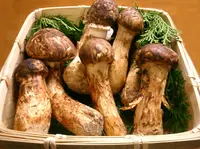
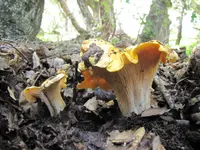
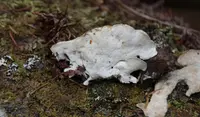
Poison Pie Care (Hebeloma crustuliniforme)

Also known as: Fairy-cakes
Poison Pie

About Poison Pie

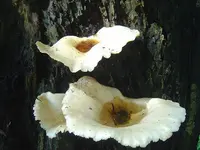
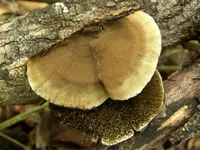
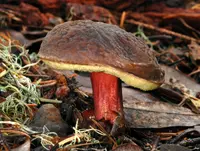
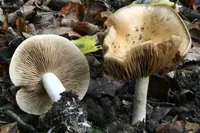
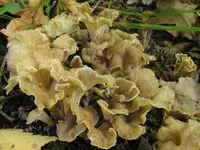
Poison pie, Hebeloma crustuliniforme, is a common woodland mushroom rather than a true garden plant. It typically forms small to medium, pale brown to tan caps with a smooth surface and crowded, clay-colored gills. The stem is slender and often slightly bulbous at the base.

This fungus usually appears in groups on soil rich in organic matter, often near trees in forests, parks, and lawns across temperate regions. It is not a beginner-friendly species to cultivate, since many Hebeloma species form close relationships with tree roots and are difficult to manage in controlled conditions.

Those interested in how to care for Poison Pie should know it prefers cool, moist conditions and undisturbed, well-drained soil with plenty of decaying organic material.

Main Plant Requirements

Care Difficulty

Hard Care

Light Preference

Partial Shade

Water Requirements

Keep Soil Moist

Temperature Preference

Cool Climate

Hardiness Zone

Unknown

Soil Texture

Loamy, Silty, Organic-rich

Soil pH

Acidic (5.5–6.5), Slightly acidic (6.5–7.0)

Soil Drainage

Moist but well-drained

Fertilization

Minimal (feed rarely)

Get Personalized Care Plan

Scan your plant to receive care tips personalized for your specific plant

Available on iOS and Android

How to Care for the Poison Pie

Hebeloma crustuliniforme, commonly called Poison Pie, is a woodland mushroom that depends on moderate, indirect light under trees.

  • Provide bright dappled shade or light filtered through tree canopies, with only 1–3 hours of gentle morning sun and no harsh afternoon sun.
  • Site it where surrounding trees or shrubs block direct midday sun to prevent drying of the fruiting zone and damage to emerging caps.
  • In deciduous woodland, expect stronger light after leaf fall; maintain a leaf-litter layer or partial shade to reduce winter and early-spring light intensity.

This ectomycorrhizal mushroom relies on consistently moist, not saturated, soil in its woodland habitat.

  • Aim for soil that feels evenly moist 3–5 cm down, never waterlogged; coarse organic matter and leaf litter help maintain humidity and drainage.
  • Increase moisture during dry spells so the upper 5 cm of soil does not fully dry; reduced rainfall often leads to fewer or smaller fruiting bodies.
  • Watch for sour smell or standing water as signs of excess moisture, and for cracked, dusty soil or shriveling caps as signs of drought stress in Hebeloma crustuliniforme.

This woodland fungus prefers cool to mild conditions and fruits most reliably in temperate climates.

  • Optimal activity typically occurs around 50–65°F (10–18°C), matching cool, moist seasons in many forests.
  • It tolerates brief drops near 32°F (0°C), but hard, prolonged freezes can halt growth and damage developing fruiting bodies.
  • Sustained heat above 77–82°F (25–28°C) with dry soil reduces fruiting; cooler, moist autumn or spring weather usually brings the strongest flushes.

Humidity is not a key factor for Hebeloma crustuliniforme, which develops outdoors in natural woodland conditions.

Hebeloma crustuliniforme fruits best in undisturbed, naturally structured woodland soil rather than artificial potting mixes.

  • Use mineral soil that is loamy to sandy with moderate organic matter from leaf litter or well-rotted forest duff, not peat-heavy potting compost.
  • Ensure free drainage by avoiding compacted or clayey sites; water must percolate through without pooling around the mushroom’s mycelium.
  • Aim for slightly acidic to neutral conditions (pH 5.5–7.0), typically found under native trees in mixed or conifer woodland.
  • To improve aeration, lightly incorporate coarse sand or fine grit into dense topsoil, keeping the soil profile loose but not fluffy.

This species is not suitable for long-term container cultivation, as it relies on mycorrhizal partnership with tree roots in open soil.

Hebeloma crustuliniforme is a woodland, mycorrhizal fungus that normally requires no fertilization when associated with suitable host trees.

Pruning is not applicable for Hebeloma crustuliniforme, as it is a wild mushroom rather than a conventional garden plant.

This fungus is rarely grown in containers, so focus on establishing suitable host trees and soil conditions rather than repotting.

  • Avoid disturbing natural colonies; transplanting usually disrupts the mycelium, the underground fungal network essential for survival.
  • If attempting cultivation, introduce spawn or colonized substrate near compatible tree roots in cool, moist soil during autumn.
  • Keep the soil consistently moist but not waterlogged after introduction to reduce stress on the developing mycelium.
  • Do not divide or lift clumps, as breaking the mycelium commonly leads to failure rather than successful transplanting.

Propagation of Hebeloma crustuliniforme is specialized and not recommended for casual growers, as it depends on complex tree-fungus relationships.

In suitable climates this woodland fungus is naturally cold hardy and usually needs no specific winter care.

Care Tips

Host tree selection

Establish this fungus near compatible tree species such as birch, pine, spruce, or oak, as its mycorrhizal relationship depends on the right host roots rather than open lawn or annual beds.

Minimize soil disturbance

Limit digging, rototilling, or frequent raking in the colonized area so the fine fungal mycelium network is not broken, which helps maintain regular fruiting over multiple seasons.

Leaf litter management

Allow a thin, patchy layer of leaf litter to remain under host trees to moderate surface moisture and provide organic matter, but avoid thick, matted piles that stay waterlogged and favor rot instead of fruiting.

Targeted irrigation zone

If irrigating, focus water at the drip line of host trees rather than directly on the mushroom caps, which protects the developing mycelium and young fruiting bodies from mechanical damage.

Fruiting body handling

When removing or sampling mushrooms, cut or gently twist them at the base instead of pulling up clumps of soil, so the underground mycelium remains intact and able to fruit again when conditions favor growing Poison Pie.

Common Pests and Diseases

Fungivorous nematodes

These microscopic worms feed on fungal hyphae and can reduce the vigor and spread of the mycelium in soil or substrate. Symptoms include patchy, weak colony growth and poor fruiting where nematode populations are high.

Solution

Use well-pasteurized or sterilized substrates and avoid introducing untested field soil into cultivation setups. In outdoor settings, maintain healthy, diverse soil biology and avoid overdisturbing the habitat, as balanced soil communities help keep nematode populations in check.

Mite grazing

These insects, more accurately small arachnids, can feed on developing mycelium and primordia, leaving deformed or aborted fruiting bodies and uneven patches of growth. Symptoms include tiny bite marks, surface pitting, or dusty-looking colonies on trays or culture plates.

Solution

Keep cultivation areas clean, dry between flushes, and free of decaying organic debris that harbors mites. For controlled setups, discard heavily infested cultures, use fine mesh screens or filters on vents, and, if necessary, treat surrounding non-food surfaces with a labeled miticide while keeping it off the fungal culture itself.

Bacterial blotch

This disease is caused by opportunistic bacteria that thrive on wet mushroom caps, leading to sticky, discolored, or greasy-looking spots and localized tissue collapse. Symptoms include yellow to brown lesions and an unpleasant odor on affected fruiting bodies.

Solution

Reduce overhead watering and avoid water sitting on caps by improving air exchange and using more indirect moisture methods. Remove and discard affected mushrooms promptly, lower humidity slightly, and disinfect tools and surfaces with a suitable sanitizing solution between handling different batches.

Competitive mold contamination

This disease results from fast-growing molds such as Trichoderma colonizing the same substrate, which can quickly overwhelm the mycelium and prevent normal fruiting. Symptoms include green, blue-green, or gray patches on the substrate or casing layer that spread faster than the target fungus.

Solution

Use clean, well-sterilized or pasteurized substrates, work with tools and hands that are thoroughly cleaned, and avoid exposing inoculated material to unfiltered air. Remove and discard heavily contaminated substrates, and adjust humidity and ventilation to discourage standing condensation and stagnant air that favor mold growth.

Fungivorous fly larvae

This pest involves small flies, such as sciarid or phorid flies, whose larvae tunnel through substrate and mushrooms, causing soft, water-soaked areas and internal damage. Symptoms include tiny entrance holes, distorted caps, and visible small maggots in damaged tissue.

Solution

Install fine mesh screens on vents, use sticky traps to monitor and reduce adult fly populations, and promptly remove spent or heavily infested material. Keep the growing area clean, avoid exposed standing water or piles of decomposing organic matter nearby, and use well-sealed containers or tents for more reliable Hebeloma crustuliniforme care instructions in controlled environments.

Interesting Facts

Strong radish-like odor

Mature fruiting bodies often have a distinctly strong, unpleasant radish or mustard-like smell, which helps distinguish this species from many other small brown mushrooms in mixed woodlands.

Toxic but often abundant

This mushroom is considered poisonous and has caused gastrointestinal upset in documented cases, yet it commonly forms dense troops or fairy rings in temperate forests, parks, and even schoolyards.

Versatile mycorrhizal partner

The fungus forms ectomycorrhizal associations with many tree genera, including birch, pine, spruce, and oak, helping them absorb nutrients in poor soils while receiving sugars from the host roots.

Botan icon

Did you know?

This species is so reliable at forming mycorrhizae with young trees that it is frequently used in forestry and restoration research as a model ectomycorrhizal fungus to study tree–fungus interactions and seedling establishment.

FAQs about Poison Pie

This mushroom is considered poisonous and should never be eaten. It can cause gastrointestinal symptoms such as nausea, vomiting, and diarrhea. Identification mistakes are common, so it is safest to avoid any culinary use entirely.

Grow Healthy Plants with Botan Care

Keep your plants happy and healthy with plant identification, disease detection, and easy care guidance.

Botan plant care app — identify plants on mobile

Explore More Plants