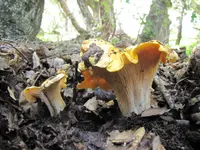
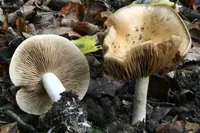
Oak-loving Trich Care (Tricholoma dryophilum)

Oak-loving Trich

About Oak-loving Trich

Oak-loving Trich, Tricholoma dryophilum, is a mycorrhizal mushroom that forms a symbiotic relationship with oak trees, exchanging nutrients through their root systems. It is not a houseplant but a woodland fungus that appears seasonally.

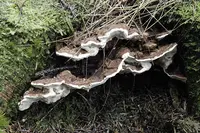
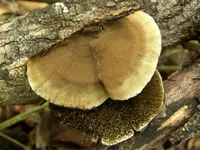
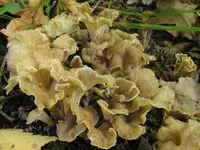
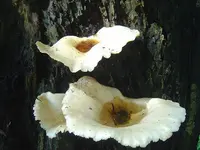
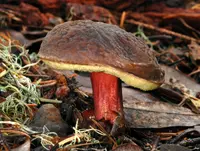
Fruiting bodies usually have a firm, pale to brownish cap with gills underneath and a stout stem, often emerging in leaf litter near oak roots. It occurs mainly in temperate oak woodlands, especially in parts of Europe and North America.

This species can be challenging to cultivate because it depends on a living oak host and stable forest soil conditions. Gardeners curious about how to care for Oak-loving Trich should understand that it is best appreciated in its natural habitat rather than in containers or standard garden beds.

Main Plant Requirements

Care Difficulty

Hard Care

Light Preference

Partial Shade

Water Requirements

Keep Soil Moist

Temperature Preference

Cool Climate

Hardiness Zone

Unknown

Soil Texture

Loamy, Silty, Organic-rich

Soil pH

Acidic (5.5–6.5), Slightly acidic (6.5–7.0)

Soil Drainage

Moist but well-drained

Fertilization

Minimal (feed rarely)

Get Personalized Care Plan

Scan your plant to receive care tips personalized for your specific plant

Available on iOS and Android

How to Care for the Oak-loving Trich

This ectomycorrhizal mushroom prefers woodland light conditions beneath oak canopies.

  • Aim for dappled shade or light filtered through oak leaves, roughly 2–4 hours of gentle direct morning sun with bright shade the rest of the day.
  • Avoid full, open midday sun; intense exposure dries the leaf litter and upper soil layer, reducing the chance of fruiting and stressing Oak-loving Trich mycelium.
  • In summer, protect sites from strong afternoon sun, while in autumn slightly more open canopy gaps can help trigger fruiting without fully exposing the patch.

This fungus relies on consistently moist, well-drained forest soil around its oak partners.

  • Maintain soil that feels slightly damp 2–5 cm down, never waterlogged; leaf litter should feel flexible, not crunchy dry or slimy.
  • If supplementing moisture in dry periods, water slowly so it soaks in, then allow the top litter layer to begin drying before the next deep soak.
  • Watch for overwatering signs such as sour smell and soggy, compacted soil, or underwatering signs like dusty, hydrophobic litter repelling water.

This species fruits best in cool to mild conditions typical of temperate oak woodlands.

  • Optimal fruiting often occurs around 50–65°F (10–18°C), especially during moist autumn periods with stable day–night temperatures.
  • Mycelium can survive down to about 32°F (0°C) in soil, but hard, prolonged frost at or below 25°F (-4°C) may damage shallow hyphae near the surface.
  • Sustained heat above 80°F (27°C) with dry soil reduces activity; shade, leaf litter, and soil moisture help buffer roots and mycelium in hot spells.

This ectomycorrhizal fungus prefers moderate ambient humidity rather than very dry air, especially during fruiting.

  • Aim for 50–70% humidity around developing mushrooms to prevent caps from cracking or drying at the edges.
  • It tolerates brief dips to 30–40%, but prolonged dry air leads to small, tough fruiting bodies and slow growth with oak roots.
  • If growing Oak-loving Trich in a controlled setup, raise humidity with a fine mist, open water trays, or a humidifier placed nearby, not directly on it.

This species fruits best in loose, well-aerated soil around oak roots rather than compacted, soggy ground.

  • Use a sandy to sandy-loam texture with plenty of leaf litter or well-decomposed hardwood compost to mimic forest topsoil.
  • Ensure fast drainage so water does not stand; soil should feel slightly moist after watering but never sticky or waterlogged.
  • Keep soil slightly acidic, around pH 5.0–6.5, by incorporating oak leaves or pine needle mulch instead of alkaline materials.
  • Improve aeration by mixing in coarse sand and fine bark pieces, and avoid heavy clay, peat-only mixes, or soils high in synthetic fertilizers near Tricholoma dryophilum host roots.

This species is generally not suitable for container growing because it depends on stable, long-term association with living oak roots.

This mycorrhizal fungus depends on its oak host and normally does not need direct fertilization.

As a woodland mushroom, Tricholoma dryophilum is not pruned in the horticultural sense.

This species forms a symbiotic association with living oak roots and is not suited to normal container repotting.

  • Transplant only as part of moving an entire young oak seedling that already hosts the fungus on its roots.
  • Carry as much native soil as possible to maintain the existing mycelium network and reduce disturbance.
  • Transplant during cool, moist weather in fall to limit stress and drying of the fine roots.
  • Water the oak seedling gently after planting and keep the soil evenly moist until it re-establishes.

Tricholoma dryophilum is challenging to propagate intentionally because it depends on a mycorrhizal partnership with oak roots.

In its natural range this oak-associated fungus is cold hardy and needs no specific winter care.

Care Tips

Host tree selection

Establish the fungus only under healthy, mature oaks with undisturbed root zones, since the mycorrhizal partnership depends on stable, living host roots rather than newly planted or stressed trees.

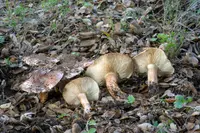
Minimal soil disturbance

Avoid digging, rototilling, or heavy raking within 1–2 m of the oak trunk, as disturbance breaks fine feeder roots and fungal mycelium that are essential for growing Oak-loving Trich.

Leaf litter management

Leave a thin, continuous layer of oak leaf litter over the colonized area, removing only thick, matted or waterlogged layers so the soil surface stays aerated but naturally mulched.

Targeted irrigation zones

If irrigation is needed, water in a ring beneath the outer canopy drip line rather than directly at the trunk to keep the mycorrhizal zone evenly moist without creating trunk rot or compaction near the base.

Foot traffic control

Restrict regular walking, play areas, and heavy containers over the fruiting zone, since repeated compaction reduces pore space in the soil and can sharply reduce mushroom production over time.

Common Pests and Diseases

Mycophagous springtails

These insects feed on fungal tissue and mycelium, sometimes tunneling through developing fruiting bodies. Symptoms include pitted caps, surface scarring, and a fine, jumping population in the substrate or leaf litter.

Solution

Reduce excess surface moisture by improving drainage and ventilation around the fruiting site, and avoid overwatering nearby container plants or irrigation lines. Remove heavily damaged mushrooms and coarse debris, then use sticky traps or targeted biological controls such as predatory mites if springtail numbers stay high in managed cultivation beds when trying to grow Tricholoma dryophilum.

Slugs and snails

These pests graze heavily on mushrooms, leaving ragged holes, slime trails, and partially eaten caps near oak litter. Damage is often worst in damp, shaded microhabitats after rain or heavy irrigation.

Solution

Hand-pick slugs and snails at dusk or after rain, and remove nearby hiding spots such as boards, dense groundcover, and low debris. In cultivated settings, create physical barriers (copper tape, sharp grit) and, if needed, place iron phosphate bait stations away from children and pets to reduce grazing pressure on fruiting bodies.

Fungivorous mites

These pests feed on fungal hyphae and gill tissue, causing slow deterioration of caps and sometimes a dusty or speckled appearance on gills. This pest is more common in intensively managed or confined growing beds with high organic matter and constant moisture.

Solution

Improve litter aeration and avoid chronically saturated soil to reduce mite habitat, and remove badly affected mushrooms promptly. In semi-controlled cultivation, introduce predatory mites and reduce thick surface mulch layers to lower populations without resorting to broad-spectrum chemicals that disrupt soil biology.

Bacterial blotch

This disease leads to greasy, water-soaked spots or streaks on caps that turn yellow-brown and can soften quickly in humid conditions. Symptoms include localized lesions that spread under standing water films or persistent condensation on the mushroom surface.

Solution

Limit leaf-litter wetting from overhead irrigation, promote airflow under oaks, and avoid touching caps with contaminated hands or tools. Remove and discard blotched mushrooms and reduce surface wetness on the fruiting zone by irrigating soil early in the day so caps dry quickly.

Parasitic competing fungi

This disease results from other fungi colonizing the same substrate or directly parasitizing the mycelium, leading to fewer or distorted fruiting bodies and patchy disappearance of mushrooms in previously productive spots. Symptoms include unusual fungal growths, discolored mycelial mats, or dense patches of foreign mold-like tissue in the leaf litter or soil surface.

Solution

Minimize disturbance of established mycelial areas and avoid importing contaminated mulch, logs, or soil to oak habitats used for Tricholoma dryophilum care instructions. If cultivating in a managed bed, remove obvious foreign fungal mats, refresh with clean oak leaf litter, and maintain good drainage and moderate, not excessive, organic load to favor the desired mycorrhizal partner over aggressive saprotrophic competitors.

Interesting Facts

Specialist oak associate

This mushroom forms ectomycorrhizal associations specifically with oaks, exchanging mineral nutrients and water from the soil for sugars produced by the tree’s photosynthesis.

Dry-habitat preference

It is typically found in relatively dry, well-drained oak woodlands rather than in moist, mossy forests, which fits the meaning of its epithet dryophilum, often interpreted as oak-loving and dry-favoring.

Variable cap coloration

The cap shows notable color variability, ranging from brownish to grayish or yellowish tones, often with darker fibrous streaks, which has contributed to past confusion with closely related Tricholoma species.

FAQs about Oak-loving Trich

Identification of this species is difficult, and it can be confused with toxic look-alikes. It is not recommended for consumption. Only expert mycologists should determine edibility, and for most people, avoidance is the safest option.

Grow Healthy Plants with Botan Care

Keep your plants happy and healthy with plant identification, disease detection, and easy care guidance.

Botan plant care app — identify plants on mobile

Explore More Plants