Conifer-base Polypore Care (Heterobasidion annosum)

Also known as: Root Rot
Conifer-base Polypore

About Conifer-base Polypore

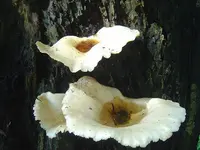
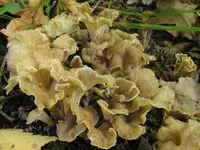
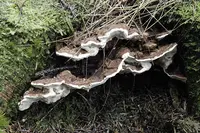
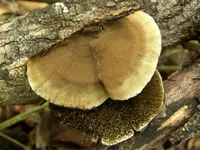
Conifer-base polypore (Heterobasidion annosum) is a wood-decay fungus, not a typical houseplant, best known as a serious root and butt rot pathogen of conifers. It forms hard, bracket-like fruiting bodies at the base of trees or on stumps, with creamy pore surfaces and darker, often zoned upper surfaces.

This species occurs mainly in conifer forests across the Northern Hemisphere, especially in managed pine and spruce stands. It spreads via spores and root contact, which makes it persistent and difficult to manage rather than something to actively grow, so information on how to care for Conifer-base Polypore focuses mostly on forestry disease control.

In nature, it favors weakened hosts, moderate moisture, and the presence of suitable conifer wood for colonization.

Main Plant Requirements

Care Difficulty

Easy Care

Light Preference

Partial Shade

Water Requirements

Moderate Water

Temperature Preference

Cool Climate

Hardiness Zone

3–8

Soil Texture

Sandy, Loamy, Organic-rich

Soil pH

Acidic (5.5–6.5)

Soil Drainage

Moist but well-drained

Fertilization

Minimal (feed rarely)

Get Personalized Care Plan

Scan your plant to receive care tips personalized for your specific plant

Available on iOS and Android

How to Care for the Conifer-base Polypore

This wood-decay fungus thrives in forest conditions with variable, often filtered light rather than direct, intense sun.

  • Heterobasidion annosum fruiting bodies develop well under partial shade, such as beneath conifer canopies, with dappled or indirect light for most of the day.
  • It tolerates low light levels typical of dense conifer stands, but prolonged deep shade under heavy understory vegetation can slow fruiting and colonization.
  • Direct, strong midday sun for more than 3–4 hours can dry exposed wood surfaces, reducing spore germination and making conditions less favorable for Conifer-base Polypore.

This fungus establishes best on host trees and stumps where moisture is present but not persistently waterlogged.

  • In natural settings, Heterobasidion annosum benefits from evenly moist wood; waterlogged or flooded soils reduce oxygen and can limit its spread in roots and stumps.
  • Sites that dry out completely for long periods slow mycelial growth; crumbly, very dry wood and shrinking fungal margins indicate insufficient moisture.
  • Sustained standing water, foul odor, or blackened, slimy wood suggest anaerobic conditions that are too wet for stable colonization and favor other microorganisms instead.

This species is adapted to temperate climates and shows steady activity across a moderate temperature range.

  • Optimal growth typically occurs around 59–77°F (15–25°C), where wood decay and mycelial spread in conifer roots and stumps are most active.
  • It tolerates cool conditions down to about 32°F (0°C); mycelium may become dormant in cold winters but can resume activity when temperatures rise above freezing.
  • Prolonged exposure above about 86°F (30°C), especially with low moisture, can slow growth and dry host tissues, reducing successful colonization and fruiting.

Humidity control is not relevant for Heterobasidion annosum, which is a wood-decaying forest fungus rather than a houseplant, so caring for Conifer-base Polypore focuses on host and site conditions instead of air moisture.

This pathogenic fungus colonizes living conifer roots and stumps rather than growing in a managed potting substrate.

  • It develops in contact with woody roots in compacted or poorly structured forest or plantation soils, often where water drainage is restricted around stumps.
  • Growth is favored in moist but not waterlogged mineral soils where conifer roots are dense and oxygen is still available.
  • Soil pH from slightly acidic to neutral typically supports host trees and therefore allows Heterobasidion annosum to spread through root contacts.
  • Management focuses on avoiding conditions that leave many fresh conifer stumps in production stands, where the fungus can easily enter and establish in the root zone.

This wood-decay fungus is not suitable for container growing and should not be cultivated intentionally in pots or managed containers.

Heterobasidion annosum is a wood-decaying fungus on conifers and does not require or benefit from conventional fertilization in cultivation or forest settings.

Pruning is not a care practice for Heterobasidion annosum itself but is relevant to managing infected host trees in forestry or landscape settings.

This fungus is not maintained as a potted specimen, so handling focuses on limiting spread rather than routine repotting or transplanting.

  • Avoid moving infected stumps, roots, or soil from sites known to host the fungus to reduce spread to healthy conifers.
  • Schedule any necessary tree removal or stump handling during dry weather, when spores spread less readily.
  • If equipment disturbs infected material, clean and disinfect tools and machinery before leaving the site.
  • In reforestation or planting projects, choose less-susceptible tree species where Heterobasidion annosum is established.

Deliberate propagation of Heterobasidion annosum is not recommended because it is a serious root-rot pathogen of conifer forests and plantations.

No winter care is provided for this fungus; instead, forest and landscape management aims to reduce infection and spread year-round, including in cold conditions.

Care Tips

Host root assessment

Before planting conifers in a previously forested or plantation site, have stumps and major roots checked for existing infections, since Heterobasidion annosum rapidly colonizes fresh, healthy roots connected to diseased stumps.

Stump surface management

On high‑risk conifer sites, apply a biological stump treatment such as Phlebiopsis gigantea or a properly labeled urea product to freshly cut stumps within 4–6 hours to greatly reduce infection points for spores.

Root contact limitation

When establishing new conifer plantings near known infection centers, increase planting distances and avoid leaving large overlapping root systems, which can slow the spread of the fungus via root contacts.

Rotation and species choice

In replanting scenarios on infested land, consider rotating to non‑susceptible broadleaf species or mixing species with lower susceptibility to reduce disease build‑up while still growing Conifer-base Polypore under controlled conditions for study or monitoring.

Monitoring fruiting bodies

Inspect stump bases and root collars at least once a year for new conks and remove or mark infected trees and stumps promptly, so disease spread can be mapped and managed with targeted sanitation cuts rather than broad removals.

Common Pests and Diseases

Phellinus root rot

This disease typically colonizes conifer roots already weakened by annosus infection and further degrades structural wood. Symptoms include progressive crown thinning, resinous lesions at the root collar, and extensive decay in the lower stem and roots.

Solution

Management focuses on preventing spread in forestry or landscape stands by promptly removing and destroying heavily decayed stumps and trees, avoiding fresh root wounds during wet periods, and maintaining low planting densities to reduce root-to-root contact that allows wood-decay fungi to move between hosts.

Armillaria root disease

This disease exploits trees stressed by annosus root and butt rot, invading roots and lower stems and accelerating decline. Symptoms include honey-colored mushrooms near the base, white mycelial fans under the bark, and rapid dieback of the crown.

Solution

Control relies on removing infected stumps and major roots where feasible, avoiding waterlogged or compacted soils in new plantings, and favoring mixed-species or more resistant tree species to reduce spread through root contact and shared stumps.

Ips bark beetles

These insects preferentially attack conifers weakened by annosus infection, tunneling under the bark and disrupting water and nutrient transport. Symptoms include boring dust at the base, small entry holes in the bark, and rapid crown discoloration from green to reddish-brown.

Solution

Management involves timely removal and proper disposal or debarking of infested or recently killed logs, avoiding storage of fresh conifer slash near live trees, and maintaining tree vigor through appropriate spacing and site selection to reduce beetle attraction to stressed hosts.

Hylobius pine weevils

These insects are attracted to freshly cut stumps and annosus-weakened conifers, where adults feed on bark and young trees and larvae develop in roots and stumps. Symptoms include ring-barking of seedlings and saplings, resin bleeding, and feeding scars on stems near ground level.

Solution

To reduce damage, foresters limit fresh stump surfaces during peak adult activity, remove or treat stumps to reduce breeding sites, and use physical barriers or approved stem coatings on young trees in high-risk reforestation areas as part of broader Conifer-base Polypore care instructions.

Interesting Facts

Major conifer root rot

This fungus is one of the most destructive root rot agents of pines and other conifers in the Northern Hemisphere, killing trees by decaying roots and the lower stem and predisposing forests to windthrow.

Stump-to-tree spread

Infection often begins in freshly cut stumps or wounded roots and then spreads from tree to tree through natural root grafts or direct root contacts, creating expanding centers of diseased and dying trees.

Long-lived soil resident

The fungus can survive for many years in buried infected roots and stumps, even after trees are removed, which makes management and Heterobasidion annosum care in forestry particularly challenging.

Botan icon

Did you know?

This species produces perennial bracket-like fruiting bodies at the base of living or recently killed conifers, and these can continue to release airborne spores year after year, serving as persistent inoculum sources across large forest areas.

FAQs about Conifer-base Polypore

This fungus spreads very aggressively in conifer plantations through root contacts and airborne spores. Once established, it can colonize large areas, causing root and butt rot, so foresters treat it as a serious timber disease rather than an ornamental organism.

Grow Healthy Plants with Botan Care

Keep your plants happy and healthy with plant identification, disease detection, and easy care guidance.

Botan plant care app — identify plants on mobile

Explore More Plants