Vermilion Waxcap Care (Hygrocybe miniata)

Vermilion Waxcap

About Vermilion Waxcap

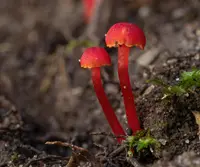
Vermilion waxcap (Hygrocybe miniata) is a small, grassland mushroom rather than a leafy houseplant. It produces bright red to orange, waxy caps on slender stems, usually scattered rather than in dense clusters. In nature it appears in unimproved, low-fertility grasslands, lawns, and mossy habitats across temperate regions, especially in Europe and parts of North America.

This species depends on undisturbed, low-nutrient soils, which makes it difficult to cultivate reliably at home. It is better appreciated as a seasonal feature of healthy, semi‑natural turf than as a conventional potted specimen. Those who wish to care for Vermilion Waxcap mainly focus on maintaining low‑input, unfertilized grass areas with good light and consistent, but not waterlogged, moisture.

Main Plant Requirements

Care Difficulty

Hard Care

Light Preference

Partial Shade

Water Requirements

Keep Soil Moist

Temperature Preference

Cool Climate

Hardiness Zone

Unknown

Soil Texture

Loamy, Sandy, Organic-rich

Soil pH

Strongly acidic (4.5–5.5), Acidic (5.5–6.5)

Soil Drainage

Moist but well-drained

Fertilization

Minimal (feed rarely)

Get Personalized Care Plan

Scan your plant to receive care tips personalized for your specific plant

Available on iOS and Android

How to Care for the Vermilion Waxcap

This grassland fungus prefers cool, moderately bright sites rather than intense direct sun.

  • Provide 3–5 hours of gentle morning sun with light shade or dappled light through the rest of the day, as Vermilion Waxcap often fruits in open but not harshly exposed turf.
  • Avoid strong midday and afternoon sun, which can overheat the soil surface and dry the thin, mossy thatch layer it typically inhabits.
  • In summer, rely more on filtered light or high, open shade; in cooler months, slightly more open exposure is acceptable if soil moisture is maintained.

This waxcap relies on consistently moist, well‑drained grassland soil rather than frequent heavy watering.

  • Aim for evenly moist soil in the upper 3–5 cm; the surface may dry lightly between rains, but deeper layers should remain slightly damp.
  • Avoid standing water or soggy patches, as Hygrocybe miniata is sensitive to waterlogged, compacted ground, which reduces fungal activity and fruiting.
  • Watch for caps failing to appear in autumn as a sign of prolonged drought and for slimy, decaying turf as a sign of chronic overwatering or poor drainage; adjust irrigation accordingly.

This species thrives in cool to mild conditions, typical of autumn in temperate grasslands.

  • Optimal fruiting generally occurs around 50–65°F (10–18°C), with the underground mycelium active across a wider range as long as moisture is sufficient.
  • The fungus tolerates brief dips near 32°F (0°C), but repeated hard freezes below 28°F (-2°C) can reduce or halt visible fruiting until conditions improve.
  • Sustained heat above 77–82°F (25–28°C) combined with dry soil suppresses fruiting; cooler nights and seasonal temperature drops usually trigger better development.

This fungus prefers consistently moist air but does not need controlled high humidity outdoors.

  • Aim for ambient humidity around 60–80% by keeping the surrounding grass or moss damp rather than spraying the caps directly.
  • It tolerates brief drier spells, but prolonged <50% humidity combined with dry soil causes caps to crack and shrivel.
  • Increase local humidity by mulching lightly with leaf litter and avoiding mowing or raking that exposes the fruiting area.

This species fruits best in undisturbed, moist but not waterlogged, organically enriched grassland soil.

  • Use a fine-textured, sandy-loam structure with high organic matter, mixing well-rotted leaf mold or composted bark into the top 5–10 cm.
  • Ensure free drainage; water should pass through quickly, so avoid compacted clay and break up hard layers before planting any host grasses.
  • Keep soil slightly acidic to neutral, roughly pH 5.5–7.0, avoiding liming that pushes pH higher than this range.
  • For Hygrocybe miniata, maintain open, aerated turf by preventing heavy trampling and avoiding thick thatch that blocks gas exchange in the upper soil layer.

This species is poorly suited to container growing and is best maintained in natural or semi-natural turf, so Vermilion Waxcap care instructions usually exclude pots.

This wild fungus forms nutrient partnerships with soil and usually does not benefit from added fertilizer.

Hygrocybe miniata does not need pruning in the usual garden sense, but fruiting bodies can be tidied for appearance or monitoring.

  • Use clean scissors or a sharp knife to cut fruiting bodies at the base if they are collapsing or decaying near paths.
  • Remove only obviously damaged or moldy mushrooms to reduce unwanted spores around vulnerable plants or structures.
  • Avoid disturbing surrounding soil or moss layers so the underlying fungal mycelium remains intact and productive.

This species is a soil-dwelling fungus, so focus on preserving its habitat rather than treating it like a potted plant.

  • Transplant only when a turf or moss patch must be relocated, since moving the fungus itself is stressful and often unsuccessful.
  • Best timing is during cool, moist periods in autumn or early spring when soil disturbance is less stressful.
  • Lift and move intact sod or moss plugs with a spade, keeping root and soil structure undisturbed.
  • Keep the transplanted area evenly moist afterward so the fungal network can re-establish contact with plant roots.

Hygrocybe miniata propagation is difficult for home gardeners and mostly depends on conserving suitable grassland habitat.

This grassland fungus is naturally cold hardy in temperate climates and needs no special winter care beyond habitat protection.

Care Tips

Moss-Rich Substrate

Establish a shallow tray or outdoor patch with living moss over low-nutrient, well-drained soil, as the fungus often fruits best through moss rather than bare soil.

Minimal Disturbance Zones

Mark and protect the fruiting area from foot traffic, raking, and pet activity, since compacted or regularly disturbed soil strongly reduces future fruiting of Vermilion Waxcap.

Controlled Mowing Regime

In lawns or meadow-style plantings, mow only 1–2 times per year and remove the clippings, because waxcaps favor low-nutrient, open turf that is not constantly cut or mulched.

Avoid Chemical Inputs

Exclude pesticides, herbicides, and high-nitrogen lawn feeds from the area, as Hygrocybe miniata is sensitive to chemical disturbance and excess nutrients.

Microhabitat Replication

When growing Vermilion Waxcap in a new spot, try to move small plugs of moss and surrounding soil from an established fruiting area rather than only loose soil, which better preserves the fine fungal network.

Common Pests and Diseases

Slime mold overgrowth

Symptoms include patches of slimy, often brightly colored growth that can engulf the fruiting bodies and surrounding moss or litter. This condition is more common in very wet, stagnant microhabitats where organic debris accumulates.

Solution

Gently remove affected fruiting bodies and any heavy accumulations of slime mold with a knife or scoop, then improve site airflow by thinning surrounding vegetation and leaf litter. Avoid disturbing the underlying mycelium in the soil and reduce localized waterlogging by clearing blocked drainage channels or adjusting irrigation nearby if in a managed site.

Parasitic fungi (Hypomyces)

This disease causes a white to yellowish crust or powdery layer that deforms or completely covers the caps and stems, preventing normal spore release. Over time, infected fruiting bodies become misshapen and lose their typical vermilion color.

Solution

Remove and discard all clearly infected mushrooms, including any that are beginning to show discoloration or crusting, to limit spore spread in that fruiting season. In managed habitats, reduce dense clusters of decaying mushrooms and maintain better air circulation at ground level by lightly lifting or redistributing moss and leaf litter without stripping the habitat.

Fungus gnat larvae

This pest creates internal tunnels and soft patches inside caps and stems as larvae feed on the flesh, leading to premature collapse and decay. Adult gnats are often seen hovering near mushroom clusters in warm, damp weather.

Solution

Harvest or remove heavily infested fruiting bodies promptly and dispose of them away from the site to reduce local breeding. In managed areas such as mushroom display beds, limit standing moisture, avoid overwatering nearby vegetation, and use fine mesh barriers or sticky traps around the area to lower adult gnat numbers without disturbing the mycelium.

Springtail grazing

These insects feed on the surface of young caps and gills, leaving small pits, roughened textures, or minor deformities, especially in persistently damp mossy sites. Damage is mostly cosmetic but can reduce spore production in severely grazed clusters.

Solution

Encourage better surface drying between rains or irrigations by improving gentle air movement at ground level and avoiding compaction of the surrounding moss and litter. If damage is severe in a monitored study or collection area, carefully relocate dense decaying plant matter that harbors large springtail populations while keeping the underlying fungal habitat intact.

Bacterial soft rot

This disease leads to water-soaked, slimy caps and stems that quickly collapse, often with a sour or unpleasant odor in very humid, warm conditions. Symptoms include rapid breakdown of tissues, sometimes beginning where insects or debris have wounded the surface.

Solution

Remove and dispose of rotting fruiting bodies promptly to reduce bacterial load and secondary attraction of flies. Limit excessive surface moisture in managed or surveyed sites by improving drainage and avoiding direct water spray on fruiting bodies, while maintaining the cool, moist soil conditions needed to grow Hygrocybe miniata in the long term.

Interesting Facts

Brilliant scarlet caps

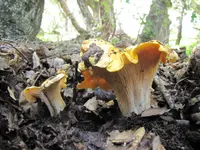
The fruiting bodies are small, with dry, intensely scarlet to orange-red caps that often become paler or slightly yellowish toward the margin as they age, giving them a distinct bi‑colored look in the field.

Indicator of old grasslands

This waxcap is typically found in unimproved, low-nutrient grasslands and lawns, and its presence is used in Europe as one of the indicator species for long‑established, traditionally managed meadows.

Unusual nutritional strategy

Unlike many common mushrooms, this species does not form typical mycorrhizal (root-partner) associations with plants and is thought to rely on complex interactions with soil microorganisms in low-fertility, moss-rich turf.

Botan icon

Did you know?

In suitable grassland, this species often fruits in scattered clusters or loose groups that can color entire patches of short turf bright red after autumn rains, making it one of the most visually striking components of waxcap-rich meadows.

FAQs about Vermilion Waxcap

This species is generally considered inedible or of very poor culinary value. Identification can be difficult, and confusion with toxic look-alikes is possible, so it is safest not to eat it.

Grow Healthy Plants with Botan Care

Keep your plants happy and healthy with plant identification, disease detection, and easy care guidance.

Botan plant care app — identify plants on mobile

Explore More Plants