Substrate depth check
In aquariums or paludariums, provide a fine-grained substrate at least 5–7 cm deep so roots can anchor firmly, then gently tug stems monthly to ensure they are well rooted and not lifting from the base.

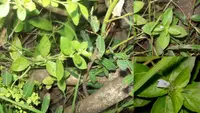
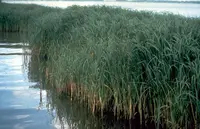
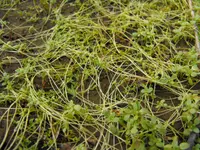
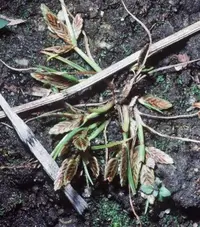
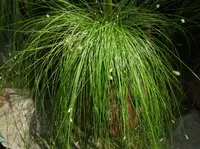
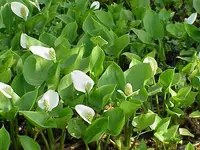
Yerba de hicotea (Hygrophila costata) is a semi-aquatic herb often found along the edges of ponds, ditches, and slow-moving streams. It has upright, green stems with narrow leaves and can form dense clumps in wet areas.
This species is native to tropical and subtropical regions of the Americas, where it thrives in warm, humid environments. It is typically fast-growing and can spread quickly when conditions are suitable.
Its vigor makes it relatively easy to grow, but it can become invasive in outdoor water bodies if not managed. In cultivation, it usually prefers bright light, consistently moist or shallowly flooded substrates, and nutrient-rich soils. Learning how to care for yerba de hicotea helps keep its growth controlled and healthy.

Care Difficulty
Moderate Care

Light Preference
Partial Sun

Water Requirements
Aquatic

Temperature Preference
Tropical / Frost Sensitive

Hardiness Zone
10–11

Soil Texture
Loamy, Silty, Organic-rich

Soil pH
Acidic (5.5–6.5), Slightly acidic (6.5–7.0)

Soil Drainage
Waterlogged tolerant

Fertilization
Moderate (every 2–4 weeks)
Scan your plant to receive care tips personalized for your specific plant
Available on iOS and Android
This wetland species prefers strong light to full sun but can adapt to partial shade.
This semi-aquatic plant thrives with consistently moist to saturated conditions.
This tropical species performs best in warm, stable temperatures without frost exposure.
This species prefers moderately high humidity but adapts to typical indoor levels if watering is consistent.
This plant prefers moist, loose, organic-rich soil that does not stay waterlogged.
This species grows well in containers when root space and drainage are carefully managed.
Hygrophila costata responds well to modest feeding when actively growing.
Pruning Hygrophila costata helps control spread and maintain a dense, healthy form.
Hygrophila costata is often grown in-ground or in ponds, but container plants still benefit from thoughtful transplanting.
Hygrophila costata is commonly propagated from cuttings or division under warm, bright conditions.
Hygrophila costata is frost-sensitive and needs protection in regions with cold winters.

Plant Health Check
Not sure what's wrong with your plant? Check your plant's health inside the app.
This species can grow both rooted in shallow water and on moist, periodically exposed muddy banks, adjusting its leaf shape and size depending on how deeply it is submerged or exposed to air.
It is naturally distributed from southern Mexico through Central America into parts of northern South America, where it occupies ditches, slow streams, marsh edges, and rice fields in lowland tropical climates.
In its native range, it tends to form dense stands along disturbed or nutrient‑rich water margins, helping stabilize soft, silty substrates but sometimes crowding out more delicate shoreline herbs.
This species is typically fast-growing in warm, wet conditions, especially along pond edges, ditches, or in shallow water. Growth slows in cooler weather, nutrient-poor substrates, or if stems are frequently cut or grazed.
Keep your plants happy and healthy with plant identification, disease detection, and easy care guidance.