Tidal Zonation Planning
Plant in clear bands according to natural tide levels, placing individuals lower on the shore only if they are from proven low-marsh stock to reduce dieback from chronic submergence stress.

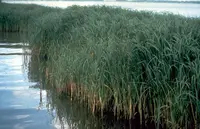
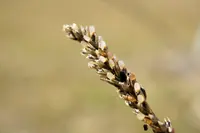
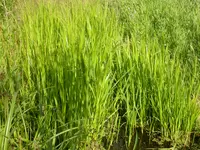
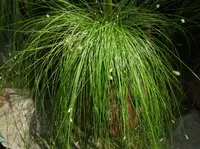
Saltmarsh cordgrass, Sporobolus alterniflorus, is a perennial grass adapted to coastal salt marshes and tidal shorelines. It forms dense clumps or spreading stands with upright, grassy stems.
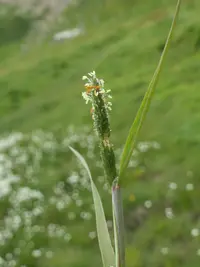
This species typically grows in regularly flooded, salty or brackish areas, where its extensive root system helps stabilize shorelines and trap sediment. Plants have narrow, green leaves and tall flowering stems with airy seed heads.
Because it is highly salt-tolerant and resilient to periodic inundation, it is considered a tough, structural grass in suitable conditions. Those learning how to care for Saltmarsh Cordgrass should note that it prefers full sun, constant moisture, and poorly drained, salty or sandy soils.

Care Difficulty
Easy Care

Light Preference
Full Sun

Water Requirements
Aquatic

Temperature Preference
Cold Hardy

Hardiness Zone
4–9

Soil Texture
Sandy, Loamy, Silty

Soil pH
Slightly acidic (6.5–7.0), Neutral (7.0)

Soil Drainage
Waterlogged tolerant

Fertilization
Minimal (feed rarely)
Scan your plant to receive care tips personalized for your specific plant
Available on iOS and Android
This coastal grass prefers strong sun exposure but tolerates some shade in cooler climates.
This saltmarsh species is adapted to consistently wet conditions and poor drainage.
This grass is adapted to variable coastal climates and tolerates a wide temperature range outdoors.
This coastal grass handles a wide humidity range and usually does not need special humidity control.
This species prefers consistently wet, saline to brackish, fine-textured substrates rather than typical garden soils.
This species can be grown in containers mainly for restoration nurseries, education, or controlled wetland displays.
This coastal grass usually thrives without fertilization, but light feeding can support growth in nutrient-poor sites.
Pruning Sporobolus alterniflorus is mainly for tidiness and to maintain healthy new growth.
This species is usually grown in the ground, so focus on careful transplanting rather than frequent repotting.
New plants of Sporobolus alterniflorus are most reliably produced by division and seed.
This saltmarsh grass is cold hardy in most coastal climates and typically needs minimal winter care.

Plant Health Check
Not sure what's wrong with your plant? Check your plant's health inside the app.
This saltmarsh grass builds and stabilizes low intertidal mudflats by trapping fine sediments with its dense stems and roots, helping entire marsh platforms accrete vertically as sea level rises.
Its decaying leaves fuel detritus-based food chains in estuaries, supporting microbes, invertebrates, and ultimately commercially important fish and shellfish species.
Special salt-excreting glands on its leaves allow it to survive repeated seawater flooding and high porewater salinity that would kill most other grasses.

Populations introduced outside its native Atlantic range, for example to parts of the US Pacific coast, have hybridized with related cordgrass species and created novel marsh forms that significantly alter local sediment dynamics and habitat structure.
This species spreads strongly through rhizomes and seed in wet, salty or brackish soils. In suitable sites it can form dense monocultures, so it is best confined to restoration, erosion-control, or managed shoreline plantings rather than mixed beds.
Keep your plants happy and healthy with plant identification, disease detection, and easy care guidance.