Substrate layering
Use a 3-layer tray or bed with coarse wood chips at the bottom, finer beech or oak chips in the middle, and a top layer of leaf litter to mimic natural forest duff and keep the mycelium evenly moist.

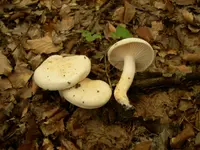
Matt woodwax (Hygrophorus penarius) is a gilled fungus, not a leafy houseplant, most often seen in woodlands and along forest edges. It produces sturdy, cream to pale buff caps with thick, waxy gills and a firm, fleshy stem, usually appearing in small scattered groups on soil rich in leaf litter. This species occurs mainly in temperate regions of Europe and parts of Asia, often associated with broadleaf trees. It is considered a choice edible in some areas, but identification must be confident, as with any wild mushroom. Those who want to learn how to care for matt woodwax in a garden or woodland setting generally focus on maintaining moist, undisturbed, humus-rich soil and adequate shade.

Care Difficulty
Moderate Care

Light Preference
Partial Shade

Water Requirements
Keep Soil Moist

Temperature Preference
Cool Climate

Hardiness Zone
Unknown

Soil Texture
Loamy, Silty, Organic-rich

Soil pH
Acidic (5.5–6.5), Slightly acidic (6.5–7.0)

Soil Drainage
Moist but well-drained

Fertilization
Minimal (feed rarely)
Scan your plant to receive care tips personalized for your specific plant
Available on iOS and Android
This woodland fungus prefers soft, filtered light rather than direct, open sun.
This mycorrhizal woodland fungus depends on evenly moist, not saturated, forest soil.
This species fruits best in cool to mild conditions typical of temperate woodlands.
This woodland mushroom prefers consistently moist, cool air but usually does not need special humidity control outdoors.
This fungus thrives in loose, well-aerated, organic-rich forest soil with steady moisture and moderate drainage.
This species is generally not suitable for container growing, as it relies on complex soil and root interactions in the ground.
This ectomycorrhizal fungus relies on its tree partner, so direct fertilizing of matt woodwax is usually unnecessary and can be harmful.
As a wild forest mushroom, Hygrophorus penarius is not pruned in the horticultural sense and needs no shaping or cutting.
This fungus grows in symbiosis with tree roots in soil, so repotting or transplanting attempts rarely succeed and are not advised.
Propagation of this wild ectomycorrhizal mushroom is technically complex and not practical for home growers.
In its natural range this forest fungus is cold hardy and needs no dedicated winter care from gardeners.

Plant Health Check
Not sure what's wrong with your plant? Check your plant's health inside the app.
This species typically fruits in late autumn, often appearing after many other woodland mushrooms have finished, and can tolerate fairly low soil temperatures at that time of year.
Hygrophorus penarius is strongly associated with heavy, often calcareous or clay-rich soils in deciduous woods, especially under beech and oak, rather than the lighter sandy substrates preferred by many other mushrooms.
The gills are thick, widely spaced, and have a distinct waxy texture, and they run noticeably down the stem (decurrent), which is a key diagnostic feature for field identification.

In several European countries this species has been considered a good edible mushroom and is traditionally collected in mixed deciduous forests, but it is not widely known or used in North America despite occurring there as well.
This fungus is considered edible in some European traditions when correctly identified and cooked, but quality is moderate. Only experienced foragers should collect it, as confusion with similar white mushrooms can lead to serious poisoning.
Keep your plants happy and healthy with plant identification, disease detection, and easy care guidance.