garlic waxcap Care (Hygrocybe helobia)

garlic waxcap

About garlic waxcap

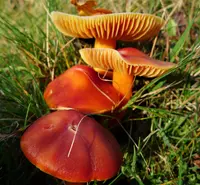
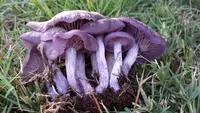
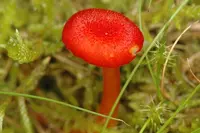
Garlic waxcap, Hygrocybe helobia, is a small grassland mushroom rather than a typical leafy houseplant. It produces slim, waxy caps in pale to bright yellow tones, often with a faint garlic-like smell when crushed.

This species usually appears in short, unimproved grasslands, lawns, and mossy ground, mainly in cooler, temperate regions of Europe. It tends to fruit in scattered groups rather than dense clusters.

Garlic waxcap is considered difficult to cultivate because it depends on complex soil and moss communities that are hard to reproduce in gardens or pots. For anyone wanting to learn how to care for garlic waxcap, it is mainly a species to observe in the wild rather than grow at home.

Main Plant Requirements

Care Difficulty

Hard Care

Light Preference

Partial Shade

Water Requirements

Keep Soil Moist

Temperature Preference

Cool Climate

Hardiness Zone

Unknown

Soil Texture

Loamy, Peaty, Organic-rich

Soil pH

Strongly acidic (4.5–5.5), Acidic (5.5–6.5)

Soil Drainage

Moist but well-drained

Fertilization

Minimal (feed rarely)

Get Personalized Care Plan

Scan your plant to receive care tips personalized for your specific plant

Available on iOS and Android

How to Care for the garlic waxcap

This grassland fungus prefers cool, gentle light rather than strong direct sun.

  • Provide bright, open shade or very light dappled sun, such as morning sun before 10–11 am, then shade for the rest of the day.
  • Aim for roughly 2–4 hours of weak, low-angle sun; prolonged strong midday sun can dry the turf and reduce fruiting of garlic waxcap.
  • In summer, protect from scorching by taller grasses; in autumn, when the sun is lower, slightly more exposure is usually beneficial.

This species depends on consistently moist but not waterlogged grassland soil.

  • Let the top 2–3 cm of turf start to feel only slightly dry before the next thorough soak, then moisten the root zone without pooling water.
  • Use free-draining, humus-rich soil so excess water runs off within a few minutes, reducing the risk of rot or sour, anaerobic conditions.
  • In dry summer spells, watch for dull, limp grass and shrinking caps as signs of underwatering; pale, waterlogged patches can signal overwatering.

This fungus thrives in cool, temperate conditions rather than sustained heat.

  • Optimal fruiting usually occurs around 50–60°F (10–16°C), typical of mild autumn conditions in many temperate grasslands.
  • The mycelium tolerates cool weather down to about 32°F (0°C), but repeated hard freezes below this can shorten the fruiting period.
  • Sustained heat above 77°F (25°C) with dry soil suppresses fruiting, so peak activity is expected in cooler, moist seasons rather than midsummer.

This fungus prefers consistently moist, cool air but does not depend on controlled indoor humidity.

  • Target 70–90% humidity in outdoor, sheltered, mossy or grassy microhabitats where moisture lingers after rain or dew.
  • Garlic waxcap declines in exposed, windy, sun-baked sites where air dries quickly and surface substrates desiccate.
  • Support higher humidity by retaining leaf litter, moss, and low vegetation that slow evaporation around the fruiting area.

Hygrocybe helobia develops best in moist, low-nutrient, undisturbed ground rather than intensively fertilized or worked soil.

  • Aim for a fine-textured, humus-rich but low-nutrient soil, often in old grassland or lightly wooded edges with natural litter.
  • Ensure soil stays moist yet not waterlogged; gentle slope or very shallow surface drainage is preferable to standing water.
  • Maintain soil pH in the mildly acidic to neutral range (about pH 5.5–7), avoiding heavy liming that drives pH strongly alkaline.
  • Improve structure by adding a thin surface layer of leaf litter or well-rotted, unfertilized organic matter rather than digging in compost.

This species is not suitable for conventional container growing, as it relies on complex soil and habitat conditions that pots cannot replicate reliably.

Hygrocybe helobia is a mycorrhizal woodland fungus that normally thrives without supplemental fertilizer in undisturbed, nutrient-poor soils.

Hygrocybe helobia does not require pruning, since the visible mushrooms are only temporary fruiting bodies of the underground fungus.

Transplanting Hygrocybe helobia is rarely successful, as the fungus depends on specific soil conditions and microbial partners.

  • Avoid disturbing established sites; the underground mycelium network is sensitive to soil disruption and compaction.
  • If relocation is attempted for study or conservation, move small intact soil plugs rather than bare fruiting bodies.
  • Time any move for cool, moist weather in autumn to limit desiccation stress on mycelium.
  • Maintain original soil structure and moisture after transplanting, shading the area and avoiding fertilizer or soil amendments.

Propagation of Hygrocybe helobia is challenging and not typically attempted by home growers, since it relies on complex soil and microbial relationships.

Garlic waxcap is naturally cold hardy in temperate climates and needs no special winter care in gardens or wild sites.

Care Tips

Habitat-style grouping

Establish colonies by inoculating several nearby mossy, short-grass patches in the same low-nutrient area, which helps maintain the stable, semi-natural sward structure this fungus prefers.

Minimal soil disturbance

Avoid rototilling, deep aeration, or frequent re-turfing in waxcap areas, since intact, compacted but well-drained turf supports the fine fungal network in the upper soil layer.

Nutrient input control

Exclude lawn fertilizers, compost topdressings, and regular pet urination from the fruiting area, because nutrient enrichment rapidly suppresses waxcap fruiting bodies over several seasons.

Mowing and traffic management

Mow the site high (7–10 cm) and less often, and divert heavy foot traffic in late summer to autumn so developing fruiting bodies are not damaged before spore release when growing garlic waxcap.

Moisture-conserving groundcover

Maintain a thin, continuous cover of fine grasses and moss rather than bare soil or thick thatch, as this combination buffers surface moisture and supports more reliable fruiting in autumn.

Common Pests and Diseases

Slug grazing

This pest feeds on the soft mushroom caps and stems, often leaving irregular holes, shredded margins, and slime trails on or around fruiting bodies. Damage is usually worst in damp, mild weather when slugs are most active.

Solution

Hand-pick slugs in the evening, use beer traps or simple pitfall traps, and reduce nearby debris or dense groundcover that shelters them. Where allowed, apply iron phosphate slug bait sparingly around, not on, the fruiting area to limit grazing without heavily disturbing the habitat.

Fungal parasitism

This disease occurs when other fungi colonize the fruiting bodies, causing distorted growth, off-color patches, or rapid collapse of caps and stems. Symptoms include abnormal textures, secondary mold-like growth, or premature decay compared with nearby healthy waxcaps.

Solution

Remove and dispose of visibly parasitized fruiting bodies to limit spread of spores in the immediate patch. Avoid disturbing the surrounding moss and grass structure, and maintain low nutrient input and gentle mowing so the waxcap community stays competitive and resilient, which is central to practical Hygrocybe helobia care.

Mite feeding damage

These insects are tiny soil or litter-dwelling arthropods that can chew or rasp at gills and cap surfaces, leading to pitted or scarred tissue and uneven spore production. Damage is usually subtle but can contribute to faster drying and decay of the mushrooms.

Solution

Minimize excessive disturbance of the turf and moss layer, which supports a balanced microfauna that helps keep mite populations in check. If damage is heavy in small, managed sites, gently remove and discard the most affected fruiting bodies and avoid using broad-spectrum insecticides that could disrupt beneficial soil organisms.

Interesting Facts

Garlic odor chemistry

When crushed or bruised, the fruitbodies release a distinct garlic-like smell caused by volatile sulfur-containing compounds, which is unusual among waxcap fungi.

Preference for wet soils

This species is typically found in very damp, often waterlogged soils such as seepage zones and flushes in grasslands or woodland edges, rather than the drier short turf favored by many other waxcaps.

Indicator of old habitats

Its presence in semi-natural, unimproved grasslands is used by mycologists as a signal of long-continuity, low-input habitats that have not been heavily fertilized or ploughed.

Botan icon

Did you know?

Unlike many fungi that form classic mycorrhizal partnerships with plant roots, this waxcap is thought to be associated with fine organic layers and moss-rich turf, fitting a broader pattern where many waxcaps occupy nutrient-poor, long-undisturbed grassland systems rather than living as typical soil decomposers.

FAQs about garlic waxcap

This fungus is generally considered inedible. It is small, thin-fleshed, and not used as food. Identification of waxcaps is difficult, so it is safest to avoid eating it or similar look-alike species.

Grow Healthy Plants with Botan Care

Keep your plants happy and healthy with plant identification, disease detection, and easy care guidance.

Botan plant care app — identify plants on mobile

Explore More Plants