Crimson waxcap Care (Hygrocybe punicea)

Crimson waxcap

About Crimson waxcap

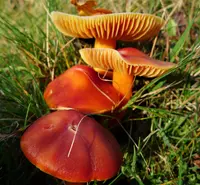
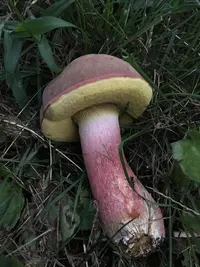
Crimson waxcap, Hygrocybe punicea, is a striking woodland fungus rather than a true garden plant. It produces thick, waxy caps in deep red to orange-red tones, often with a paler stem.

This species typically appears in unimproved grasslands, meadows, and open wood margins across parts of Europe and North America, usually in autumn. It relies on specific soil conditions and undisturbed habitats, which makes it difficult to cultivate and explains why how to care for Crimson waxcap is rarely discussed for home settings.

It prefers cool, moist, nutrient-poor, well-drained soils and clean, low-input sites. Because it depends on complex interactions with soil organisms, it is best appreciated in natural or semi-natural landscapes rather than as a managed garden feature.

Main Plant Requirements

Care Difficulty

Hard Care

Light Preference

Partial Shade

Water Requirements

Keep Soil Moist

Temperature Preference

Cool Climate

Hardiness Zone

5–9

Soil Texture

Loamy, Silty, Organic-rich

Soil pH

Strongly acidic (4.5–5.5), Acidic (5.5–6.5)

Soil Drainage

Moist but well-drained

Fertilization

Minimal (feed rarely)

Get Personalized Care Plan

Scan your plant to receive care tips personalized for your specific plant

Available on iOS and Android

How to Care for the Crimson waxcap

This grassland fungus prefers cool, moist sites with gentle light rather than strong, direct sun.

  • Provide bright, dappled light or light partial shade, with 2–4 hours of gentle morning sun and protection from harsh midday sun.
  • Site Crimson waxcap in open woodland edges or north/east-facing grassland where taller plants or grasses break direct rays.
  • Too much strong sun dries the soil surface and fruiting bodies; too little light in dense shade reduces fruiting and overall vigor.

This species relies on consistently moist, but not waterlogged, soil in grassland or light woodland settings.

  • Aim for soil that feels lightly moist at 2–3 cm depth; allow only the surface to dry slightly between natural rain events or supplemental watering.
  • Improve drainage with a well-structured, crumbly soil so Hygrocybe punicea does not sit in standing water, which increases rot risk.
  • Watch caps and surrounding grass: drying, brittle turf suggests underwatering, while persistent puddles, slimy patches, or foul odor indicate excess moisture.

This fungus is adapted to cool, temperate climates and fruits best in mild conditions.

  • Optimal activity and fruiting occur around 45–65°F (7–18°C), typical of cool, moist autumn weather in many temperate regions.
  • It tolerates brief drops close to 32°F (0°C), but repeated hard frosts below 28°F (-2°C) can damage fruiting bodies and shorten their lifespan.
  • Sustained heat above 75°F (24°C), especially with dry soil, suppresses fruiting; provide shade and moisture during hot spells to reduce stress.

This fungus is not typically cultivated, and ambient outdoor humidity is usually sufficient for fruiting bodies.

Hygrocybe punicea is a grassland fungus that depends on undisturbed, specific field conditions rather than a conventional garden soil mix.

  • Fruits best in short, unimproved grassland with thin, moderately moist, well-drained turf rather than deep, fertile beds.
  • Prefers low-nutrient, often slightly acidic to neutral mineral soils; heavy fertilization or rich compost suppresses fruiting.
  • Avoid compacted, waterlogged, or highly amended soils, as these disrupt the fine root and microbial environment it associates with.
  • Management focuses on maintaining low-input grassland (no added manure, minimal disturbance) instead of mixing substrates in a container.

This species is not suitable for container growing and is normally maintained only by conserving its natural grassland habitat.

Hygrocybe punicea is a wild, mycorrhizal fungus that does not benefit from direct fertilization in garden or container settings.

Hygrocybe punicea does not require pruning in the usual horticultural sense, since the visible mushroom is only a temporary fruiting body.

This fungus is not suited to conventional repotting, as Hygrocybe punicea depends on undisturbed soil and specific grassland communities.

  • Avoid lifting or transplanting clumps, since disturbing the soil can interrupt the underground mycelium network.
  • If managing a grassland, maintain low nutrient levels by removing cuttings instead of adding compost or fertilizer.
  • Focus on preserving the existing habitat rather than moving organisms to new locations.
  • For those interested in growing Crimson waxcap, support extensive, unimproved grass areas instead of using pots.

Propagation of Hygrocybe punicea is complex and usually left to natural spore dispersal in suitable habitats.

No special winter care is needed, as this waxcap is adapted to natural outdoor conditions in temperate climates.

Care Tips

Host grass management

Maintain a low, patchy sward of fine grasses by mowing high and removing clippings, as this open structure favors mycelium spread and fruiting body formation.

Reduce nutrient inputs

Avoid fertilizer, compost, and manure on the site and remove autumn leaves from the surface so the habitat stays low in nutrients, which is essential for waxcap-rich turf.

Soil compaction control

Limit foot and machinery traffic over known fruiting areas, especially in wet weather, because soil compaction restricts air spaces and can sharply reduce mushroom production.

Seasonal mowing timing

Delay mowing from late summer through the end of the fruiting season and only cut once the caps have collapsed, so spores have time to disperse and replenish the population when growing Crimson waxcap.

Careful site introduction

If attempting to establish this species in new grassland, move only small plugs of turf from an existing fruiting site to a similar low-nutrient lawn and keep the orientation and depth exactly the same to minimize mycelium stress.

Common Pests and Diseases

Habitat disturbance

Symptoms include rapid disappearance or failure of fruiting in sites where the fungus previously appeared, often following changes in grassland use or soil structure. This issue reflects the strong dependence of the crimson waxcap on stable, unimproved grassland conditions.

Solution

Maintain low-nutrient, unimproved grassland with light, regular mowing or grazing and removal of clippings, and avoid plowing, reseeding, or heavy machinery that compacts soil. Prevent fertilizer, manure, and herbicide inputs, and protect known fruiting areas from physical disturbance to support long-term growing Crimson waxcap success.

Nutrient enrichment

This disease-like condition presents as a long-term decline or absence of fruiting where grassland has been enriched with fertilizer, manure, or nutrient-rich runoff. Waxcaps are adapted to low-nutrient soils, so enriched conditions disadvantage their growth.

Solution

Stop all fertilization and manure application in areas where the fungus is expected, and divert nutrient-rich runoff away from the site. Over several years, remove grass clippings and encourage low-intensity grazing or mowing to slowly reduce nutrient levels and restore suitable conditions.

Soil compaction

This problem reduces air and water movement in the upper soil layer, leading to sparse or absent fruiting bodies and poor mycelial development. Heavy foot traffic, vehicles, or livestock poaching often cause these changes in grassland habitats.

Solution

Reduce or reroute footpaths and vehicle access over known waxcap sites, and manage stocking density to prevent poaching in wet periods. Where possible, rest compacted areas, encourage turf recovery, and avoid working the soil to allow natural structure and pore spaces to rebuild.

Slug and snail grazing

This pest damage appears as irregular bites, missing caps, or rapid deterioration of young fruiting bodies soon after emergence. These mollusks are attracted to moist, fleshy mushrooms and can remove specimens before they fully develop.

Solution

Hand-remove slugs and snails during damp periods and use physical barriers such as copper tape or coarse grit around critical monitoring or study patches. Avoid general slug pellets in conservation areas; if needed, use iron phosphate products sparingly and only outside key fruiting zones.

Mower and trampling damage

Symptoms include sliced, shredded, or flattened fruiting bodies in lawns and grasslands during the fruiting season. Frequent low cutting at the wrong time can remove developing mushrooms before they mature and release spores.

Solution

Adjust mowing schedules to a higher cut or reduced frequency during the main fruiting period, and mark known fruiting spots so operators can raise blades or avoid them. In high-footfall areas, create clear paths to concentrate traffic and protect the most active waxcap zones from repeated trampling.

Interesting Facts

Largest scarlet waxcap

This species is one of the largest of the waxcap fungi, with robust, fleshy fruiting bodies that can reach cap diameters of 5–12 cm, noticeably bigger than most related Hygrocybe species found in the same grasslands.

Pasture specialist fungus

It typically occurs in old, unfertilized grasslands and pastures in Europe and parts of North America, serving as an indicator of long-continuity, low-intensity managed grassland ecosystems with low nutrient input.

Color-changing with age

The caps start bright red to crimson and often fade to orange-red or yellowish tones as the fruiting body ages or dries, a change caused by the breakdown and redistribution of red carotenoid-like pigments in the tissues.

Botan icon

Did you know?

In several European countries, this species is listed on regional or national Red Lists of threatened fungi because of the decline of traditional low-input grasslands, making it a flagship species for conservation of waxcap-rich meadows.

FAQs about Crimson waxcap

This waxcap is generally regarded as edible but not widely collected due to its rarity and conservation interest. Identification must be certain, as some similar red waxcaps are less desirable. Foragers are encouraged to leave fruiting bodies in place.

Grow Healthy Plants with Botan Care

Keep your plants happy and healthy with plant identification, disease detection, and easy care guidance.

Botan plant care app — identify plants on mobile

Explore More Plants