Small Clam Lichen Care (Carbonicola anthracophila)

Small Clam Lichen

About Small Clam Lichen

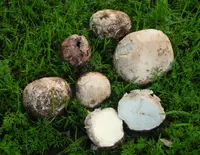
Small clam lichen, Carbonicola anthracophila, is a crustose lichen that grows tightly attached to burned wood and old charcoal, often on former campfire sites or fire-damaged trees. It forms small, shell-like discs that can look slightly glossy and are usually pale to dark gray or brown.

This species is naturally found in temperate regions, especially where historic fires have left charred substrates. It relies on clean air and stable, undisturbed surfaces, which makes it slow to establish and unsuitable for most typical houseplant settings.

Those interested to care for Small Clam Lichen usually work in outdoor, naturalistic setups with controlled moisture, indirect light, and a reliably cool, well-ventilated environment.

Main Plant Requirements

Care Difficulty

Moderate Care

Light Preference

Partial Shade

Water Requirements

Moderate Water

Temperature Preference

Cool Climate

Hardiness Zone

Unknown

Soil Texture

Rocky, Sandy

Soil pH

Acidic (5.5–6.5)

Soil Drainage

Well-drained

Fertilization

Minimal (feed rarely)

Get Personalized Care Plan

Scan your plant to receive care tips personalized for your specific plant

Available on iOS and Android

How to Care for the Small Clam Lichen

This lichen prefers bright, open conditions but not intense, baking sun all day.

  • Aim for 4–6 hours of direct morning sun with light shade or filtered light in the afternoon to prevent desiccation of Small Clam Lichen thalli.
  • Allow partial shade (especially in summer); in woodland edges or rock surfaces, dappled light for most of the day supports steady growth.
  • Avoid deep shade, which slows photosynthesis and color development, and avoid highly reflective, all-day sun that can overheat dark substrates.

This species is adapted to natural wet–dry cycles rather than frequent, controlled watering.

  • In cultivation on a substrate, allow the surface to dry completely, then lightly mist until just damp; avoid saturating the base or creating standing water.
  • Reduce misting frequency during cool seasons and periods of low light, as evaporation slows and excess moisture encourages algal overgrowth.
  • Signs of overwatering include slimy or greenish film and loss of texture; severe crisping and brittle fragments suggest prolonged drought beyond its normal tolerance.

This lichen is cold hardy but still benefits from moderate, stable temperatures during active growth.

  • Optimal growth typically occurs around 50–68°F (10–20°C), conditions often found in cool, temperate climates on charred wood or similar substrates.
  • It tolerates short dips down to about 14°F (-10°C) once established, but repeated freeze–thaw with waterlogged surfaces can damage the thallus.
  • High summer heat above 86°F (30°C), especially with intense sun and low humidity, increases desiccation risk, so some shade and airflow help moderate temperature stress.

Humidity is not a major factor for Carbonicola anthracophila, which naturally tolerates exposed, dry conditions.

This lichen is specialized for very open, mineral, low-organic substrates rather than typical potting soil.

  • Mimic its natural habitat by using a gritty, sandy mix with almost no organic matter, such as sharp sand mixed with fine gravel or crushed stone.
  • Ensure extremely rapid drainage; water must run through immediately with no pooling or persistent damp layer around the thallus.
  • Aim for slightly acidic to neutral conditions around pH 5.5–7.0, avoiding limed or strongly alkaline substrates that can inhibit growth.
  • Avoid dense, peat-heavy or clay-based mixes, which retain moisture and reduce aeration around the lichen surface.

This species is not well suited to conventional container growing but can be maintained experimentally on inert substrates in shallow dishes or trays.

  • Use wide, shallow, heavy containers that resist tipping and allow the lichen to spread across the surface rather than grow in depth.
  • Fill the container with a thin layer of inert mineral material over drainage holes so water drains immediately and does not collect below.
  • Place the container in a permanently open, well-ventilated position to keep the mineral substrate dry between brief, light wettings when caring for Small Clam Lichen.

This crustose lichen grows on nutrient-poor, often burned substrates and generally does not need additional fertilizer for healthy development.

Pruning is not part of routine care for Carbonicola anthracophila, as it forms thin crusts tightly attached to bark or charred wood.

This species is typically left undisturbed on its natural bark or charred-wood substrates rather than moved or repotted.

  • Transplant only if a host branch or bark piece must be relocated, keeping the original surface intact.
  • Move material during mild, stable weather to limit desiccation stress.
  • Handle the substrate, not the lichen itself, to avoid tearing the thallus.
  • After relocation, keep exposure and moisture conditions as similar as possible to the original site.

Propagation of this lichen is slow, specialized, and rarely attempted outside research or conservation projects, so home propagation is not recommended.

In its natural range this lichen is cold hardy and usually needs no special winter care when left on outdoor substrates.

Care Tips

Select Suitable Substrate

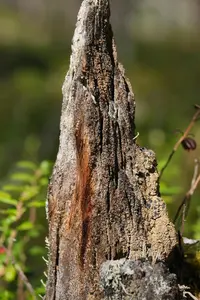
Establish colonies only on old, stable, fire-blackened bark or wood, as this lichen is specialized for charred substrates and will not persist on fresh, unburned material.

Mimic Post-Fire Light

Position host branches or logs in a bright, open location with good air movement to simulate post-fire forest conditions that this species naturally occupies.

Avoid Nutrient Enrichment

Keep the surrounding area free from fertilizer drift, compost leachate, or road runoff, since added nutrients can favor algae and moss that overgrow and shade this lichen.

Limit Handling Contact

Handle substrate pieces by their uncolonized edges and avoid touching the thallus surface, as oils and pressure from fingers can crush the delicate tissues and slow recovery.

Use Gentle Misting

If conditions are very dry, briefly mist the substrate surface with soft, low-mineral water and allow it to dry completely between events, which supports photosynthesis without promoting competing moss growth when caring for Small Clam Lichen.

Common Pests and Diseases

Air pollution damage

Symptoms include reduced growth, bleaching, or loss of thallus on heavily polluted or chemically exposed substrates such as treated fire sites or industrial soot. This condition reflects sensitivity of the lichen to elevated sulfur, nitrogen oxides, or other airborne contaminants.

Solution

Reduce or avoid exposure to fresh combustion fumes, chemical cleaners, de-icing salts, and industrial exhaust where possible, and preserve only on naturally weathered, stable burned substrates. Improving local air quality and avoiding repeated disturbance of the colony are the main practical steps in Carbonicola anthracophila care instructions.

Desiccation stress

This condition develops when the lichen remains dry for extended periods on exposed charcoal surfaces, leading to brittleness, fading color, and loss of attachment. This stress is more likely on vertical or very open fire sites with high sun and wind exposure.

Solution

Protect colonies from extreme, continuous drying by maintaining some surrounding vegetation or coarse debris that moderates wind and sun, without burying the lichen. Avoid scraping, brushing, or relocating dry thalli; if observing it in situ, limit handling so natural wet–dry cycles can proceed undisturbed.

Physical abrasion

Symptoms include fragmented, torn, or missing thallus where fire sites are trampled, raked, or frequently disturbed by equipment or foot traffic. This damage prevents normal growth and can remove the lichen completely from its charcoal substrate.

Solution

Minimize traffic directly over occupied charcoal, and avoid raking, sweeping, or brushing surfaces where the lichen is present. In managed areas, use markers, small barriers, or alternative access paths to keep people and tools away from colonies so remaining thalli can grow undisturbed.

Interesting Facts

Charcoal specialist

This lichen grows almost exclusively on old, fire-blackened wood and charcoal in burnt forest sites, making it a strong indicator of past wildfires in a habitat.

Late colonizer

It typically appears several years after a fire event, once other early pioneer lichens and fungi have begun to stabilize the charred surface.

Soot-colored thallus

Its small, dark, granular thallus blends closely with charred substrates, so it is often overlooked unless examined carefully with a hand lens when studying Carbonicola anthracophila care instructions in natural habitats.

Botan icon

Did you know?

This species has a predominantly Northern and Central European distribution and is closely tied to traditional woodland burning and charcoal production sites, so its occurrence can reflect long-term human influence on forest fire regimes.

FAQs about Small Clam Lichen

This species is not suited to typical indoor culture. It naturally grows on old, charred wood outdoors where light, airflow, and humidity fluctuate. For realistic results, focus on outdoor conditions rather than Small Clam Lichen indoor care.

Grow Healthy Plants with Botan Care

Keep your plants happy and healthy with plant identification, disease detection, and easy care guidance.

Botan plant care app — identify plants on mobile

Explore More Plants