Pale Brittlestem Care (Candolleomyces candolleanus)

Pale Brittlestem

About Pale Brittlestem

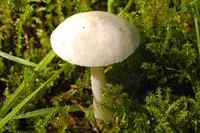
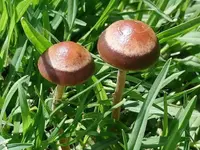
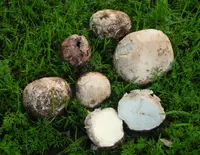
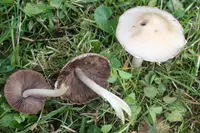
Pale Brittlestem, Candolleomyces candolleanus, is a small saprobic mushroom that lives on decaying organic matter rather than forming typical leafy shoots or roots. It produces fragile, pale to cream caps with slender stems that appear in clusters, often after rain.

This fungus is widespread in temperate regions and often shows up in lawns, garden beds, mulched areas, and woodland edges. It usually emerges briefly, then collapses as the delicate caps dry.

Because it relies on naturally occurring organic debris, it cannot be reliably cultivated like houseplants or vegetables, so attempts to care for Pale Brittlestem at home are rarely successful.

In nature it prefers moist, humus-rich substrates with moderate shade, where it helps break down plant litter and recycle nutrients into the soil.

Main Plant Requirements

Care Difficulty

Moderate Care

Light Preference

Partial Shade

Water Requirements

Keep Soil Moist

Temperature Preference

Cool Climate

Hardiness Zone

Unknown

Soil Texture

Loamy, Organic-rich

Soil pH

Slightly acidic (6.5–7.0)

Soil Drainage

Moist but well-drained

Fertilization

Minimal (feed rarely)

Get Personalized Care Plan

Scan your plant to receive care tips personalized for your specific plant

Available on iOS and Android

How to Care for the Pale Brittlestem

Candolleomyces candolleanus is a woodland fungus that fruits best under low to moderate natural light rather than direct sun exposure.

  • Provide full shade to dappled or filtered light, such as under trees or shrubs, with no more than 1–2 hours of gentle morning sun per day.
  • Avoid strong midday or afternoon sun, which can rapidly dry the substrate and cause fruiting bodies to shrivel or fail to develop.
  • Site areas for Pale Brittlestem where summer canopy cover increases shade, as exposed winter or early spring sun can over-dry leaf litter and woody debris.

This species relies on consistently moist, not waterlogged, organic substrates to form and sustain its fruiting bodies.

  • Check that leaf litter or wood debris stays evenly damp 2–5 cm deep; if managing a habitat bed, add water only when the surface and just below feel slightly dry to the touch.
  • Ensure excellent drainage so excess water can run off; sour, stagnant, or foul-smelling substrate indicates chronic overwatering and poor aeration.
  • In warm, dry spells, moisture may need topping up every few days, while in cool, wet seasons natural rainfall is usually enough if the substrate does not fully dry out or crack.

This fungus fruits most reliably in mild, temperate conditions with moderate humidity and non-extreme temperatures.

  • Optimal fruiting typically occurs around 55–70°F (13–21°C), often in spring or fall when days are cool and nights are slightly colder.
  • The mycelium in soil and woody debris can tolerate near-freezing air temperatures down to about 32°F (0°C), but visible fruiting bodies are damaged or lost by hard frost.
  • Sustained heat above 80–85°F (27–29°C) quickly dries surface substrates, so shaded, humid microhabitats help maintain growth during hotter periods.

This saprophytic mushroom does not need humidity control in typical outdoor garden settings.

Candolleomyces candolleanus develops best in loose, organic-rich ground that stays evenly moist but not waterlogged.

  • Use a crumbly, humus-rich substrate such as decomposing leaf litter mixed with loamy garden soil to mimic woodland conditions.
  • Ensure excess water drains away freely; standing water or compacted clay strongly reduce fruiting and promote anaerobic conditions.
  • Aim for slightly acidic to neutral conditions around pH 6.0–7.0, avoiding highly alkaline or limed areas where fungal activity may decline.
  • Improve aeration and drainage in heavier soils by incorporating shredded bark, coarse compost, and a small amount of coarse sand rather than fine sand.

This species is not well suited to container growing and is better encouraged in the ground or in natural mulch beds.

Candolleomyces candolleanus is a saprobic fungus that obtains nutrients from decaying organic matter and does not need conventional fertilizing.

Candolleomyces candolleanus produces short-lived fruiting bodies that collapse naturally and do not benefit from structured pruning.

This fungus is not managed like a potted plant; management focuses on its woody substrate rather than true repotting.

  • Treat any move as relocating colonized wood or mulch, not transplanting individual mushrooms.
  • If shifting habitat, move a chunk of colonized material in cool, moist weather to limit drying stress.
  • Place the material in a similar shady, evenly moist site with abundant decaying wood or woody mulch.
  • Avoid disturbing the mycelium network; handle pieces gently and keep them from overheating or drying out.

Candolleomyces candolleanus spreads itself by spores and through its underground mycelium, so intentional propagation is rarely practical or necessary.

In typical garden and woodland settings, this species is naturally cold hardy and needs no special winter care.

Care Tips

Substrate inoculation

Introduce small pieces of colonized wood chips or leaf litter into fresh, similar substrate to extend the mycelium and maintain a stable fruiting area for several seasons when growing Pale Brittlestem.

Moisture buffering layer

Add a thin top layer (1–2 cm) of partially decomposed leaf litter over the main substrate to slow evaporation, protect surface mycelium, and reduce the risk of fruitbody collapse after short dry spells.

Gentle harvest method

Twist and lift mushrooms gently at the base rather than raking or pulling up clumps, then lightly refill any holes with moist substrate to avoid damaging the underlying mycelial network.

Substrate rotation

Rotate or renew part of the woody debris or composted leaf layer every 1–2 years instead of replacing everything at once so the fungus always has overlapping zones of fresh and well-colonized material.

Targeted slug management

Use beer traps, copper tape, or hand-picking in the evening near fruiting zones instead of broad slug pellets, which helps protect young fruitbodies without disrupting soil invertebrates that aid decomposition.

Common Pests and Diseases

Fungal gnat larvae

This pest uses the moist, organic-rich substrate around the fungi as a breeding site, and the larvae feed on decaying tissue and mycelium. Symptoms include small black adult gnats flying around the substrate and delicate fruiting bodies collapsing prematurely.

Solution

Reduce surface moisture by allowing the upper substrate layer to dry slightly between heavy waterings of nearby plants, remove heavily infested debris, and use sticky yellow traps to catch adults. A biological control such as Bacillus thuringiensis israelensis (BTI) in water can be applied to the surrounding substrate to target larvae without harming the mushrooms more than necessary.

Mite infestation

These insects are actually tiny arachnids that thrive on damp fungal tissue, feeding on gills and caps and causing pitting, scarring, or deformed fruiting bodies. Symptoms include a dusty or grainy movement on caps under magnification and rapid decline of affected mushrooms.

Solution

Discard heavily infested clumps of mushrooms and surrounding debris, then reduce excess moisture and improve airflow at ground level to make conditions less favorable. In enclosed or indoor situations, use sticky cards to monitor, and if needed, apply a targeted horticultural oil mist to non-fruiting surrounding surfaces only, avoiding direct contact with the mushrooms intended for observation or study.

Mycophagous springtails

This pest is a small, moisture-loving insect that jumps when disturbed and feeds on fungal hyphae and soft tissues. Symptoms include tiny white or gray jumping dots on and around the base of the clusters, with slow thinning or collapse of delicate fruiting bodies in very dense populations.

Solution

Limit standing water and saturated mulch where possible, and gently remove heavily colonized debris around the mushrooms. Encouraging better surface drainage and briefly lifting mulch to dry will usually lower their numbers; chemical controls are rarely necessary and often more harmful than helpful for growing Pale Brittlestem habitats.

Parasitic hypocrealean fungi

This disease is caused by competing fungi that parasitize the fruiting bodies and mycelium, leading to distorted, stunted, or partially overgrown mushrooms. Symptoms include abnormal surface growths, discoloration, or cottony or crusty patches on or around the caps and stems.

Solution

Remove and discard affected mushrooms and the immediately surrounding substrate to slow spread of the parasite. Avoid adding extra nitrogen-rich organic matter directly on top of colonized areas, and keep disturbance low so that the existing Candolleomyces network is not further stressed while it competes with the parasitic fungus.

Bacterial blotch

This disease develops on moist caps that remain wet for extended periods, creating water-soaked, slimy, or darkened spots that can spread across the fruiting body. Symptoms include slippery surfaces, unpleasant odor, and rapid decay of affected mushrooms under warm, humid conditions.

Solution

Improve air movement at the soil surface and avoid overhead irrigation or splashing water that keeps caps wet for long periods. Remove and dispose of blotched mushrooms quickly and, in cultivated or monitored sites, adjust watering so that moisture reaches the substrate without persistently wetting the fruiting bodies.

Interesting Facts

Short-lived fruiting bodies

The mushrooms of this species are very ephemeral and often collapse or disappear within a day, especially in dry or sunny weather, even though the underground mycelium persists much longer.

Saprotroph on woody debris

This species is a saprotrophic fungus, meaning it feeds on dead organic matter, and it is frequently found on buried wood, wood chips, and other lignin-rich debris where it helps break down complex plant tissues.

Distinctive fragile stem

The stems are notably brittle and hollow, snapping easily when handled, which contributes to the common name pale brittlegill and helps distinguish it from more robust lawn and woodland mushrooms.

FAQs about Pale Brittlestem

This mushroom is generally considered inedible or of very poor culinary value. Identification is difficult for non-experts, and confusion with toxic lookalikes is possible, so it is safest not to harvest or eat it.

Grow Healthy Plants with Botan Care

Keep your plants happy and healthy with plant identification, disease detection, and easy care guidance.

Botan plant care app — identify plants on mobile

Explore More Plants