Use clean substrate
Prepare small trays or boxes with freshly sterilized hardwood sawdust or a low-nutrient composted wood mix to reduce competing fungi and bacteria before introducing spawn.

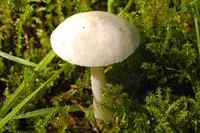
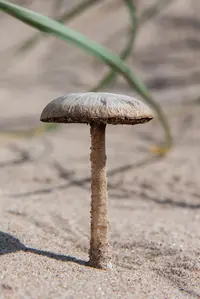
Bearded dapperling, Cystolepiota seminuda, is a small saprophytic mushroom that feeds on decaying organic matter rather than photosynthesizing like a typical green plant. It usually appears as delicate, slender fruiting bodies with scaly caps and thin stems.
This species is most often found in woodlands, forest litter, and sometimes garden beds in temperate regions, emerging in moist conditions. It is not considered an easy species to cultivate intentionally, as it relies on specific decomposing substrates and stable humidity.
General preferences include cool to mild temperatures, consistent moisture, and rich organic debris instead of regular potting soil, so practical how to care for bearded dapperling at home is limited.

Care Difficulty
Hard Care

Light Preference
Shade

Water Requirements
Keep Soil Moist

Temperature Preference
Cool Climate

Hardiness Zone
Unknown

Soil Texture
Loamy, Silty, Organic-rich

Soil pH
Acidic (5.5–6.5), Slightly acidic (6.5–7.0)

Soil Drainage
Moist but well-drained

Fertilization
Minimal (feed rarely)
Scan your plant to receive care tips personalized for your specific plant
Available on iOS and Android
This small woodland fungus prefers cool, shaded conditions rather than direct sun exposure.
This species relies on consistently moist, well-aerated organic substrate rather than direct watering of the fruiting bodies.
This fungus is adapted to mild, temperate woodland conditions and avoids temperature extremes.
This wood-decaying fungus copes well with outdoor humidity variation, so moisture in the substrate matters more than air humidity.
This saprophytic fungus prefers loose, organic-rich substrates that mimic decaying forest litter rather than conventional garden soil.
This species is not well suited to long-term container culture, as it naturally fruits from decomposing organic matter on the ground.
This wild saprophytic fungus normally gains nutrients from decaying organic matter and does not need added fertilizer in typical garden or woodland settings, so caring for bearded dapperling focuses on habitat rather than feeding.
Cystolepiota seminuda does not require pruning, as each mushroom fruiting body is short-lived and naturally decomposes in place.
This species is not managed as a container or landscape plant, so transplanting focuses on carefully relocating substrate rather than individual Cystolepiota seminuda fruiting bodies.
This fungus is not typically propagated intentionally, as Cystolepiota seminuda spreads itself by spores and mycelial growth in suitable decaying organic matter.
No special winter care is required, as this small saprophytic fungus completes fruiting cycles naturally and persists as mycelium in organic debris.

Plant Health Check
Not sure what's wrong with your plant? Check your plant's health inside the app.
This species forms very small fruiting bodies, typically with caps only about 1–2 cm wide, covered in fine, mealy or scaly granules that give a frosted appearance when young.
It commonly appears on nutrient-rich soil, leaf litter, or compost-like substrates in gardens, parks, and woodland edges, reflecting a preference for decomposing organic matter with relatively high nitrogen content.
Accurate identification relies heavily on microscopic characters such as small, smooth, non-amyloid spores and distinctive granular structures on the cap and stem, since it can look very similar to other tiny white lepiotoid mushrooms in the field.
This small mushroom is not recommended for consumption. Identification within this group is difficult, and related species are toxic. For safety, treat it as inedible and avoid tasting, handling for food, or feeding to others.
Keep your plants happy and healthy with plant identification, disease detection, and easy care guidance.