Substrate rotation
Rotate cultivation areas or swap out container substrate every 1–2 years to reduce buildup of competing fungi and soil fatigue, which helps maintain reliable fruiting when growing Lepista tarda.

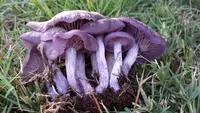
Lepista tarda is a small terrestrial mushroom-forming fungus rather than a typical leafy plant. It produces low, often pale to brownish caps with gills underneath and usually appears in groups on soil or leaf litter.
This species is recorded from temperate regions, especially in woodlands and grassy edges where organic matter is abundant. Its main traits for cultivation difficulty are its need for the right fungal host environment and specific soil biology, which makes deliberate home growing challenging.
Most gardeners encounter it as a spontaneous fungus rather than something to actively cultivate, so information on how to care for Lepista tarda in managed settings is limited.

Care Difficulty
Moderate Care

Light Preference
Partial Shade

Water Requirements
Moderate Water

Temperature Preference
Cool Climate

Hardiness Zone
Unknown

Soil Texture
Loamy, Sandy, Organic-rich

Soil pH
Acidic (5.5–6.5)

Soil Drainage
Moist but well-drained

Fertilization
Minimal (feed rarely)
Scan your plant to receive care tips personalized for your specific plant
Available on iOS and Android
This species prefers bright, cool woodland-style light rather than intense open sun.
Moist but not waterlogged soil is essential for reliable fruiting of this fungus.
Cool to mild conditions support the best development and fruiting of this species.
This species prefers moderately moist air but adapts to typical indoor humidity.
Lepista tarda develops best in loose, organic-rich substrates with steady moisture and free drainage.
This fungus is not well suited to ornamental container growing, but can be managed in controlled culture tubs for experimentation.
This woodland fungus relies mainly on natural soil nutrients, so extra feeding for Lepista tarda is usually unnecessary.
As a mushroom-forming fungus, Lepista tarda does not require pruning in the horticultural sense.
This species is a ground-dwelling fungus, so attention focuses on site and substrate rather than classic repotting.
Instead of conventional plant propagation, this fungus spreads via spores and expansion of its mycelium in the soil.
This temperate woodland fungus is naturally cold hardy and normally needs no deliberate winter care.

Plant Health Check
Not sure what's wrong with your plant? Check your plant's health inside the app.
This saprotrophic fungus commonly fruits in short grasslands, lawns, and park edges in autumn, often forming scattered groups rather than large rings, which helps distinguish it from some other meadow fungi.
The fruitbodies often show faint lilac to violet tones, especially on the gills and upper stem when fresh, a feature that can fade to buff or grey-brown as the mushroom ages or dries.
It is easily confused with related Lepista and Clitocybe species, including some considered inedible, so reliable identification depends on a combination of cap color, gill tone, spore print, smell, and habitat rather than a single field character.
This mushroom is generally considered edible when correctly identified and thoroughly cooked, but misidentification with toxic look‑alikes is a serious risk. Only eat specimens verified by an experienced mycologist and avoid collecting from polluted or treated sites.
Keep your plants happy and healthy with plant identification, disease detection, and easy care guidance.