Peruvian daffodil Care (Hymenocallis harrisiana)

Peruvian daffodil

About Peruvian daffodil

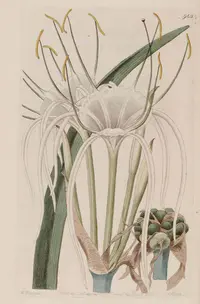
Peruvian daffodil (Hymenocallis harrisiana) is a bulb-forming perennial known for its striking white, spider-like flowers with a central cup and long, narrow petals. It usually grows in clumps of upright, strap-shaped leaves that die back after flowering.

This species is native to warm regions of South America, where it grows in well-drained, often sandy soils with good light. The plant is moderately easy to grow if its bulb is kept dry when dormant and protected from frost.

It prefers bright light, slightly moist but not waterlogged soil, and good air movement. Understanding how to care for Peruvian daffodil helps maintain regular flowering and healthy bulbs over many years.

Main Plant Requirements

Care Difficulty

Moderate Care

Light Preference

Full Sun

Water Requirements

Regular Water

Temperature Preference

Tropical / Frost Sensitive

Hardiness Zone

9–11

Soil Texture

Sandy, Loamy, Organic-rich

Soil pH

Acidic (5.5–6.5), Slightly acidic (6.5–7.0)

Soil Drainage

Moist but well-drained

Fertilization

Moderate (every 2–4 weeks)

Get Personalized Care Plan

Scan your plant to receive care tips personalized for your specific plant

Available on iOS and Android

How to Care for the Peruvian daffodil

This bulb prefers bright, gentle light that mimics open woodland or lightly shaded garden conditions.

  • Provide 4–6 hours of direct morning sun with light shade or filtered light in the afternoon, especially in hot summer climates.
  • Allow light partial shade; Peruvian daffodil will flower less in deep shade and may produce weak, floppy leaves if light is below about 3–4 hours.
  • Avoid harsh, all‑day midday sun, which can scorch foliage; in summer, protect with dappled shade while ensuring the site stays bright overall.

Watering should support active growth while protecting the bulb from prolonged saturation.

  • During active growth, water when the top 3–5 cm of soil feel dry, aiming for consistently moist but not soggy soil around the roots and bulb.
  • Ensure sharply draining soil or raised beds so excess water runs off; standing water increases risk of bulb rot and yellowing, mushy leaves.
  • Reduce watering as foliage begins to yellow and die back; in dormancy keep soil barely moist, watching for shriveling bulbs or crisp, folding leaves as signs of underwatering.

This species thrives in warm, frost‑free conditions and reacts quickly to cold extremes.

  • Aim for 65–80°F (18–27°C) during active growth for strong foliage and reliable flowering.
  • Protect from temperatures below 40°F (4°C); bulbs are damaged by frost and should be lifted or heavily mulched where winters drop below freezing.
  • Tolerates short heat waves up to about 90–95°F (32–35°C) if soil moisture and light shade are provided, but prolonged extreme heat can slow growth and scorch leaves.

This species prefers moderately humid air but usually adapts to most household conditions.

  • Aim for 40–60% humidity, especially during active growth and flowering for Peruvian daffodil.
  • Dry air can cause brown, crisp leaf tips and reduced flowering, even if watering is correct.
  • Increase humidity by grouping plants, placing the pot on a pebble tray with water below the base, or using a small room humidifier nearby.

Soil for this bulb must drain quickly yet hold moderate, even moisture during growth.

  • Use a loose, airy mix such as 2 parts loam or all‑purpose potting mix, 1 part coarse sand, and 1 part perlite or fine bark.
  • Ensure very sharp drainage so water moves through within seconds, protecting bulbs from rot in Hymenocallis harrisiana.
  • Keep pH slightly acidic to neutral, around 6.0–7.0, which suits root and nutrient uptake.
  • Avoid heavy clay, peat‑only, or compacted mixes that stay wet, and break up any dense areas to improve aeration.

This species is well suited to container growing when the pot supports its bulb and tall foliage.

  • Choose a pot only 2–3 in wider than the cluster of bulbs so the plant flowers well and excess mix does not stay wet.
  • Use a deep, weighty container so the tall, narrow leaves do not tip the pot in wind or on balconies.
  • Ensure a drainage layer of coarse material stays above, not blocking, the drainage holes so water exits quickly while mix remains evenly moist.

This bulb benefits from moderate feeding to support strong foliage and flower production in Hymenocallis harrisiana care.

  • Use a balanced liquid fertilizer (such as 10-10-10) at 1/2 strength every 2–4 weeks during active growth in spring and summer.
  • Alternatively, apply a slow-release granular fertilizer or a thin layer of compost at the start of the growing season.
  • Avoid high-nitrogen lawn fertilizers, which push soft foliage at the expense of flowers.
  • Stop feeding and allow the soil to rest once leaves yellow and the bulb enters dormancy in fall or winter.

Pruning Hymenocallis harrisiana focuses on removing spent or unhealthy growth rather than reshaping the plant.

  • Cut back flower stalks at the base once blooms fade to direct energy back into the bulb.
  • Remove yellow, dead, or damaged leaves at soil level using clean, sharp scissors or pruners to limit disease spread.
  • Avoid cutting green, healthy foliage, as it is actively storing energy for the next flowering cycle.
  • At the end of the season, tidy only obviously dry material, keeping any still-firm tissue intact.

Repotting or transplanting this bulb is mainly needed when clumps become crowded or flowering declines.

  • Check for roots circling the pot, reduced vigor, or small flowers as signs that Hymenocallis harrisiana needs more space.
  • Plan repotting or transplanting in late winter to early spring, just before new growth starts, every 3–4 years.
  • Lift bulbs gently, keeping roots intact, and replant at the same depth in fresh, well-drained soil to minimize shock.
  • Water lightly after planting and keep the soil just moist until new leaves appear, then resume normal watering.

Propagation of Hymenocallis harrisiana is most reliable by bulb division rather than by seed.

  • Divide offsets, also called bulblets, in late winter or early spring when the clump is dormant or just emerging.
  • Lift the parent clump carefully, then separate firm, healthy offsets with attached roots from the main bulb.
  • Replant offsets at the same depth in well-drained, fertile soil, spacing them 15–20 cm apart for good air flow.
  • Keep soil slightly moist and provide bright light and mild temperatures (60–75°F) to encourage new root and leaf growth.

This tender bulb needs thoughtful winter care in climates with freezing temperatures.

  • Hymenocallis harrisiana is frost sensitive and is best grown outdoors year-round only in mild climates (roughly USDA zones 9–11).
  • In colder regions, lift bulbs after foliage dies back, dry them, and store in a cool, dark, frost-free place at 50–60°F.
  • For container plants, move pots indoors before nights drop below 40°F, placing them in a cool, dry, bright location.
  • In mild-winter gardens, leave bulbs in the ground and apply a 5–8 cm layer of dry mulch over the root zone to buffer temperature swings.

Care Tips

Bulb lifting schedule

In USDA zones colder than 8, mark the planting spots and lift bulbs 2–3 weeks after foliage dies back, then dry them in a shaded, ventilated place for 5–7 days before storing in dry peat or vermiculite for winter.

Staking tall scapes

Install discreet stakes and soft ties when flower stalks reach about half their final height to prevent wind snap and keep the blooms upright and visible.

Container depth management

When using pots, choose containers at least 25–30 cm deep and plant bulbs with the neck just at or slightly above the soil surface to reduce rot risk and encourage strong flowering.

Post-bloom energy storage

After flowering, deadhead spent blooms but keep leaves intact until they yellow naturally so the plant can move carbohydrates back into the bulb and improve next season’s flowering.

Bulb division timing

Divide and replant crowded clumps only after foliage has fully died back, separating offsets with a clean knife and replanting the largest, firmest bulbs to maintain strong performance when growing Peruvian daffodil.

Common Pests and Diseases

Narcissus bulb fly

This pest targets the bulbs, where larvae tunnel inside and destroy the central tissues, causing weak growth, yellowing foliage, or collapse of the whole plant.

Solution

Inspect bulbs before planting, discarding any that feel soft or show small entry holes; during the season, remove and destroy any obviously infested bulbs. In areas with known problems, cover soil around plants with fine mesh in late spring to early summer to prevent egg-laying and avoid leaving lifted bulbs exposed outdoors.

Bulb mites

These pests feed on damaged or stressed bulbs, leading to slow emergence, stunted leaves, and poor flowering, often in bulbs previously injured or stored in poor conditions.

Solution

Discard heavily infested or rotting bulbs and improve storage conditions with good ventilation and dry, cool temperatures. Before planting, trim away soft tissue, dust healthy firm bulbs with a dry sulfur-based bulb treatment if available, and avoid overwatering or poorly drained soil that encourages mite buildup.

Spider mites

These insects thrive in hot, dry conditions and suck sap from foliage, causing pale stippling, dull leaves, and fine webbing, especially on indoor or sheltered plants.

Solution

Rinse foliage thoroughly with a strong but gentle stream of water, including leaf undersides, and increase humidity around the plant while maintaining good air movement. For persistent infestations, apply an insecticidal soap or horticultural oil labeled for mites, repeating as directed to target new hatchlings as part of Hymenocallis harrisiana care.

Narcissus basal rot

This disease, caused by soilborne fungi, starts at the basal plate of the bulb and progresses upward, resulting in brown, dry, or mushy tissue, poor sprouting, and eventual bulb collapse.

Solution

Remove and destroy affected bulbs and avoid replanting Hymenocallis in the same spot for several years if a severe outbreak occurs. Plant only firm, healthy bulbs in well-drained soil, avoid mechanical injury during handling, and consider a fungicidal bulb dip where this disease is a recurring problem.

Leaf spot

This disease produces small water-soaked or brown lesions on leaves that can merge into larger blotches, leading to premature yellowing and reduced vigor in damp or overcrowded plantings.

Solution

Remove and discard affected leaves promptly and maintain good spacing so foliage dries quickly after rain or watering. Water at soil level rather than overhead and, in severe or recurring cases, use a suitable fungicide labeled for ornamental bulbous plants, applying according to label directions and timing it before long wet periods.

Interesting Facts

Fragrant night blooms

The flowers open mainly in the evening and release a strong sweet fragrance at night, an adaptation for attracting nocturnal moth pollinators in its native habitats.

Distinctive funnel corona

Each flower has a prominent white funnel-shaped structure called a corona that connects the stamens, creating the characteristic spider-like appearance within the Amaryllidaceae family.

Seasonal bulb dormancy

In its native range, the bulb often enters a pronounced dry-season dormancy, shedding leaves and re-sprouting when moisture and temperatures become favorable again.

FAQs about Peruvian daffodil

Lack of flowering is often due to insufficient light, inadequate feeding, or bulbs that stayed too dry during active growth. Crowded bulbs can also reduce blooms. After flowering, allow leaves to mature and store energy for next season.

Grow Healthy Plants with Botan Care

Keep your plants happy and healthy with plant identification, disease detection, and easy care guidance.

Botan plant care app — identify plants on mobile

Explore More Plants