
hyssop Identification (Hyssopus officinalis)

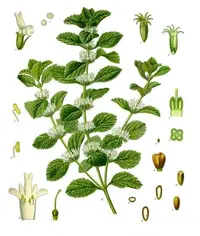
To recognize Hyssopus officinalis, look for a compact, woody-based subshrub with many upright, four-angled stems, narrow opposite leaves about 3/4 to 2 inches (2 to 5 cm) long, and dense one-sided flower spikes at the stem tips.

Most plants stay around 1 to 2 feet tall (30 to 60 cm).

Hyssopus officinalis Identification

Check Your Plant with Botan

Upload a clear photo to check your plant identification with Botan.

Clear images work best. Avoid photos taken too close or too far away

  • 1 free identification
  • No sign-up
  • 30,000+ plants in database

Check for a compact, upright subshrub form typical of Hyssopus officinalis.

  • Plants form many stiff, branching stems from the base, usually 1-2 feet (30-60 cm) tall.
  • Leaves are narrow, lance-shaped, and opposite in pairs along the stems, about 3/4-1 1/2 inches (2-4 cm) long.
  • Stems are square in cross-section and become somewhat woody near the base.
  • Flowers sit in dense whorls along the upper stems, forming short spike-like clusters.

Crush-free visual clues are usually enough when the square stems and opposite narrow leaves are both present.

Hyssopus officinalis shows clear visual shifts from a small seedling to flowering clump.

  • Seedling: Seedlings show opposite, narrow first leaves on a thin upright stem, with a sparse, delicate outline before woody basal growth appears.
  • Young plant: Young plants form several upright green stems with tighter branching and many small, lance-shaped opposite leaves, creating a compact mound about 6-12 inches (15-30 cm) tall.
  • Mature plant: Mature plants have a denser, subshrub form, with firmer stems becoming woody at the base and a broader, bushier outline than younger plants.
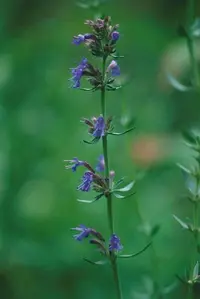
  • Flowering stage: Flowering stems extend above the leafy mound, carrying narrow terminal spikes of small two-lipped blue to violet flowers that make the plant look taller and more vertical.

Several named forms of Hyssopus officinalis are separated most easily by flower color and leaf variegation.

  • 'Albus': Differs from the typical blue-violet form by bearing white flower spikes instead of purple to blue blooms.
  • 'Roseus': Shows pink to rosy flower spikes, a clear color shift from the usual blue-violet flowers.
  • 'Variegatus': Recognized by green leaves edged or marked creamy white, rather than plain solid green foliage.

From early to mid-summer, Hyssopus officinalis becomes easier to recognize when upright flower spikes rise above the leafy stems, usually carrying blue to violet blooms. The narrow green leaves often remain visible below the flowers. In winter, the plant loses much of its soft top growth and may appear as a small woody base with short bare or sparsely leafy stems, which helps separate it from fully herbaceous look-alikes.

A few mint-family herbs are regularly mistaken for Hyssopus officinalis.

anise hyssop(Agastache foeniculum)

Often confused because both have upright spikes of purple-blue flowers and aromatic, opposite leaves. Anise hyssop usually has broader, heart-based, toothed leaves, while hyssop has narrower, more linear leaves with smoother edges.

lavender(Lavandula angustifolia)

Confusion happens when plants are not in full flower, since both form shrubby clumps with narrow leaves and purple blooms. Lavender leaves are gray-silver and the flower spikes are more wand-like; hyssop stays greener and has denser flower clusters.

Hyssopus officinalis is native to southern and eastern Europe, the eastern Mediterranean, and parts of western Asia. In the wild it is associated with dry, open ground rather than shade or wet places. It is most often found on rocky slopes, limestone hillsides, scrubby grassland, and disturbed stony sites. That setting helps with identification because a hyssop-like plant growing naturally in moist woodland or wetlands is less likely to be this species.

Confirm It from a Photo

Use Botan to identify or verify a plant from an image when labels are missing or the details are unclear.

FAQ

Recognize hyssop by its narrow opposite leaves, woody base, and upright square stems topped with dense flower spikes. Flowers are usually deep blue to violet, sometimes pink or white, and bloom in small whorls along the spike.

More Plant Identification Guides

Find the Plant. Get the Details.

Identify a plant from a photo with Botan, then review its profile, care information, and common problems.

Botan app identifying a plant from a photo
How to Mist Plants – Proper Technique and Common Mistakes

7 min read · 30 Jul 2026

How to Mist Plants – Proper Technique and Common Mistakes

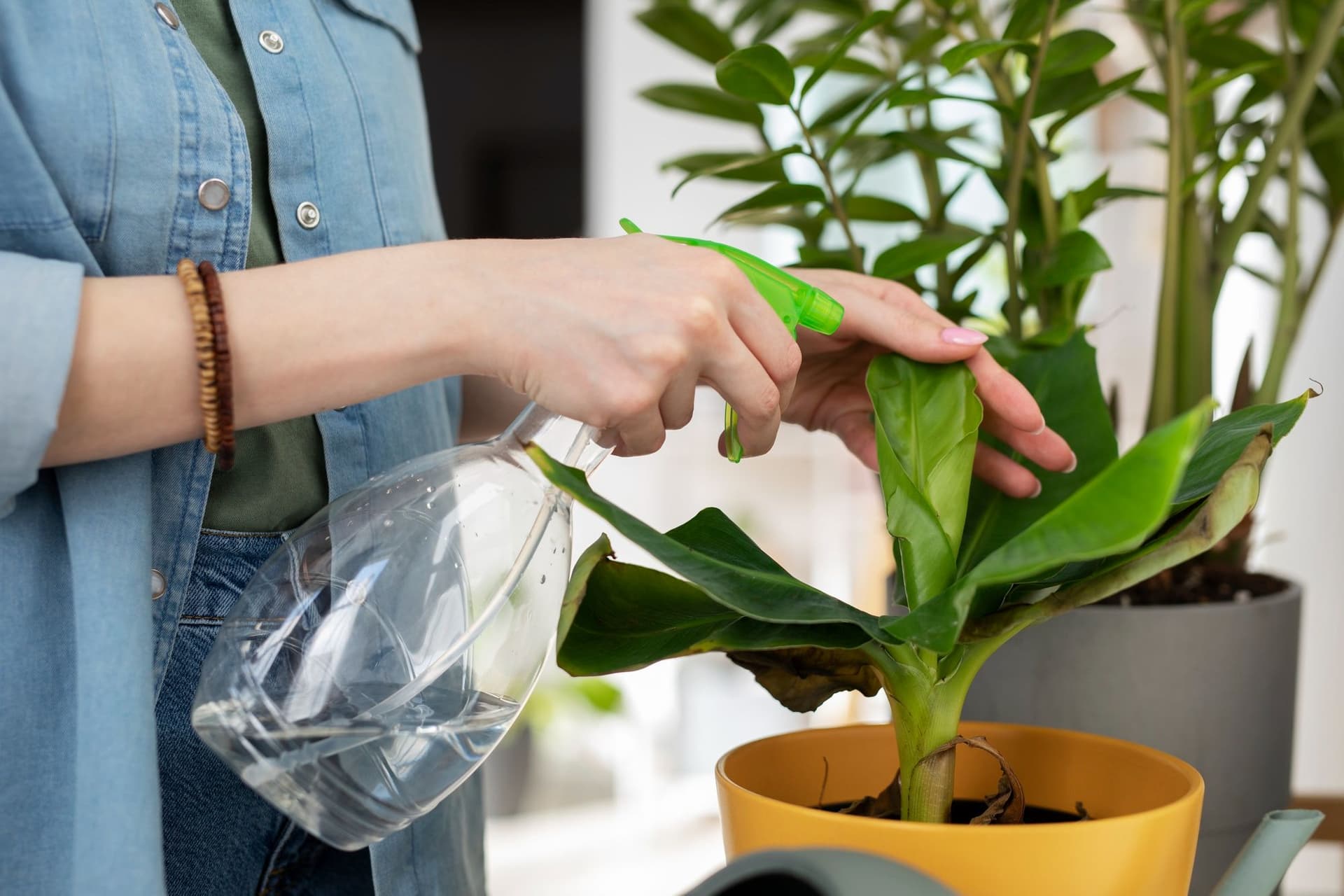
Find out when misting works well and when to avoid it. Here, you’ll find detailed information about compatible and incompatible species, tips on how often to mist plants and do it correctly, and some great alternatives for raising humidity.

Beginner Guides
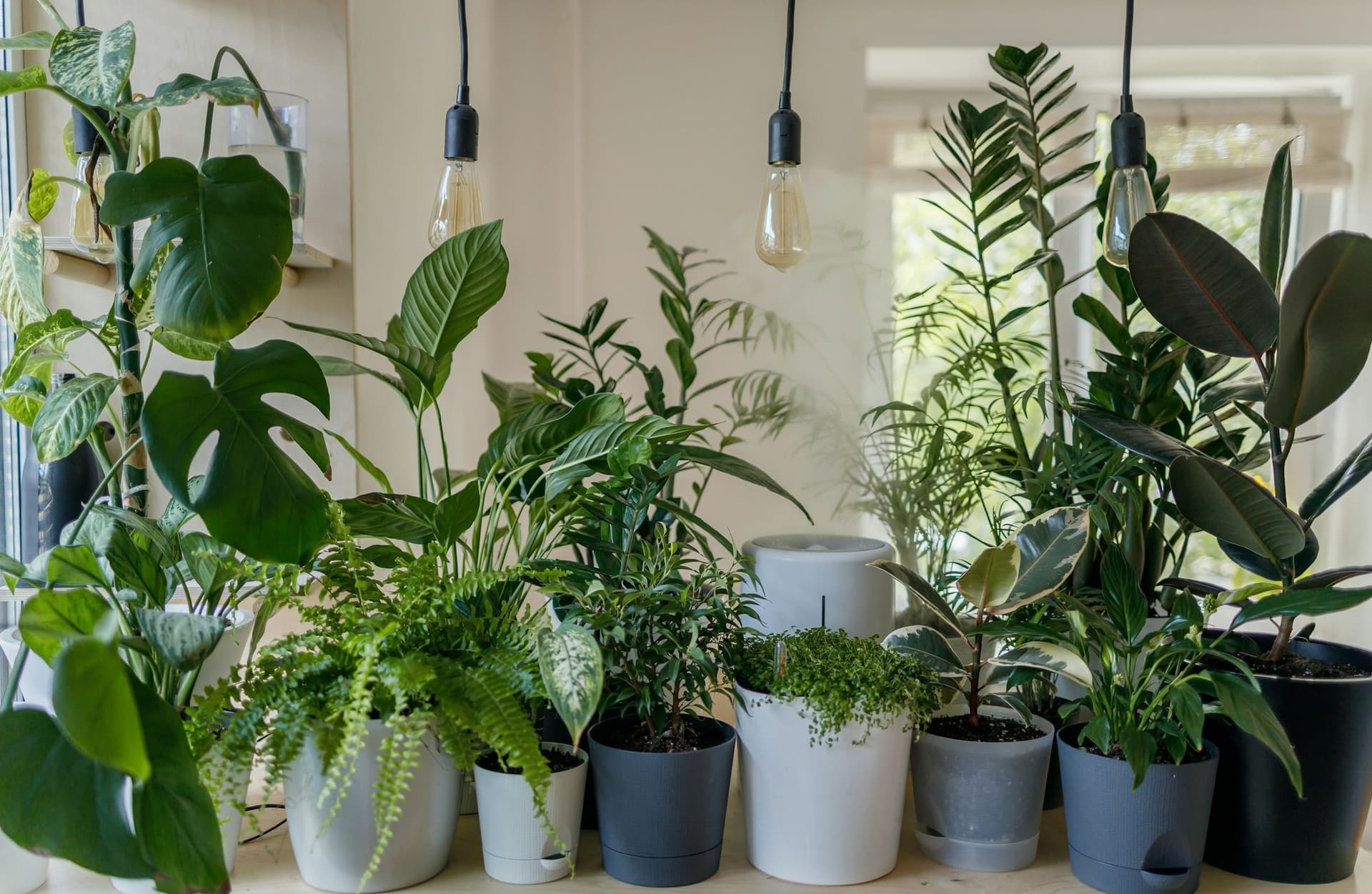
How to Mist Plants – Proper Technique and Common Mistakes
Top 15 Plants That Don’t Need Sunlight

8 min read · 17 Sept 2026

Top 15 Plants That Don’t Need Sunlight

Some plants thrive in dim rooms, shaded corners, and places with indirect light. In this guide, you’ll explore the top 15 species best suited to low-light conditions and how to care for them.

Plant Recommendations
Top 15 Plants That Don’t Need Sunlight
12 Best Cold-Hardy Vegetables for Cold Weather

7 min read · 13 Oct 2026

12 Best Cold-Hardy Vegetables for Cold Weather

Cold-hardy vegetables can keep a garden productive through chilly fall, winter, and early spring weather. This guide covers 12 reliable crops, their frost tolerance, and practical growing tips for better cold-season harvests.

Plant Recommendations
12 Best Cold-Hardy Vegetables for Cold Weather