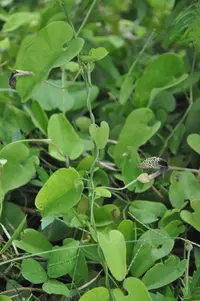
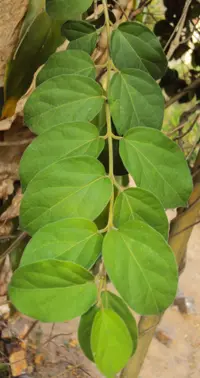
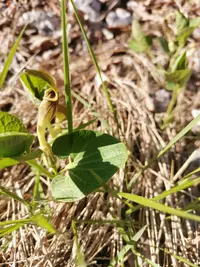
Vertical support setup
Install a sturdy trellis, fence, or wire netting before vines start climbing so young shoots can attach early and form an even, stable vertical canopy rather than a tangled mass on the ground.

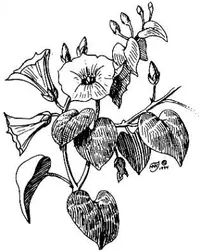
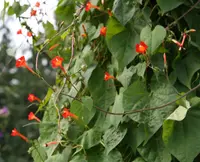
Christmas vine, Ipomoea corymbosa, is a fast-growing twining vine in the morning glory family. It is typically grown for its attractive heart-shaped leaves and showy funnel-shaped flowers. In nature it occurs in tropical and subtropical regions of the Americas, often scrambling over shrubs and small trees. In suitable climates it can become vigorous and may need regular support and pruning. The plant prefers warm conditions, sun to light shade, and well-drained soil, which makes it relatively straightforward for outdoor growers. For those learning how to care for Christmas vine, its main challenges are controlling its spread and providing enough light and structural support.

Care Difficulty
Moderate Care

Light Preference
Full Sun

Water Requirements
Moderate Water

Temperature Preference
Tropical / Frost Sensitive

Hardiness Zone
10–12

Soil Texture
Sandy, Loamy, Organic-rich

Soil pH
Acidic (5.5–6.5), Slightly acidic (6.5–7.0)

Soil Drainage
Well-drained

Fertilization
Light (every 4–6 weeks)
Scan your plant to receive care tips personalized for your specific plant
Available on iOS and Android
This fast-growing twining vine needs strong light to flower and set seed reliably.
This vine prefers evenly moist but not saturated soil, with clear drying between waterings.
This species thrives in warm, frost-free conditions and behaves as a tender annual in cooler regions.
This species handles a wide humidity range but grows best with moderate ambient moisture.
Provide freely draining, moderately fertile soil to support fast vining growth and reduce root problems.
This vine is very suitable for container growing on patios, balconies, or near outdoor supports.
Ipomoea corymbosa benefits from light, balanced feeding during its active warm-season growth.
Pruning Ipomoea corymbosa helps manage its vigorous vines and maintains flowering performance.
This vigorous twining vine is usually grown outdoors and benefits more from timely transplanting than frequent repotting.
New Ipomoea corymbosa plants are most commonly raised from seed under warm, bright conditions.
This tender vine is frost-sensitive and requires protection or re-sowing in cold-winter climates.

Plant Health Check
Not sure what's wrong with your plant? Check your plant's health inside the app.
The seeds of this species, known in Mexico as ololiúqui, were traditionally used by several Indigenous Mesoamerican cultures in divinatory and religious rituals, as documented in early colonial chronicles and codices.
Its seeds contain ergoline alkaloids, including lysergic acid amide (LSA), which are biosynthetically related to compounds produced by ergot fungi and have been the focus of pharmacological and chemotaxonomic research.
The plant produces small, white to pale cream, funnel-shaped flowers that typically open in the morning and close later in the day, following a diurnal rhythm that aligns with its main pollinators.

Modern chemical and microscopic studies have shown that the ergoline alkaloids in the seeds are largely produced by a specialized symbiotic fungus living inside the plant’s tissues, illustrating a tight endophytic partnership rather than the plant acting alone.
This species grows quickly in warm conditions, often extending several feet in a single season. Growth slows in cool weather or poor light. Regular pruning controls size and encourages new shoots rather than excessive, tangled vines.
Keep your plants happy and healthy with plant identification, disease detection, and easy care guidance.