Lactarius psammicola Care

Lactarius psammicola

About Lactarius psammicola

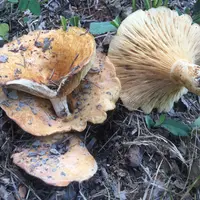
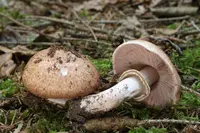
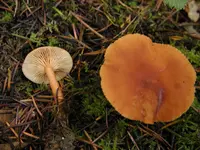
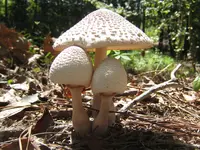
Lactarius psammicola is a mycorrhizal fungus, not a typical houseplant, forming a symbiotic relationship with tree roots to exchange nutrients and water. It produces small, milkcap-style mushrooms with pale to buff caps that blend into sandy or light soils.

This species usually occurs in nutrient-poor, sandy habitats, often in coniferous or mixed forests in temperate regions. Its specific ecological needs and reliance on host trees make it difficult to cultivate, so attempts to care for Lactarius psammicola at home are rarely successful.

In nature, it prefers undisturbed, well-drained, slightly acidic soils and stable moisture around tree roots rather than direct watering or conventional garden care.


Main Plant Requirements

Care Difficulty

Moderate Care

Light Preference

Partial Shade

Water Requirements

Moderate Water

Temperature Preference

Warm Climate

Hardiness Zone

Unknown

Soil Texture

Sandy, Loamy, Organic-rich

Soil pH

Acidic (5.5–6.5)

Soil Drainage

Well-drained

Fertilization

Minimal (feed rarely)

Get Personalized Care Plan

Scan your plant to receive care tips personalized for your specific plant

Available on iOS and Android

How to Care for the Lactarius psammicola

This mycorrhizal fungus prefers bright forest conditions without prolonged direct, intense sun.

  • Provide dappled or filtered light under sparse pines or open woodland, roughly 2–4 hours of gentle morning sun with shade or broken light the rest of the day.
  • Avoid harsh midday and late-afternoon sun, which can dry the fruiting zone and reduce Lactarius psammicola fruiting frequency and size.
  • In summer, increased canopy shade is beneficial; in early spring or late fall, slightly more open light still works if soil moisture remains stable.

Moist but not waterlogged soil supports reliable fruiting and healthy mycelium development.

  • Aim for consistently moist mineral or sandy soil that never stays saturated more than 24 hours; water when the top 2–3 cm begin to feel barely damp rather than fully dry.
  • During dry spells, increase watering frequency, focusing on slow, deep soaking instead of light surface splashes to maintain even subsurface moisture.
  • Reduce supplemental watering in cool, rainy seasons; signs of excess include standing water or sour odors, while shrinking, brittle caps suggest prolonged dryness.

Stable cool to mild temperatures support mycelium growth and fruiting in this woodland fungus.

  • Optimal activity occurs around 50–65°F (10–18°C), typical of cool seasons in pine or mixed forests, with best fruiting in consistently mild conditions.
  • The mycelium usually tolerates down to about 25°F (-4°C) under insulating litter, but repeated hard freezes below this can reduce future fruiting.
  • Heat above 80°F (27°C) with dry soil stresses the fungus, so shaded sites with retained moisture are important during hot, dry periods.

Humidity is not a meaningful care factor for Lactarius psammicola, which is a wild ectomycorrhizal fungus rather than a cultivated houseplant.

This ectomycorrhizal fungus relies on suitable forest soil conditions rather than conventional potting mixes.

  • Fruiting typically occurs in sandy, well-drained mineral soils, often in open or sparsely vegetated woodland or dune habitats.
  • Soil should remain free-draining, never compacted or waterlogged, to allow adequate gas exchange for fungal mycelium.
  • A slightly acidic reaction, roughly pH 5.0–6.5, is typical in its natural conifer-associated habitats.
  • Disturbance, heavy fertilization, and deep organic mulches can disrupt the native mycorrhizal network and suppress Lactarius psammicola fruiting.

This species is not realistically suitable for container growing because it depends on complex ectomycorrhizal relationships with host trees in undisturbed soil ecosystems.

This wild mycorrhizal fungus does not benefit from direct fertilization in gardens or containers.

This mushroom-forming fungus is not managed through pruning like a typical ornamental plant.

This ectomycorrhizal fungus is best left in its natural soil relationship rather than moved or transplanted.

  • Avoid disturbing sites where fruiting bodies appear, as the main organism is a widespread underground mycelial network.
  • Transplanting host trees or soil from established patches rarely succeeds and can disrupt Lactarius psammicola and other soil fungi.
  • If host plants must be moved, keep as much original soil around the roots as possible to reduce mycelium stress.
  • Maintain stable soil moisture and avoid compaction after any necessary site work near known colonies.

Deliberate propagation of this wild ectomycorrhizal fungus is technically complex and rarely attempted by home growers.

This fungus is naturally cold hardy in its native range and needs no active winter care in gardens or forests.

Care Tips

Confirm mycorrhizal host

Before attempting growing Lactarius psammicola, confirm that suitable native pine or other compatible conifer species are present on site, since this fungus forms obligate mycorrhizae (mutual root–fungus partnerships) and will not establish in pots or isolated substrate.

Minimize soil disturbance

Avoid tilling, raking deeply, or compacting the soil in the known fruiting area, since fine host tree roots and fungal mycelium form a shallow network that can be damaged by repeated disturbance.

Manage leaf and needle litter

Leave a light, natural layer of conifer needles and leaf litter over the fruiting zone, removing only thick, matted patches so that moisture is retained while young mushrooms still have space to emerge.

Regulate foot traffic

Mark off known fruiting spots and redirect paths or mowing routes so that repeated trampling does not crush developing mushrooms or compact the upper 5–10 cm of soil where the mycelium is most active.

Monitor site moisture

In prolonged dry periods, apply a gentle, low-pressure sprinkler over the host tree root zone for 15–20 minutes in the evening, 2–3 times per week, to keep the upper soil evenly moist without waterlogging the area.

Common Pests and Diseases

Parasitic molds

This disease affects fruiting bodies of Lactarius psammicola, leading to distorted, discolored caps and rapid decay. Symptoms include patchy white, gray, or green growth on the mushroom surface.

Solution

Remove and discard affected mushrooms as soon as they are seen, and avoid walking through or disturbing infected patches to limit spore spread. In forest or outdoor settings there is no practical chemical control; the best approach is to avoid harvesting from heavily infected sites and allow natural competitors and environmental conditions to rebalance the fungal community.

Mycophagous insects

These insects feed directly on the fruiting bodies, creating tunnels, soft spots, and premature collapse of caps and stems. This pest is often visible as small larvae or beetles within the mushroom tissue.

Solution

Harvest mushrooms promptly when they are mature but still firm to reduce the window of insect attack. Remove and destroy heavily infested fruiting bodies and avoid leaving cut or damaged mushrooms on the ground, which can attract more insects and increase local populations over time.

Slugs and snails

These pests rasp away tissue from caps and gills, leaving irregular holes, slime trails, and rapid deterioration of the fruiting bodies. Damage often starts overnight during damp conditions.

Solution

Hand-pick slugs and snails during cool, moist periods and remove plant debris, boards, or dense ground cover that provide daytime shelter near fruiting zones. In managed areas, physical barriers such as copper tape around small mushroom beds and careful use of iron phosphate slug baits can reduce feeding without disturbing the broader forest soil community.

Competing ectomycorrhizal fungi

This problem occurs when other mycorrhizal fungi outcompete L. psammicola around host tree roots, leading to fewer or no visible mushrooms at a site that previously produced well. Symptoms include a gradual decline in fruiting, sometimes alongside an increase in other mushroom species.

Solution

There is no direct treatment once a site is dominated by competing fungi; management focuses on maintaining stable tree health and undisturbed soil, which favors long-term ectomycorrhizal balance. For those interested in growing Lactarius psammicola in a managed setting, establishing new inoculated trees in suitable sandy habitats is often more effective than trying to reclaim a heavily colonized old site.

Interesting Facts

Sand‑linked habitat

This milkcap is typically associated with sandy, well‑drained soils in coniferous or mixed forests, reflecting its strong preference for psammophilous (sand‑loving) environments.

Distinctive milk reaction

When the fruit body is damaged, the latex exuded is white and does not change color markedly, which helps separate it from closely related Lactarius species whose milk turns yellow or stains the tissues strongly.

Ectomycorrhizal specialist

The species forms ectomycorrhizal associations with trees such as pines, exchanging mineral nutrients and water from the soil for photosynthetically derived sugars from the host roots.

FAQs about Lactarius psammicola

This mushroom is generally regarded as inedible or of very low culinary value. It produces bitter or unpalatable latex and is not collected for food. For safety, it should be treated as non-edible and left unharvested.

Grow Healthy Plants with Botan Care

Keep your plants happy and healthy with plant identification, disease detection, and easy care guidance.

Botan plant care app — identify plants on mobile

Explore More Plants