

shiitake Identification (Lentinula edodes)

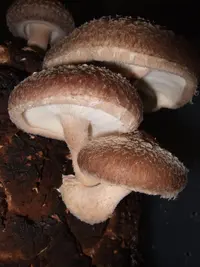
Recognize shiitake by its broad brown cap, usually 2 to 4 inches (5 to 10 cm) across, with pale cracked scales, white crowded gills underneath, and a short off-center to central stem.

It typically grows in tight clusters, and the stem often carries a distinct ring zone where the partial veil was attached.

Lentinula edodes Identification

Check Your Plant with Botan

Use a clear photo to confirm what plant you have.

Clear images work best. Avoid photos taken too close or too far away

Check the mushroom’s cap, gills, and stem shape first.

  • Cap is broadly convex to nearly flat, usually 2-4 inches (5-10 cm) across, with a dry brown surface that often cracks into pale scales.
  • Gills are crowded, white to cream, and attached to the stem rather than hanging free.
  • Stem is central, firm, and often slightly off-center, usually pale with no sac-like cup at the base.
  • It commonly appears in tight clusters or overlapping groups, with caps layered at different angles.

Use several features together when checking shiitake.

Shiitake shows clear visual shifts as the fruiting body expands and matures.

  • Young plant: Early fruit bodies appear as rounded buttons with the cap margin tightly inrolled, hiding most gills; the short stem looks stout and compact.
  • Mature plant: As it expands, the cap flattens to broadly convex, often 2-4 inches (5-10 cm) across, and pale cracked scales become more evident on the brown surface.
  • Fruiting stage: Fully developed mushrooms show exposed white to cream gills beneath the cap, a more distinct central stem, and a wider, umbrella-like profile than younger buttons.

Shiitake is most recognizable during its fruiting flushes, which appear in cool, moist periods, often in spring and fall. At those times, fresh brown caps and pale gills become visible on hardwood logs or stumps. Between flushes, the mushroom is absent above the wood. Identification then depends on the host log rather than any persistent above-ground structure.

A few wood-growing mushrooms are regularly mistaken for shiitake.

elm oyster(Hypsizygus ulmarius)

Both can form brownish caps on wood. Elm oyster usually has a paler cream to tan cap and a more off-center stem, while Lentinula edodes more often shows a darker chestnut cap with a clearer central stem and a scaly cap surface.

velvet shank(Flammulina velutipes)

Young caps can be similarly brown and rounded. Velvet shank is usually smaller, often with a shiny or sticky cap, and its stem base is distinctly dark and velvety. Shiitake has a drier cap and lacks that dark velvet stem base.

Lentinula edodes is native to East Asia, with reliable records centered in China, Japan, Korea, and nearby temperate parts of the region. In the wild it grows on dead or dying hardwood in broadleaf woodland, especially on fallen logs and stumps. That habitat is useful for identification because it helps separate shiitake from many ground-growing mushrooms and from species more typical of conifer forests.

  • Serious misidentification risk: Lentinula edodes is a mushroom, so visual mistakes can affect humans through ingestion. A realistic concern is confusion with toxic brown mushrooms. One important check is the underside: shiitake has pale gills, not pores or a smooth surface.
  • Not a safety test: Cap color, size, and growth on wood are not enough to confirm identity. Many unrelated mushrooms share those traits, and some are poisonous to humans if ingested. Pets can also be harmed by eating wild mushrooms.

Check Your Plant ID

Use Botan to compare a photo and help confirm the species when details are unclear or multiple plants look similar.

FAQ

The most reliable feature is the gilled cap-and-stem fruiting body: a brown cap with pale to white crowded gills underneath. For Lentinula edodes identification, the firm stem and wood-growing habit are also useful checks.

More Plant Identification Guides

Identify Your Plant and Learn More

Upload a photo to identify it with Botan, then review plant details, care information, and common problems for that species.

Botan app identifying a plant from a photo
Top 15 Plants That Don’t Need Sunlight

8 min read · 17 Sept 2026

Top 15 Plants That Don’t Need Sunlight

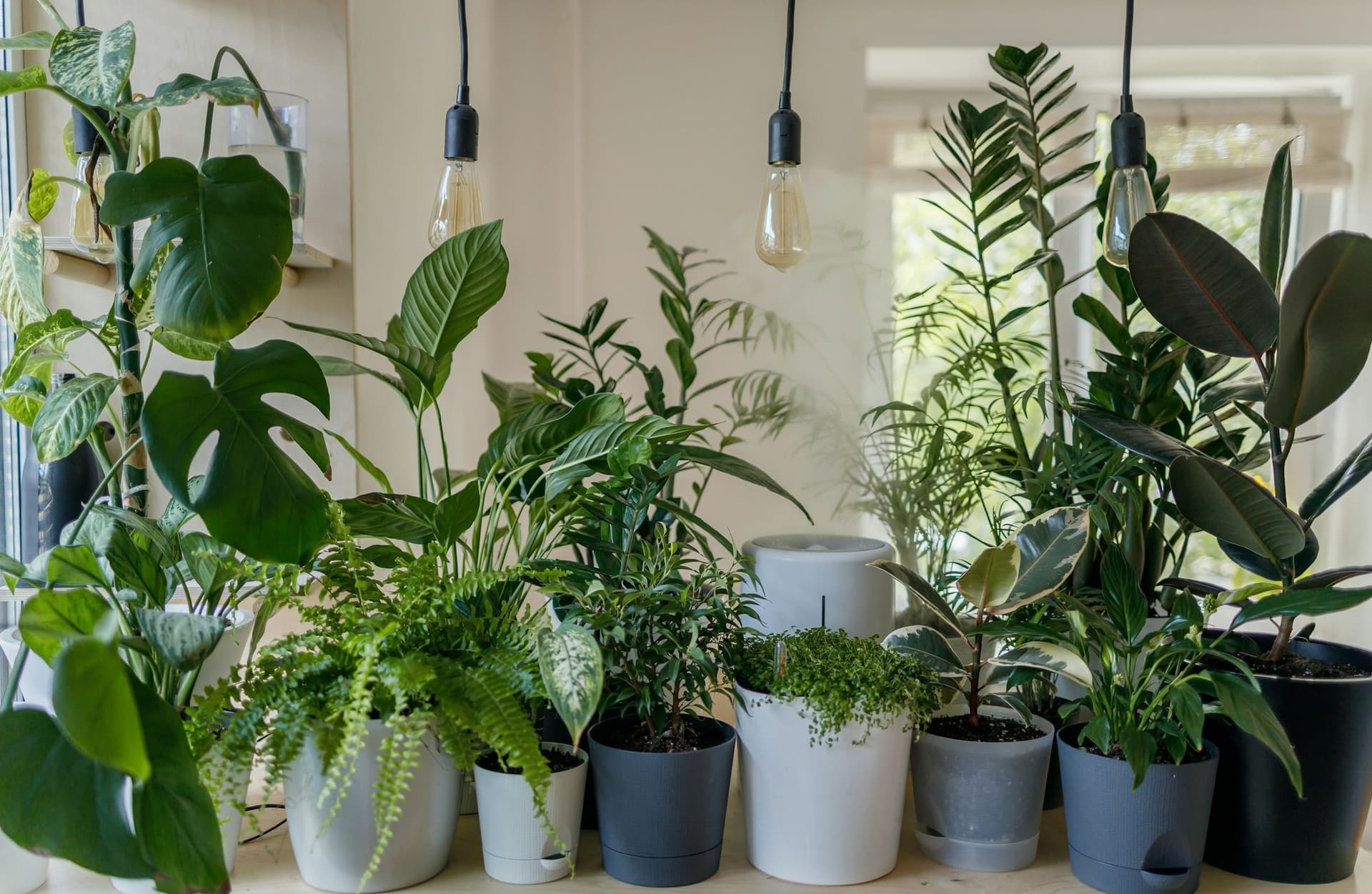
Some plants thrive in dim rooms, shaded corners, and places with indirect light. In this guide, you’ll explore the top 15 species best suited to low-light conditions and how to care for them.

Plant Recommendations
Top 15 Plants That Don’t Need Sunlight
10 Easy Garden Flowers to Grow

8 min read · 10 Sept 2026

10 Easy Garden Flowers to Grow

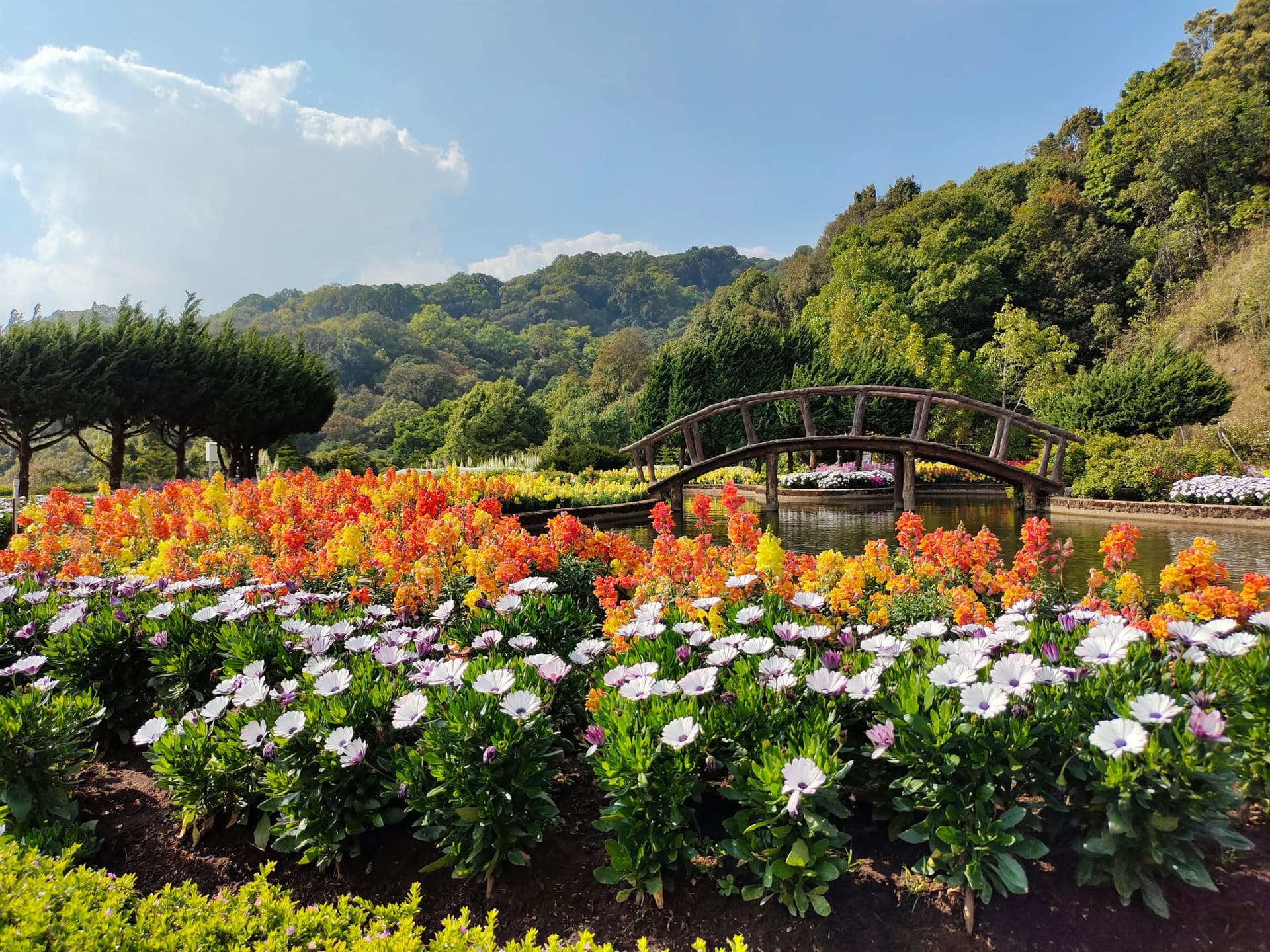
Discover 10 garden flowers that require minimal care. Learn which characteristics make plants easy to grow and follow tips on how to create a beautiful corner from beginner-friendly blooms on your property.

Beginner Guides
10 Easy Garden Flowers to Grow
How to Winterize Your Garden in 6 Steps

5 min read · 28 Sept 2026

How to Winterize Your Garden in 6 Steps

Learn how to prepare your garden for winter with a practical six-step checklist covering cleanup, tender plant care, watering, mulching, winter protection, and winterizing equipment and containers.

Plant Care
How to Winterize Your Garden in 6 Steps