New Zealand Grassplant Care (Lilaeopsis novae-zelandiae)

New Zealand Grassplant

About New Zealand Grassplant

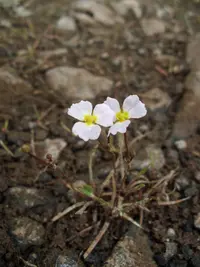
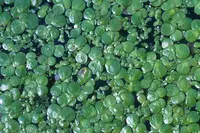
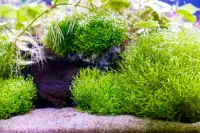
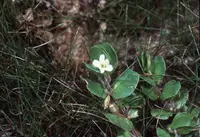
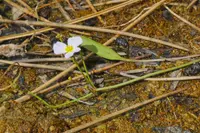
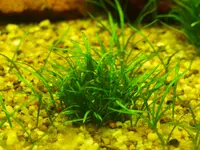
New Zealand grassplant (Lilaeopsis novae-zelandiae) is a low, carpeting aquatic plant often used in freshwater aquariums and paludariums. It forms fine, grass-like blades that create a dense, lawn-style foreground.

In nature, it grows along stream edges, riverbanks, and wet margins in New Zealand and nearby regions, where water is clean and gently moving. Its compact growth and shallow root system make it popular for aquascaping but somewhat demanding in lower-tech setups.

Stable water conditions, good light, and a nutrient-rich substrate support healthy growth. Understanding how to care for New Zealand Grassplant helps prevent melting, patchy growth, and algae competition.

Main Plant Requirements

Care Difficulty

Moderate Care

Light Preference

Partial Shade

Water Requirements

Aquatic

Temperature Preference

Tropical / Frost Sensitive

Hardiness Zone

9–11

Soil Texture

Sandy, Loamy, Organic-rich

Soil pH

Acidic (5.5–6.5), Slightly acidic (6.5–7.0)

Soil Drainage

Waterlogged tolerant

Fertilization

Light (every 4–6 weeks)

Get Personalized Care Plan

Scan your plant to receive care tips personalized for your specific plant

Available on iOS and Android

How to Care for the New Zealand Grassplant

This low-growing aquatic foreground plant prefers bright, gentle light that mimics shallow-stream conditions.

  • Provide 8–10 hours of bright, indirect light or filtered sun; morning sun with light afternoon shade works well in outdoor pond margins.
  • Tolerates partial shade, but dense shade slows growth and causes thinner, elongated blades, especially in New Zealand Grassplant carpets.
  • Avoid harsh midday, unfiltered sun in shallow water, which can cause leaf yellowing and algae growth; adjust exposure seasonally as summer light intensifies and winter light weakens.

This species thrives in consistently wet to submerged conditions and reacts quickly to changes in moisture.

  • For emersed or marginal growth, keep soil constantly moist; do not allow the top 1–2 cm to dry out, as blades wilt and lose density.
  • In submerged setups, ensure steady water depth and gentle flow, with a fine, stable substrate that holds moisture but does not trap anaerobic, foul-smelling zones.
  • Watch for yellowing, mushy blades and a sour smell as signs of overwatering in poorly oxygenated substrate, and crisp, browning tips as a sign of drying or unstable water level.
  • Keep this plant within a moderate, stable temperature range of about 68–78°F (20–26°C) for best growth and dense carpeting.
  • bullets:[

This plant prefers mild, stable temperatures typical of temperate to warm aquatic environments.

  • Optimal growth occurs around 68–78°F (20–26°C), which supports steady carpeting and healthy root development.
  • Short dips to about 59°F (15°C) are usually tolerated, but prolonged exposure near this minimum slows growth and can thin out patches.
  • Avoid extremes above 82–86°F (28–30°C) or any frost; high heat combined with strong light encourages algae, while freezing conditions kill foliage and can damage roots.

This species prefers moderately high humidity and reacts quickly to very dry air.

  • Aim for 60–80% humidity around the foliage, which suits its marshy, creeping growth habit.
  • Dry air causes browning tips, slower spreading, and finer leaves that fail to fill in densely.
  • Increase humidity with open trays of water near the pot, grouping plants, or using an ultrasonic humidifier for New Zealand Grassplant.

This plant prefers consistently moist, fine-textured substrate that mimics shallow stream or marsh margins.

  • Use a mix of 60–70% fine aquatic plant soil or loamy topsoil with 30–40% inert sand or fine gravel to keep structure stable underwater.
  • Keep drainage slow but not stagnant; soil should stay saturated or submerged without developing foul odor or black, anoxic pockets.
  • Maintain slightly acidic to neutral pH, roughly 6.0–7.2, which supports healthy root growth and compact leaf formation in Lilaeopsis novae-zelandiae.
  • Avoid peat-heavy potting mixes that float, break down quickly, or produce clouds of debris when disturbed in aquaria or paludariums.

This species is well suited to shallow containers, aquarium foregrounds, and marginal planters.

  • Choose wide, shallow pots or trays so the creeping runners can spread horizontally instead of stacking in dense clumps.
  • Use heavier containers or add a top layer of fine gravel to keep the substrate from lifting or shifting in moving water.
  • Ensure water level just covers or closely borders the substrate surface to keep roots saturated while allowing leaves to photosynthesize efficiently above.

This aquatic foreground plant benefits from light, consistent nutrition rather than heavy feeding.

  • Use a balanced aquatic fertilizer (for example NPK 10-10-10) as root tabs or liquid, depending on substrate depth.
  • Apply small doses every 2–4 weeks during active growth, adjusting to plant density and light level.
  • Dilute liquids to 1/4–1/2 strength to avoid algae and nutrient burn, especially in low-tech aquariums.
  • Reduce feeding in winter or low-light periods, maintaining only minimal dosing to sustain the New Zealand Grassplant.

Lilaeopsis novae-zelandiae benefits from light, frequent trimming to keep the carpet dense and healthy.

  • Trim during active growth, removing yellowing, melted, or damaged blades with fine scissors close to the substrate.
  • Thin crowded patches to improve water flow and light penetration, which supports even carpeting growth.
  • Shape the carpet by cutting higher areas more heavily, encouraging lateral spread rather than vertical height.
  • Disinfect tools before use to limit transfer of algae or pathogens between tanks.

This species is usually transplanted within aquariums rather than traditionally repotted.

  • Reposition or divide clumps when growth stalls, runners pile up, or older centers thin while edges stay dense.
  • Plan major transplanting at the start of an active growth phase, after a water change, to reduce stress.
  • Lift small plugs with substrate intact, then replant shallowly, spacing 1–2 cm apart for even carpeting.
  • Keep lighting and CO2 stable after disturbance and avoid drastic parameter changes for at least 1–2 weeks.

Lilaeopsis novae-zelandiae plant care often includes propagation from its natural runners.

  • Use division of runner-connected rosettes as the main method, separating small plugs with several healthy blades.
  • Carry out division in the main growing season, when light and nutrients are stable and water parameters are consistent.
  • Gently tease apart runners, keeping roots intact, then replant individual plugs 1–2 cm apart in fine substrate.
  • Provide moderate to high light and steady CO2 and nutrients to support rapid re-rooting and lateral spread.

As an aquarium or warm terrarium plant, this species usually needs minimal dedicated winter care.

  • Keep indoor water temperature stable, typically above 68°F, as prolonged cold slows growth and weakens foliage.
  • Avoid placing tanks near drafty windows where glass can chill and create cold spots at the substrate level.
  • If grown emersed in cool rooms, use a heat mat or raise ambient temperature slightly to maintain active roots.

Care Tips

Control Carpet Height

Trim the leaf blades with fine aquascaping scissors every 2–3 weeks to keep the carpet 2–4 cm tall, which encourages dense lateral spread instead of weak, elongated growth.

Encourage Runners

After trimming, gently press any exposed stolons back into the substrate with planting tweezers so new runners root quickly and fill bare patches more evenly when growing New Zealand Grassplant.

Prevent Algae Shade

Use a soft aquarium brush or gloved fingers to lightly sweep debris and algae from the grass tips during water changes so light reaches the base of the plants and the carpet does not thin out.

Stabilize New Plantings

When planting in a new aquascape, place small stones or plant weights at the edge of patches to keep them from floating up until roots are well anchored in 1–2 weeks.

Optimize Flow Pattern

Adjust the aquarium filter outlet so there is gentle, broad water movement across the substrate, which keeps fine debris from settling between blades and reduces the risk of localized rot in dense carpets.

Common Pests and Diseases

Hair algae

This pest forms fine green filaments that grow over the leaves and substrate, blocking light and trapping debris. Symptoms include reduced growth, yellowing blades, and a fuzzy coating on the plant carpet.

Solution

Reduce excess nutrients and stabilize CO2, then shorten light duration to 6–8 hours if lighting is strong. Manually remove algae with a soft brush or tweezers, increase water changes, and introduce suitable algae eaters such as Amano shrimp, while keeping flow gentle enough to avoid uprooting the grass-like carpet.

Black beard algae

This pest appears as short, dark tufts on leaf edges and hardscape near the plant, often in areas with fluctuating CO2 or strong flow. Symptoms include dark, almost black patches that do not rub off easily and shaded, weakening leaves underneath.

Solution

Stabilize CO2 and reduce strong localized current directly on the plant, then trim heavily infested leaves. Spot-treat affected areas with liquid carbon or diluted hydrogen peroxide during water changes, and maintain consistent fertilization to keep the plant growing and outcompeting this algae while following general Lilaeopsis novae-zelandiae care to keep it dense and healthy.

Cyanobacteria (blue-green slime)

This disease is a bacterial mat that looks like dark green, bluish, or reddish slime spreading across the substrate and over the plant carpet. Symptoms include a greasy film with a strong earthy or musty odor and rapid smothering of the fine foliage.

Solution

Increase water circulation, vacuum the substrate surface carefully around the carpet, and perform frequent partial water changes to remove excess nutrients. Manually siphon or peel off the slime, then consider a short blackout period (2–3 days with the tank covered) or an aquarium-safe antibacterial treatment, making sure oxygen levels remain adequate for livestock.

Snail grazing damage

These insects are not involved; instead, small aquarium snails feed on decaying or tender leaves, especially in nutrient-poor setups. Symptoms include irregular holes, shredded leaf tips, and thinning patches in the carpet where new growth is weak.

Solution

Improve plant nutrition with balanced root and water-column fertilization so new leaves become stronger and less attractive as food. Manually remove excess snails, use bait traps, and avoid overfeeding fish to limit snail populations while allowing a small number to remain for natural cleanup.

Nutrient deficiency chlorosis

This disease state appears when essential nutrients such as iron or nitrogen are lacking, which is common in fine-leaved carpeting plants. Symptoms include pale new growth, yellowing between veins, very slow spreading, and an open, patchy carpet.

Solution

Adjust fertilization to provide a complete aquarium plant nutrient mix, ensuring both macro nutrients (N, P, K) and micronutrients (iron and trace elements) are available. Maintain regular dosing, check that CO2 and light levels are balanced, and thin any very dense areas so light and nutrients reach the entire carpet.

Interesting Facts

Amphibious growth habit

This species naturally grows both submerged and emersed along stream margins and wet shorelines in New Zealand, forming low, lawn-like mats that can tolerate periodic exposure to air as water levels fluctuate.

Fine yet persistent runners

It spreads through slender, creeping rhizomes that root at the nodes, allowing the plant to slowly colonize open, fine substrates in stable, low-flow freshwater habitats.

Preference for cool, clean water

In nature it is typically found in clear, cool, well-oxygenated waters, which is why it often declines in aquaria with high organic load or sustained high temperatures.

Botan icon

Did you know?

Genetic and morphological studies have shown that this species is part of a small group of New Zealand endemic Lilaeopsis adapted to temperate freshwater habitats, making it biogeographically distinct from closely related South American and North American Lilaeopsis species that occupy warmer or brackish environments.

FAQs about New Zealand Grassplant

Growth is moderate under stable aquarium conditions. It usually takes 4–8 weeks to form a noticeable carpet, spreading via short runners. Strong light, consistent CO2, and balanced nutrients significantly speed up development and density.

Grow Healthy Plants with Botan Care

Keep your plants happy and healthy with plant identification, disease detection, and easy care guidance.

Botan plant care app — identify plants on mobile

Explore More Plants