walking stick palm Care (Linospadix monostachyos)

walking stick palm

About walking stick palm

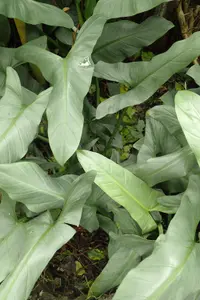
The walking stick palm, Linospadix monostachyos, is a small understory palm native to the rainforests of eastern Australia. It naturally grows in shaded, humid forest floors beneath taller trees.

This palm forms a slender, cane-like trunk with neatly arranged, narrow leaflets that give it a refined, vertical look. It is slow-growing and usually stays compact, which suits small gardens and sheltered patios.

Its main challenge is sensitivity to cold, dry air, and harsh sun, so it thrives best in mild, frost-free conditions with consistent moisture. Understanding how to care for walking stick palm starts with providing shade, moisture-retentive but draining soil, and protection from strong wind.

Main Plant Requirements

Care Difficulty

Moderate Care

Light Preference

Partial Shade

Water Requirements

Regular Water

Temperature Preference

Tropical / Frost Sensitive

Hardiness Zone

10–11

Soil Texture

Loamy, Sandy, Organic-rich

Soil pH

Acidic (5.5–6.5), Slightly acidic (6.5–7.0)

Soil Drainage

Moist but well-drained

Fertilization

Minimal (feed rarely)

Get Personalized Care Plan

Scan your plant to receive care tips personalized for your specific plant

Available on iOS and Android

How to Care for the walking stick palm

This understory palm prefers soft, filtered light that mimics bright forest shade.

  • Provide bright shade or dappled light with 2–4 hours of gentle morning sun; avoid harsh midday and afternoon sun, especially in summer.
  • Tolerates partial shade but growth slows if light is too low; sparse fronds and long, weak stems indicate insufficient light for walking stick palm.
  • Outdoors, site under high tree canopy or on the east side of a building; in cooler seasons, slightly more direct morning sun is acceptable if leaves do not scorch.

This species prefers evenly moist but not saturated soil throughout the growing season.

  • Water when the top 2–3 cm of soil feel dry, aiming for consistently damp soil around the roots without standing water.
  • Use a free-draining mix and ensure excess water can drain away; yellowing, limp fronds and a sour smell suggest overwatering and poor aeration.
  • In cooler months, allow the top 3–5 cm to dry before watering again; brown, crispy leaflet tips and folding fronds indicate the plant has been too dry.

This palm thrives in mild, frost-free conditions with stable, moderate temperatures.

  • Aim for 65–80°F (18–27°C) for active growth; Linospadix monostachyos care is easiest where temperature swings are small.
  • Short exposures down to about 40°F (4°C) may be tolerated if soil is not waterlogged, but repeated chills slow growth and can damage foliage.
  • Protect from frost and hot, drying winds; above 90°F (32°C), provide extra shade and humidity, and avoid reflected heat from walls or paving.

This species benefits from moderate to high humidity but copes with typical home conditions if not too dry.

  • Aim for 50–70% humidity to support steady growth and reduce leaf edge browning.
  • Tolerates short drops to 30–40%, but prolonged dry air causes crisp tips and dull, folding leaflets in walking stick palm.
  • Increase humidity with a nearby humidifier, grouped plants, or a pebble tray rather than misting, which adds only brief moisture.

Linospadix monostachyos prefers a moist, airy, organic-rich mix that drains freely yet holds some moisture.

  • Use a mix of 40% peat or coco coir, 30% fine bark, and 30% perlite or pumice for structure and drainage.
  • Aim for slightly acidic to neutral pH around 6.0–7.0 to keep nutrients available and roots healthy.
  • Ensure water drains from the pot within seconds, not minutes, to avoid waterlogging and root rot risk.
  • Avoid heavy garden soil, dense clay, or mixes with a high proportion of unamended compost that compact and suffocate roots.

This palm is suitable for container growing when the pot supports its fine root system and upright habit.

  • Choose a deep, narrow pot that matches the root column so moisture stays even without leaving the lower mix stagnant.
  • Select a heavier material such as ceramic or clay in windy or exposed spots to reduce tipping of the slender stems.
  • Place the container on small feet or pot risers so drainage holes stay clear and excess water leaves the root zone quickly.

This small rainforest palm appreciates light, consistent feeding when grown in containers, while in-ground plants usually manage with minimal nutrients.

  • Use a balanced liquid fertilizer (for example 10-10-10) at 1/4–1/2 strength for walking stick palm during active growth.
  • Feed every 4–6 weeks in spring and summer; skip or greatly reduce feeding in fall and winter.
  • Alternatively, apply a slow-release palm fertilizer or a thin layer of fine compost on the soil surface in spring.
  • Always water before and after applying fertilizer to reduce root burn risk and support even nutrient uptake.

Pruning needs for Linospadix monostachyos are light and mostly cosmetic.

  • Best time for pruning is late winter to early spring, before strong new growth starts.
  • Remove only dead, yellowing, or clearly damaged fronds at the base with clean, sharp pruners.
  • Avoid cutting green, healthy fronds, as they support energy production and overall vigor.
  • Minor shaping is possible by tidying crowded suckers, but heavy pruning can weaken the palm.

This compact palm has a modest root system and usually needs infrequent repotting or transplanting.

  • Check for roots circling the pot, pushing through drainage holes, or noticeably slowed growth as signals to repot.
  • Plan repotting for late spring to early summer, about every 3–4 years, when temperatures are stable.
  • Move to a container 2–5 cm wider, using a free-draining, slightly acidic mix; keep the root ball intact.
  • Water thoroughly after shifting, keep in bright but indirect light, and maintain steady moisture to limit transplant stress.

Seed is the main method for increasing Linospadix monostachyos, but it is relatively slow and requires patience.

  • Sow fresh, cleaned seed in late spring to early summer for best germination rates.
  • Use a fine, free-draining mix, barely cover the seed, and keep moisture even but not waterlogged.
  • Maintain warm conditions around 70–80°F with high humidity and bright, indirect light.
  • Expect slow, uneven germination; leave seedlings undisturbed until roots and several true leaves have formed.

This rainforest palm is frost sensitive and needs thoughtful winter care in most temperate climates.

  • Avoid exposure below 32°F; brief light frost can damage foliage and young stems.
  • Mulch the root zone with 5–8 cm of leaf mold or bark in late fall for in-ground specimens.
  • For containers, move plants indoors or into a bright, frost-free greenhouse before the first hard freeze.
  • Keep soil slightly drier in winter while maintaining some humidity to prevent leaf tip browning.

Care Tips

Sturdy pot choice

Use a tall, narrow, and heavy-bottomed pot to match the palm’s upright, cane-like growth and reduce the risk of the clump tipping as stems elongate.

Clump management

Every 2–3 years, thin out the oldest, weakest canes at the base with clean, sharp pruners to keep the clump open, improve air movement, and direct energy to younger stems.

Understory companions

Plant low, shallow-rooted companions like small ferns or rainforest groundcovers around the base outdoors to shade the root zone and keep the fine feeder roots cooler and more evenly moist.

Gradual light shifts

When moving the plant between indoor and outdoor positions, increase light levels over 7–10 days to prevent leaf scorch and allow the foliage to adapt gradually.

Mulch for fine roots

Outdoors, maintain a 3–5 cm layer of fine, soft mulch such as shredded bark over the root area, keeping it a few cm away from the stems, to protect the very fine roots and stabilize soil moisture when caring for walking stick palm.

Common Pests and Diseases

Scale insects

This pest attaches to the slender cane and leaflet midribs, sucking sap and causing yellowing, thinning foliage, and sticky honeydew on the leaves and stems.

Solution

Isolate the plant, then wipe canes and leaf stalks with cotton pads dipped in diluted isopropyl alcohol or insecticidal soap, taking care to reach around the thin stems. Repeat every 7–10 days until no new scale appears, and reduce plant stress by providing stable warmth, bright filtered light, and moderate, even moisture.

Spider mites

These insects thrive on the fine-textured fronds in dry, warm indoor air, causing stippled, dull foliage and very fine webbing along leaflet undersides and tips.

Solution

Rinse the foliage thoroughly with lukewarm water, focusing on the underside of leaflets, then use an insecticidal soap or horticultural oil labeled for mites and repeat weekly for several cycles. Increase humidity to around 50–60% and avoid placing the plant near heating vents, which supports longer-term walking stick palm indoor care.

Mealybugs

This pest hides in the narrow crown and leaflet bases, appearing as white cottony clusters and leading to distorted new growth and sticky residue.

Solution

Use a cotton swab dipped in diluted isopropyl alcohol to dab visible clusters, then follow with an insecticidal soap spray directed into leaf bases and the crown. Inspect regularly and remove heavily infested leaflets; maintain good light and avoid overfertilizing, which can encourage soft, susceptible growth.

Leaf spot

This disease shows as small brown or tan lesions with darker margins on the thin leaflets, often starting on older fronds in humid, low-airflow conditions.

Solution

Remove and discard affected fronds, keeping cuts clean and dry, and avoid wetting the foliage when watering. Improve airflow, space plants so fronds do not touch, and if spots keep spreading, apply a copper- or chlorothalonil-based fungicide according to label directions.

Pink rot

This disease, caused by a fungus that favors persistently wet conditions, leads to soft, brown lesions at the base of fronds and can cause collapse of affected shoots in dense plantings or poorly drained pots.

Solution

Cut out and discard all infected tissues, then allow the potting mix surface to dry slightly between waterings and ensure excellent drainage. Reduce overhead watering, improve air movement around the crown, and in severe cases drench with a systemic fungicide labeled for palm pink rot, following label rates carefully.

Interesting Facts

Australian rainforest understory

This palm is native to shaded understories of subtropical and tropical rainforests in eastern Australia, where it grows as a small, slender understorey palm rather than a canopy species.

Single spike inflorescence

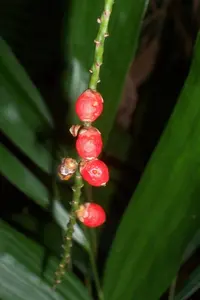
The species name monostachyos refers to its characteristic single spike-like inflorescence, which bears small flowers along one narrow axis instead of branching into multiple flower clusters.

Fruit for rainforest birds

Its small, colorful drupes are eaten by rainforest birds, which then disperse the seeds and help maintain the genetic diversity and natural regeneration of its populations.
Botan icon

Did you know?

This species is one of the few genuinely small, trunk-forming palms from Australian rainforests that can remain under 2–3 m in cultivation, which has made Linospadix monostachyos care of particular interest for compact, shaded garden designs and specialized palm collections.

FAQs about walking stick palm

Brown leaf tips or edges usually come from low humidity, underwatering, or salt buildup from fertilizer. Sudden widespread browning can also follow cold drafts or hot, dry air. Trim damaged tips and correct the underlying stress source.

Grow Healthy Plants with Botan Care

Keep your plants happy and healthy with plant identification, disease detection, and easy care guidance.

Botan plant care app — identify plants on mobile

Explore More Plants