

Manage Spreading Rhizomes
Install a root barrier or grow this plant in a bottomless container sunk into the bed to keep its underground stems from spreading into nearby plantings.

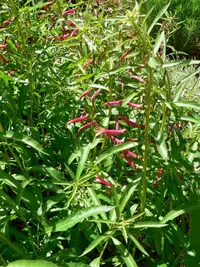
Sierra Madre lobelia (Lobelia laxiflora) is a perennial flowering plant with arching, semi-woody stems and narrow leaves. It produces tubular red and yellow flowers that attract hummingbirds. Native to Mexico and parts of the southwestern United States, it often grows in rocky slopes, open woodlands, and stream edges. Its spreading habit can form loose clumps or low, informal hedges in suitable climates. This species is generally considered easy to grow where winters are mild, thanks to its resilience and ability to rebound from light neglect. It prefers sun to light shade, moderate moisture, and well-drained soil. Understanding how to care for Sierra Madre lobelia starts with providing stable light and avoiding waterlogged roots.

Care Difficulty
Moderate Care

Light Preference
Full Sun

Water Requirements
Regular Water

Temperature Preference
Warm Climate

Hardiness Zone
8–10

Soil Texture
Sandy, Loamy, Organic-rich

Soil pH
Acidic (5.5–6.5), Slightly acidic (6.5–7.0)

Soil Drainage
Moist but well-drained

Fertilization
Light (every 4–6 weeks)
Scan your plant to receive care tips personalized for your specific plant
Available on iOS and Android
This sun-loving perennial performs best with bright exposure and some protection from harsh heat.
This species prefers consistently moist but not saturated soil throughout the growing season.
This species grows best in mild, frost-free conditions with moderate summer heat.
This species handles a wide range of humidity but grows best with moderate ambient moisture.
Lobelia laxiflora prefers loose, moisture-retentive but freely draining soil to support continuous growth and flowering.
This species is suitable for container growing, especially where spreading roots or wandering stems need control.
This species benefits from light, consistent feeding during the warm growing season.
Pruning Lobelia laxiflora helps maintain a compact form and encourages better flowering.
This species is more often grown in the ground, with transplanting focused on controlling spread or relocating clumps.
Lobelia laxiflora is commonly propagated by division, cuttings, and sometimes seed.
This plant is moderately cold tolerant but may need winter care in colder climates.

Plant Health Check
Not sure what's wrong with your plant? Check your plant's health inside the app.
This species is a key nectar source for several hummingbird species in its native range from Mexico to Central America, thanks to its tubular, red-and-yellow flowers that match hummingbird bill shape and vision preferences.
It spreads through underground rhizomes, forming loose colonies over time, which allows it to recover quickly after mild disturbance or light pruning in suitable climates.
Unlike many other lobelias that prefer consistently moist soils, this species shows notable tolerance of short dry periods once established, reflecting its adaptation to seasonally dry habitats in the Sierra Madre region.

In parts of its native Mexican range, this species naturally occurs along rocky slopes and open pine-oak woodland edges, where its bright flowers stand out strongly against sparse vegetation and attract pollinators over considerable distances.
This species spreads by underground rhizomes and can form broad clumps over time. In favorable conditions it may become rambunctious, but regular edging, division, or root barriers keep it controlled in garden beds and mixed borders.
Keep your plants happy and healthy with plant identification, disease detection, and easy care guidance.

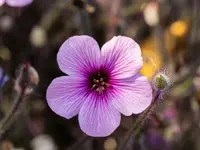
Madeira Cranesbill
Geranium maderense
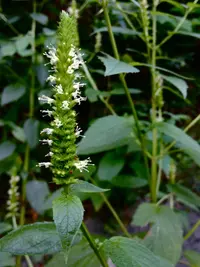
Yellow Giant Hyssop
Agastache nepetoides
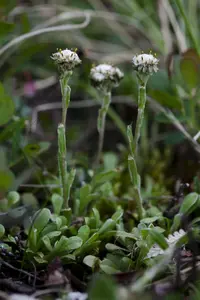
pygmy pussytoes
Antennaria monocephala
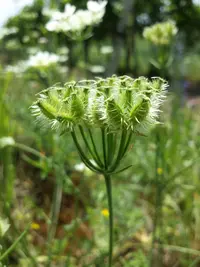
Large-flowered Orlaya
Orlaya grandiflora
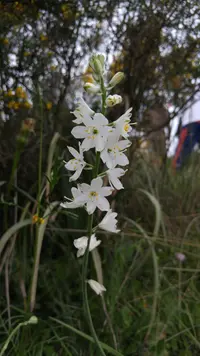
Anthericum baeticum
Anthericum baeticum
Rocky Mountain penstemon
Penstemon strictus
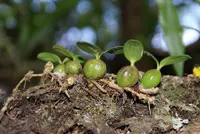
Bulbophyllum nutans
Bulbophyllum nutans
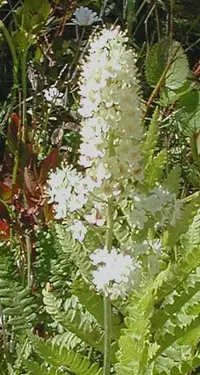
Osceola's plume
Stenanthium densum