silver lupine Care (Lupinus albifrons)

Also known as: Silver Bush Lupine
silver lupine

About silver lupine

Silver lupine (Lupinus albifrons) is a perennial shrub from dry, open habitats in California, especially coastal scrub and chaparral. It is adapted to full sun and lean, rocky soils.

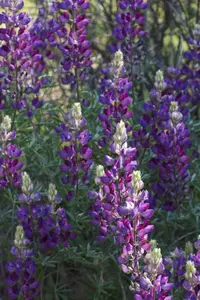
The plant forms a low, branching mound with silvery, hairy leaves and upright spikes of blue to violet pea-like flowers. The silver foliage reflects light and reduces water loss.

This species is drought tolerant once established but dislikes heavy, waterlogged, or very rich soil. It suits low-water gardens where drainage is sharp.

Compared with many garden perennials, it can be short-lived and sensitive to overwatering, so learning how to care for silver lupine is important for success.

Main Plant Requirements

Care Difficulty

Moderate Care

Light Preference

Full Sun

Water Requirements

Low Water

Temperature Preference

Cool Climate

Hardiness Zone

7–10

Soil Texture

Sandy, Loamy, Rocky

Soil pH

Slightly acidic (6.5–7.0), Neutral (7.0)

Soil Drainage

Well-drained

Fertilization

Minimal (feed rarely)

Get Personalized Care Plan

Scan your plant to receive care tips personalized for your specific plant

Available on iOS and Android

How to Care for the silver lupine

This western North American perennial thrives in strong, direct light in open, exposed sites.

  • Provide 6–8 hours of full sun daily; silver lupine flowers and forms compact growth best in unshaded positions.
  • Tolerates light afternoon shade in hotter regions, but dense shade leads to lanky stems, weak flowering, and greater disease risk.
  • Site on a south or west exposure outdoors; in winter, ensure no prolonged shading from buildings or trees that reduces direct sun below 4–5 hours.

This drought-adapted species prefers infrequent, deep watering in sharply drained soil.

  • Allow the top 5–8 cm of soil to dry completely before watering; in established garden plants, this often means waiting until foliage just begins to lose slight turgor.
  • Use fast-draining, sandy or gravelly soil; standing water, clay pockets, or poorly drained slopes quickly cause root rot in Lupinus albifrons.
  • Reduce watering in cool seasons and after flowering; pale yellowing from the base, soft stems, or a sour soil smell indicate overwatering, while crisp, browning leaf edges signal underwatering.

This species is adapted to mild, dry-summer climates with cool to warm temperatures.

  • Optimal growth occurs around 55–75°F (13–24°C), with good performance in typical coastal and inland Mediterranean-type climates.
  • Established plants tolerate brief dips to about 20°F (−6°C), but hard freezes below this can damage crowns, especially in poorly drained or exposed low spots.
  • Handles dry heat up to 90–95°F (32–35°C) if soil is well drained; during hot spells, avoid additional stress from heavy watering or sudden, deep soil cooling.

This species prefers relatively dry air and humidity is rarely a limiting factor for healthy growth.

Lupinus albifrons thrives in lean, sharply drained soils that mimic its native dry slopes.

  • Use a sandy or gravelly loam with very low organic content to prevent water retention around the roots.
  • Aim for slightly acidic to neutral pH, roughly 6.0–7.0, avoiding alkaline conditions that can limit nutrient availability.
  • Blend 50–70% coarse sand or fine gravel with low-peat potting soil to increase drainage and aeration.
  • Avoid heavy clay, compacted, or consistently moist substrates, which promote root rot and shorten plant lifespan.

This species can be grown in containers, but performance is often better in open ground due to its deep root system.

  • Choose a tall, narrow container to accommodate the taproot while limiting excess side volume that can stay wet.
  • Use a heavy, stable pot if conditions are windy, as the plant’s tall flower spikes can act like a sail.
  • Fill the bottom third with coarse gravel or large pumice pieces to speed drainage away from the crown area.

Lupinus albifrons is adapted to lean, low-nutrient soils and usually performs best with minimal or no fertilizer.

Pruning Lupinus albifrons is useful mainly to tidy plants and support flowering performance.

  • Cut spent flower spikes back to the basal foliage in late spring or early summer to encourage a neater form.
  • Remove dead, diseased, or broken stems at the base using clean, sharp hand pruners.
  • Thin out crowded, weak shoots after flowering to improve air flow and reduce fungal problems.
  • Avoid heavy cutting into old woody bases, which can reduce vigor and shorten plant life.

Transplanting Lupinus albifrons is delicate because of its deep taproot and dislike of disturbance.

  • Transplant only when young, before a strong taproot forms, usually in late fall or very early spring.
  • Choose a sunny, sharply drained site and avoid future moves by placing plants in a permanent position from the start.
  • Handle the root ball gently, keeping as much soil intact as possible to limit taproot damage and transplant shock.
  • Water thoroughly once after transplanting, then allow soil to dry between light waterings to encourage deep root establishment.

Propagation of Lupinus albifrons is most reliable from seed, with some preparation to improve germination.

  • Collect ripe seed pods in late summer, then dry and store seeds cool until sowing.
  • Scarify hard seed coats by gently nicking with a file or soaking in warm water for 12–24 hours.
  • Sow seeds in late fall or very early spring in deep trays or plugs with sharply drained, low-fertility mix.
  • Provide full sun, cool temperatures, and minimal watering to reduce damping-off and encourage strong taproot growth.

In mild, dry-summer climates, silver lupine is generally cold hardy and needs little specific winter care.

  • Tolerates light to moderate frosts once established but dislikes prolonged freezing, waterlogged conditions.
  • In colder or wetter regions, improve drainage with raised beds or gravelly soil to prevent root rot.
  • Avoid heavy mulching directly against crowns; use only a thin, coarse mulch layer if erosion control is needed.
  • Container-grown plants in marginal climates can be moved under a cold, bright shelter to avoid saturated winter soil.

Care Tips

Protect Taproot

Install a deep, narrow pot or plant in an undisturbed spot from the start, since the long taproot resents transplanting and the plant establishes best when left in place.

Minimal Mulch Ring

If mulching is needed, keep only a very thin, 1–2 cm mineral mulch (gravel or decomposed granite) around the crown so the root collar stays dry and well aerated.

Self‑Seeding Management

After flowering, decide whether to deadhead or leave some pods to mature; allow a few pods to dry and shatter in place if you want the plant to naturalize, but remove the rest to prevent excessive volunteer seedlings.

Targeted Pest Checks

Inspect flower spikes and new growth every 7–10 days in spring for aphids or caterpillars, and rinse them off with a firm water spray or remove by hand before they spread along the inflorescences.

Summer Stress Reduction

In hotter inland areas, place plants where they get light afternoon shade from a shrub or fence to reduce heat stress and extend the overall lifespan when growing silver lupine in challenging sites.

Common Pests and Diseases

Lupine aphids

These insects form dense gray to blue-green colonies on stems and flower spikes, sucking sap and causing distortion and sticky honeydew deposits. Symptoms include curling new growth, reduced vigor, and sooty mold developing on the honeydew in humid conditions.

Solution

Dislodge colonies with a strong stream of water and remove heavily infested stems. Encourage natural predators like lady beetles, and if populations remain high, use an insecticidal soap or neem oil spray directed at stems and undersides of leaves, repeating every 5–7 days until under control.

Lupine root weevils

These insects cause notched or scalloped edges on leaves from adult feeding, while larvae in the soil chew on roots and lower stems, leading to wilting and decline. Symptoms include poor growth despite adequate light and a loose or weakened root system when the plant is lifted.

Solution

Hand-pick adults from foliage at night using a flashlight and destroy them, and remove plant debris or dense mulch where adults hide. For persistent problems, apply beneficial nematodes to the soil in spring or fall to target larvae and avoid frequent overhead irrigation that favors larvae survival.

Powdery mildew

This disease appears as a white to gray powdery coating on leaves, especially older foliage, during warm days and cool nights. Symptoms include yellowing, premature leaf drop, and a general decline in plant appearance, particularly in crowded plantings.

Solution

Improve air circulation by thinning nearby vegetation and spacing plants properly, and water at soil level rather than overhead. Remove and discard the most affected leaves, and in prolonged humid periods use a sulfur or potassium bicarbonate fungicide labeled for ornamental plants, following label directions closely.

Lupine anthracnose

This disease causes dark, sunken lesions on stems and petioles, often leading to sudden bending or collapse of shoots. Symptoms include wilted flower spikes, twisting stems, and pale or brown patches on leaf midribs in wet or crowded conditions.

Solution

Promptly cut out and discard infected stems well below the damaged tissue and keep irrigation at the soil level to avoid wetting foliage. Maintain good spacing and airflow; in areas with a history of anthracnose, use a preventive copper-based fungicide at the start of wet weather and avoid overhead watering whenever possible.

Fusarium wilt

This disease leads to one-sided yellowing and wilting of leaves, often starting on a single stem or side of the plant, eventually causing collapse. Symptoms include brown discoloration in the vascular tissue inside stems and roots when cut open, especially in warm, poorly drained soils.

Solution

Remove and discard affected plants including as much root material as possible and avoid replanting lupines in the same spot for several years. Improve drainage with coarse sand or gravel, avoid excessive irrigation, and when planning how to take care of silver lupine in new beds, select well-drained, low-organic soils to reduce disease pressure.

Interesting Facts

Native serpentine specialist

This species naturally occurs on dry, rocky slopes and coastal scrub in California, and shows a particular ability to grow on nutrient-poor serpentine soils that are toxic to many other plants due to high heavy metal content and low calcium.

Silver foliage adaptation

The dense silvery hairs on its leaves and stems help reflect intense sunlight and reduce water loss, allowing the plant to tolerate exposed, drought-prone sites with strong sun and wind.

Nitrogen-fixing shrub

Like other lupines, it forms root nodules with symbiotic bacteria in the genus Bradyrhizobium that convert atmospheric nitrogen into forms the plant can use, which gradually enriches the surrounding soil for other species.

Botan icon

Did you know?

In some coastal and chaparral habitats of California, this shrub can act as a pioneer species, colonizing harsh open ground after disturbance and creating small islands of improved soil and shade that facilitate the establishment of slower-growing native plants and increase local plant diversity over time.

FAQs about silver lupine

Lack of flowers usually comes from too much water, rich fertilizer, or shade. This species blooms best in lean, fast-draining soil, full sun, and with minimal feeding. Young plants may also need 1–2 years to establish.

Grow Healthy Plants with Botan Care

Keep your plants happy and healthy with plant identification, disease detection, and easy care guidance.

Botan plant care app — identify plants on mobile

Explore More Plants