groundcedar Care (Lycopodium complanatum)

groundcedar

About groundcedar

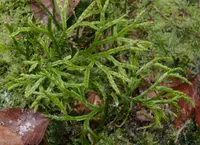
Groundcedar, Lycopodium complanatum, is a low, creeping clubmoss that forms dense, evergreen mats that resemble miniature conifer branches. It is not a true moss but an ancient vascular plant related to ferns.

This species occurs mainly in cool, temperate regions, often in dry, acidic forests, heaths, and sandy or rocky soils. It grows slowly and resents disturbance, which makes it more challenging to cultivate than many common houseplants.

Stable moisture, good drainage, and consistent cool conditions are important if you want to learn how to care for groundcedar, especially in pots or controlled gardens.

Main Plant Requirements

Care Difficulty

Hard Care

Light Preference

Partial Shade

Water Requirements

Keep Soil Moist

Temperature Preference

Cool Climate

Hardiness Zone

2–7

Soil Texture

Loamy, Peaty, Organic-rich

Soil pH

Strongly acidic (4.5–5.5), Acidic (5.5–6.5)

Soil Drainage

Moist but well-drained

Fertilization

Minimal (feed rarely)

Get Personalized Care Plan

Scan your plant to receive care tips personalized for your specific plant

Available on iOS and Android

How to Care for the groundcedar

This woodland clubmoss prefers soft, filtered light rather than direct, open sun.

  • Provide bright dappled shade or light filtered sun, such as beneath shrubs or open trees, for about 2–4 hours of gentle morning sun per day.
  • Avoid strong midday or afternoon sun, which can scorch groundcedar, bleach foliage, and dry the soil surface too quickly.
  • In summer, deepen shade slightly; in autumn and winter, allow a bit more indirect light where deciduous canopies thin, but still avoid harsh direct rays.

This species prefers consistently moist, never waterlogged, soil that does not dry out completely.

  • Water when the top 1–2 cm of soil feels just starting to dry, keeping the root zone evenly damp but not saturated.
  • Use loose, well‑drained, humus‑rich soil so excess water can drain, reducing the risk of root rot and sour, anaerobic conditions.
  • In cool, wet seasons reduce added water, but in hot, windy weather increase checks for drooping, crisping tips, or shrinking stems that signal moisture stress.

This temperate woodland plant prefers cool to mild conditions and dislikes temperature extremes.

  • Target an active growth range around 55–70°F (13–21°C), which supports steady development without stressing the fine root system.
  • Tolerates brief dips near 30°F (−1°C) once established, but repeated hard freezes below 25°F (−4°C) or exposed frost can damage delicate shoots.
  • In summer, protect from heat above about 80°F (27°C) with shade and moisture; prolonged hot, dry conditions can cause browning, stunting, or dieback.

This clubmoss needs consistently high humidity to maintain healthy, firm foliage.

  • Aim for 60–80% humidity, as prolonged levels below 50% cause frond tips to dry and brown.
  • In centrally heated or air-conditioned rooms, place the pot on a water-filled pebble tray to create a humid microclimate.
  • Use a room humidifier near groundcedar rather than frequent misting, which often dries too quickly to be effective.

This species prefers a loose, moist, acidic, forest-like substrate that stays aerated yet never waterlogged.

  • Use a mix of 40% fine pine bark, 30% peat or coco coir, and 30% coarse sand or perlite to mimic humus-rich woodland soil.
  • Keep structure light and fibrous so roots can spread through small pores rather than dense, compacted material.
  • Target a slightly acidic pH of 4.5–6.0, avoiding alkaline mixes containing large amounts of lime or hard tap water residues.
  • For Lycopodium complanatum, avoid heavy loam, pure peat, or any mix that stays soggy, which quickly leads to root decline.

This species can grow in containers if moisture, aeration, and horizontal space are managed carefully.

  • Choose a wide, shallow pot that matches the plant’s creeping habit and allows stems to spread without crowding.
  • Select a plastic or glazed container to slow moisture loss, especially in dry climates or heated rooms.
  • Elevate the pot slightly so drainage holes stay clear and excess water escapes quickly, preventing stagnant, anaerobic conditions.

This clubmoss is very light feeding, so use minimal fertilizer when grown in containers or intensively managed plantings.

  • Apply a half-strength balanced liquid fertilizer (such as 10-10-10) every 6–8 weeks during active spring–summer growth.
  • Avoid slow-release pellets in small pots, which can concentrate salts around fine roots of groundcedar.
  • Skip or greatly reduce feeding in fall–winter when growth slows.
  • Flush the substrate with plain water every 4–6 weeks to limit salt buildup.

Lycopodium complanatum needs only light pruning for tidiness and plant health rather than shaping.

  • Best time for any trimming is late winter to early spring, before new growth extends.
  • Pinch or clip off dead, browned, or mechanically damaged shoots with small, sharp scissors.
  • Remove congested or crossing stems near the base to maintain airflow and an even, mat-forming habit.
  • Avoid hard cutting back into older, leafless stems, as regrowth from these sections is limited.

This species is usually grown in the ground or in low, wide pans and resents frequent disturbance of its fine roots.

  • Plan transplanting or repotting for early spring, just as growth resumes and conditions are cool and moist.
  • Look for roots circling the container, slow extension of shoots, or compacted mix as signs a move is needed.
  • Shift to only a slightly larger, shallow container with a loose, well-drained, humus-rich mix to limit stress.
  • Handle mats gently, keep roots shaded and moist, then water thoroughly and maintain high humidity until recovery.

Propagation of Lycopodium complanatum is specialized and usually left to experienced growers or conservation programs.

This clubmoss is cold hardy in suitable climates and usually needs little winter attention once established outdoors.

  • In colder regions, apply a light mulch layer (2–5 cm) of leaves or pine needles to buffer root temperature.
  • Avoid heavy, waterlogged soils that freeze solid, which can damage fine roots and rhizomes.
  • Container-grown plants in cold zones can be overwintered in a cool, frost-free space with bright, indirect light.

Care Tips

Use Shaded Frames

Grow creeping shoots on low mesh or wooden frames placed under shade cloth to keep stems off soggy soil, improve air movement, and reduce fungal problems in humid conditions.

Divide In Active Growth

When clumps become dense, divide sections with several rooted points during mild, active growth periods and pot immediately into pre-moistened mix to minimize transplant shock and improve establishment.

Layering For Propagation

Pin healthy, flexible stems onto fresh substrate with small U-shaped wires and keep evenly moist so new rooting points form along the stem, creating fuller plants without cutting.

Cool-Water Irrigation

Use soft, cool (not cold) water delivered as a fine shower over the foliage and surface to mimic natural rainfall, which keeps the delicate shoots cleaner and reduces salt buildup at the root zone.

Gradual Site Shifting

If light or location must be changed, shift the plant in small steps over 7–10 days to avoid stress, as slow adaptation is important when caring for groundcedar in controlled environments.

Common Pests and Diseases

Fungal blight

This disease causes brown, water-soaked lesions on stems and branch tips, which later dry and turn tan or gray. Symptoms include dieback of the finer shoots, especially in dense, humid clumps.

Solution

Remove and discard affected stems promptly, then thin crowded growth to improve airflow and reduce surface moisture. Keep foliage drier by watering at the base, and if needed apply a sulfur- or copper-based fungicide labeled for ferns or clubmosses, following label directions carefully.

Stem rust

This disease produces small orange to brown pustules on stems and sometimes on scale-like leaves, leading to weakened, discolored shoots. Symptoms include roughened stem surfaces and progressive dieback of infected sections.

Solution

Cut out and destroy infected stems as soon as pustules are noticed, disinfecting cutting tools between plants. Reduce overhead watering, increase spacing and airflow, and in persistent cases use an appropriate rust-control fungicide according to label instructions.

Moss mites

These pests are tiny arachnids that feed on tender stems and leaf surfaces, causing dull, patchy discoloration and a roughened texture. This pest may also leave fine webbing within dense groundcover patches under dry, warm conditions.

Solution

Rinse the foliage thoroughly with a firm but gentle stream of water to dislodge mites, repeating several times over 1–2 weeks. Maintain slightly higher humidity, avoid letting the plant dry out completely, and if populations remain high consider releasing predatory mites or using a horticultural oil labeled for mite control.

Sciarid (fungus gnat) larvae

These insects live in damp, organic substrates and feed on young roots and stem bases, leading to stunted growth and yellowing or collapse of delicate shoots. Symptoms include small black adult gnats flying over very moist soil or propagation trays.

Solution

Allow the top layer of substrate to dry slightly between waterings while still keeping the root zone evenly moist, and improve drainage to avoid stagnant wet pockets. Use yellow sticky traps to reduce adult numbers and consider a biological control such as Bacillus thuringiensis israelensis (BTI) or beneficial nematodes targeted at soil-dwelling larvae.

Interesting Facts

Clubmoss but not a moss

This species is a vascular plant with true stems and specialized water-conducting tissue, even though it looks like a moss and often grows in mossy carpets in coniferous forests.

Creeping, flattened shoots

Its stems creep along the ground with characteristically flattened, fan-like branch systems, a growth form that helps it tolerate snow cover and low light in boreal and temperate woodlands.

Ancient spore-based reproduction

Instead of seeds, it produces microscopic spores from cone-like strobili on upright shoots, reflecting its ancient lineage among the oldest groups of land plants.

Botan icon

Did you know?

Lycopodium complanatum often forms extensive clonal mats in nutrient-poor, acidic forest soils, with individual genetic clones potentially persisting for centuries as new creeping stems replace old ones across the forest floor.

FAQs about groundcedar

This species spreads slowly to moderately by creeping stems and spores, usually forming low mats over several years. It is not typically aggressive in gardens but can gradually fill gaps in undisturbed, suitable groundcover areas.

Grow Healthy Plants with Botan Care

Keep your plants happy and healthy with plant identification, disease detection, and easy care guidance.

Botan plant care app — identify plants on mobile

Explore More Plants