dense-flowered loosestrife Care (Lysimachia congestiflora)

dense-flowered loosestrife

About dense-flowered loosestrife

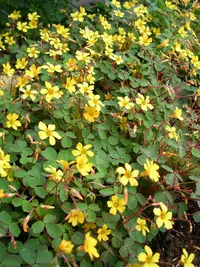
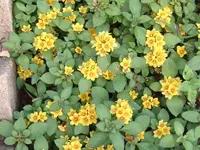
Lysimachia congestiflora, known as dense-flowered loosestrife, is a low, spreading perennial often grown as a groundcover or trailing plant in containers and baskets. It forms mats of small, rounded leaves that can be green or variegated, studded with clusters of bright yellow, star-shaped flowers.

This species occurs naturally in parts of China and nearby regions, typically in moist, open habitats. It is valued for fast growth, good coverage, and relatively low demands, which makes it straightforward to care for dense-flowered loosestrife in suitable conditions.

The plant generally prefers bright light without extreme heat, evenly moist but not waterlogged soil, and a site that does not dry out completely between waterings.

Main Plant Requirements

Care Difficulty

Easy Care

Light Preference

Partial Sun

Water Requirements

Keep Soil Moist

Temperature Preference

Warm Climate

Hardiness Zone

6–9

Soil Texture

Loamy, Silty, Organic-rich

Soil pH

Acidic (5.5–6.5), Slightly acidic (6.5–7.0)

Soil Drainage

Moist but well-drained

Fertilization

Light (every 4–6 weeks)

Get Personalized Care Plan

Scan your plant to receive care tips personalized for your specific plant

Available on iOS and Android

How to Care for the dense-flowered loosestrife

Lysimachia congestiflora thrives with bright conditions but dislikes intense, drying heat.

  • Provide 4–6 hours of sun daily, ideally with direct morning sun and bright, filtered light or light shade in the afternoon.
  • Plant in a spot with partial shade in hotter regions, as strong afternoon sun can scorch foliage and dry out shallow roots of dense-flowered loosestrife.
  • In summer, watch for pale, scorched leaves as a sign of too much sun, and in shade, expect weaker stems and fewer flowers.

This species prefers consistently moist soil and reacts quickly to drying out.

  • Water when the top 2–3 cm of soil feels slightly dry, aiming for evenly moist but not waterlogged conditions through the growing season.
  • Use soil with good drainage; yellowing, soft stems suggest overwatering, while limp, crisp leaves and shrinking clumps point to underwatering.
  • Reduce watering in cool seasons when growth slows, but do not allow the root zone of Lysimachia congestiflora to stay bone-dry for more than a day or two.

This plant grows best in mild conditions without temperature extremes.

  • Optimal growth occurs around 60–75°F (16–24°C), with steady moisture helping it handle warm periods more comfortably.
  • It tolerates short drops to about 25–30°F (-4 to -1°C), but repeated hard frosts can damage stems and reduce next season’s vigor.
  • In hotter climates above 85°F (29°C), combine partial shade and consistent soil moisture to limit heat stress and leaf scorch during peak summer.

This species prefers moderate humidity but adapts well to typical indoor levels.

  • Aim for 40–60% humidity; dense-flowered loosestrife generally copes with average household air.
  • Watch for crispy leaf edges and slowed growth as signs of humidity stress in very dry rooms.
  • Increase humidity by grouping plants, placing the pot on a pebble tray with water, or running a small nearby humidifier.

Lysimachia congestiflora grows best in moist, airy, organic-rich soil that never stays waterlogged.

  • Use a loamy mix with 50–60% peat or coco coir, 20–30% compost, and 20–30% perlite or coarse sand for both moisture retention and drainage.
  • Keep pH slightly acidic to neutral, around 6.0–7.0, to support nutrient availability and root health.
  • Improve aeration by adding extra perlite or fine bark if the mix compacts or dries slowly between waterings.
  • Avoid heavy clay, poorly drained beds, or containers without drainage, which quickly lead to root rot in this species.

This species is well suited to container growing on patios, balconies, or as a trailing accent.

  • Choose a wide, shallow container to accommodate its spreading root system and allow stems to trail over the rim.
  • Use a slightly heavier pot material, such as ceramic, to stabilize the plant as the foliage becomes dense and cascading.
  • Elevate the pot on feet or bricks so drainage holes stay clear and runoff water can escape quickly after heavy watering or rain.

This trailing perennial responds well to modest, consistent feeding during its active season.

  • Use a balanced liquid fertilizer (such as 10-10-10) at 1/2 strength every 4–6 weeks in spring and summer.
  • Alternatively, apply a thin layer of finished compost around the root zone once in spring for slow nutrient release.
  • For containers, a low-dose, slow-release fertilizer in early spring supports dense-flowered loosestrife growth without excess flushes.
  • Stop feeding in fall and winter to allow natural rest and reduce weak, elongated growth.

Thoughtful pruning keeps Lysimachia congestiflora compact, flowering well, and within bounds.

  • In early spring, trim back leggy or winter-damaged stems with clean, sharp scissors or pruners.
  • Remove dead, diseased, or overcrowded shoots whenever noticed to improve air flow and reduce fungal problems.
  • Lightly shear after main flowering to encourage fresh growth and a tidier, cascading shape.
  • Pinch soft tips on young plants to promote branching and denser foliage coverage.

This species adapts well to both containers and ground beds when transplanted with minimal root disturbance.

  • Plan repotting or transplanting in early spring, just as new growth starts, to support quick establishment.
  • Look for roots circling the pot, slow growth, or frequent drying as signs a container plant needs more space.
  • Shift into a pot 2–5 cm wider, using well-drained soil; keep the root ball as intact as possible.
  • Water thoroughly after moving, then keep evenly moist and shaded for 3–5 days to limit transplant shock.

Lysimachia congestiflora is commonly multiplied by division and softwood cuttings under mild conditions.

  • Divide mature clumps in early spring, replanting vigorous sections with several shoots and healthy roots.
  • Take 5–8 cm soft stem cuttings in late spring, removing lower leaves and inserting into moist, free-draining mix.
  • Maintain bright, indirect light and high humidity around cuttings until roots form, typically in 2–4 weeks.
  • Seeds can be sown in spring on the surface of moist substrate, kept at 65–70°F for even germination.

This plant is moderately cold tolerant but benefits from simple winter precautions, especially in containers.

  • In regions with frost, add a 5–8 cm mulch layer around roots in late fall to moderate soil temperature.
  • Allow top growth to die back naturally, then trim off spent stems in late winter or early spring.
  • Move containers to a sheltered, unheated but frost-free spot, and water sparingly to keep soil just barely moist.

Care Tips

Edge containment

Install a shallow root barrier or edging strip 10–15 cm deep around beds to keep this creeper from invading adjacent plantings while still allowing it to fill in as a groundcover.

Pinch for density

Pinch or lightly shear back soft shoot tips after the first flush of flowers to encourage tighter, more branched mats and a second wave of blooming.

Rejuvenation division

Every 2–3 years, lift and divide congested patches in early spring, replanting only the freshest outer sections to maintain vigorous, floriferous growth.

Cascading basket training

In containers or hanging baskets, gently drape and guide young stems over the rim in one direction so they form an even cascade rather than a tangled mass.

Moisture-smart mulching

Apply a thin, fine-textured mulch under but not over the crown to stabilize soil moisture and reduce weed competition when growing dense-flowered loosestrife in sunny beds.

Common Pests and Diseases

Aphids

This pest often clusters on young stems and undersides of leaves, sucking sap and causing curling, distortion, and sticky honeydew that can lead to sooty mold. Symptoms include stunted new growth and small, misshapen leaves on trailing shoots.

Solution

Rinse colonies off trailing stems with a firm stream of water, then inspect weekly and repeat washes as needed. For heavier infestations, use insecticidal soap or a ready-to-use neem oil spray, making sure to coat the undersides of leaves and tender growing tips while avoiding application in full, hot sun.

Spider mites

These insects are tiny sap feeders that become a problem in hot, dry conditions, especially when plants are in baskets or containers under cover. Symptoms include very fine webbing on stems, dull or speckled foliage, and gradual yellowing and drop of older leaves.

Solution

Increase humidity around the plant with more frequent watering of surrounding soil and gentle hosing of the foliage, then wash leaves thoroughly to remove mites and webbing. If populations persist, apply insecticidal soap or horticultural oil, repeating at 5–7 day intervals until new growth appears clean.

Leaf spot

This disease produces small, water-soaked spots that enlarge into brown or tan lesions, often with a yellow halo, on the relatively thin leaves of this species. In wet summers or crowded groundcover plantings, lesions can merge and cause significant leaf drop along the mat of stems.

Solution

Remove and discard heavily spotted leaves and any fallen debris around the base to reduce pathogen spread, then water at soil level rather than overhead to keep foliage dry. Improve air movement by thinning overly dense patches and, if needed, apply a labeled copper or chlorothalonil fungicide as a preventive spray during prolonged wet weather, following all product directions carefully.

Powdery mildew

This disease shows as white, powdery patches on leaves and stems, most often when plants grow in partial shade with limited airflow and warm, humid conditions. Symptoms include distorted new leaves, reduced vigor, and gradual decline in dense groundcover carpets.

Solution

Prune and thin congested sections to open up the planting and discard the most affected shoots, then avoid overhead watering and wet foliage in the evening. In persistent cases, use a sulfur or potassium bicarbonate fungicide labeled for ornamentals, coating both upper and lower leaf surfaces and repeating as directed until new growth remains clean.

Slugs and snails

These pests feed on the soft foliage and trailing stems, creating irregular holes and shredded edges, especially in moist, shaded plantings and along the soil surface under the foliage mat. Symptoms include missing sections of young leaves and slime trails on or near the plant.

Solution

Hand-pick slugs and snails in the evening or early morning and remove hiding places such as boards or dense debris around the planting. If damage continues, place iron phosphate bait stations around, but not directly on, the plant and maintain a slightly drier soil surface by watering early in the day so foliage and mulch dry before nightfall.

Interesting Facts

Native Chinese stream banks

This species is naturally distributed in south-central and southeastern China, where it often grows along moist stream banks and open forest margins, adapting to periodically wet but well-drained soils.

Trailing mat-forming habit

It forms slender, creeping stems that root at the nodes, creating dense, low carpets and long trailing shoots that can spill attractively over rocks and walls.

Distinctive congested blooms

The species name congestiflora refers to its crowded clusters of bright yellow, star-shaped flowers that sit tightly grouped at the stem tips, unlike the more widely spaced blooms of many other loosestrifes.

Botan icon

Did you know?

Several horticultural selections of this species, such as the bronze-leaved form 'Outback Sunset', were developed specifically for ornamental groundcover use because they combine tight, carpeting growth with foliage color that contrasts strongly against the bright yellow flowers.

FAQs about dense-flowered loosestrife

This species forms low, spreading mats but is usually not aggressively invasive in managed gardens. It can edge into neighboring areas over time, so light edging or occasional division keeps it within its intended space.

Grow Healthy Plants with Botan Care

Keep your plants happy and healthy with plant identification, disease detection, and easy care guidance.

Botan plant care app — identify plants on mobile

Explore More Plants