


Stolon management
Inspect and trim back long stolons every 2–3 months to keep the plant compact and encourage branching rather than letting runners tangle and shade inner growth.

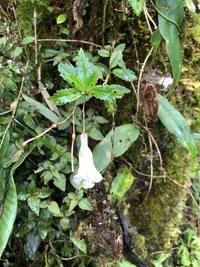
Lysionotus pauciflorus is a small, evergreen gesneriad valued for its delicate tubular flowers and tidy, mounded growth. It typically forms compact clumps with glossy green leaves and pale, often lightly speckled blooms.
This species is native to humid, shaded habitats in parts of Asia, where it grows on rocks or in leaf litter in forested areas. Its preference for stable moisture, moderate temperatures, and protection from harsh sun makes it best suited to sheltered outdoor spots in mild climates or as a container plant indoors.
Once its light and moisture needs are understood, it is relatively manageable, so learning how to care for Lysionotus pauciflorus helps keep it long-lived and floriferous.

Care Difficulty
Moderate Care

Light Preference
Partial Shade

Water Requirements
Keep Soil Moist

Temperature Preference
Tropical / Frost Sensitive

Hardiness Zone
Unknown

Soil Texture
Loamy, Peaty, Organic-rich

Soil pH
Acidic (5.5–6.5), Slightly acidic (6.5–7.0)

Soil Drainage
Moist but well-drained

Fertilization
Light (every 4–6 weeks)
Scan your plant to receive care tips personalized for your specific plant
Available on iOS and Android
This shade-tolerant gesneriad prefers soft, filtered light similar to bright woodland conditions.
This species prefers evenly moist but not saturated soil that never dries out completely.
This plant grows best in mild, frost-free conditions with stable, moderate temperatures.
This species appreciates moderate to high humidity for sustained flowering and leaf health.
Soil for this plant should be light, airy, and evenly moist yet never waterlogged.
This species is well suited to container growing for controlled moisture and shelter from harsh weather.
This species benefits from light feeding during its active growing season but reacts poorly to heavy nutrient doses.
Light pruning keeps this plant compact and maintains flowering performance without stressing it.
This species prefers stable conditions and benefits from repotting only when clearly root bound.
This plant is most often propagated by stem cuttings under warm, humid conditions.
This plant dislikes hard frost and benefits from moderate protection in colder climates.

Plant Health Check
Not sure what's wrong with your plant? Check your plant's health inside the app.
This species often grows as a lithophyte on shaded, moist limestone cliffs and rocks, anchoring its roots in thin mossy crevices rather than deep soil.
Its narrow, tubular pale flowers with darker markings are adapted for insect pollinators that can navigate tight floral tubes, a common trait in the Gesneriaceae family but expressed here in particularly small, few-flowered clusters.
The plant maintains small, leathery, evergreen leaves that help reduce water loss in its natural cliffside habitats, where substrates dry out quickly between rains.
This species usually performs best in a sheltered outdoor spot with mild, frost-free conditions. In colder regions it is often grown indoors or in a greenhouse, provided humidity, airflow, and light are carefully managed.
Keep your plants happy and healthy with plant identification, disease detection, and easy care guidance.

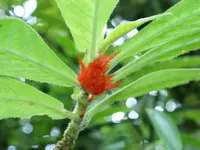
Columnea purpurata
Columnea purpurata
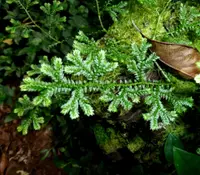
Krauss's Clubmoss
Selaginella kraussiana
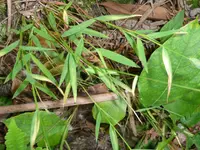
Pogonatherum crinitum
Pogonatherum crinitum
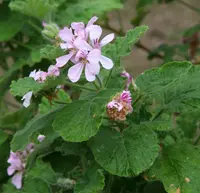
oakleaf garden geranium
Pelargonium panduriforme
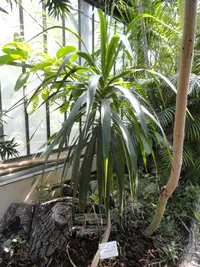
Dracaena concinna
Dracaena concinna
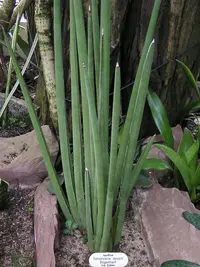
Dracaena pearsonii
Dracaena pearsonii
 POPULAR
Flamingo Flower
Anthurium andraeanum
Red Azalea
Rhododendron simsii