


Prayer Plant (Maranta leuconeura 'Erythroneura') Light Needs

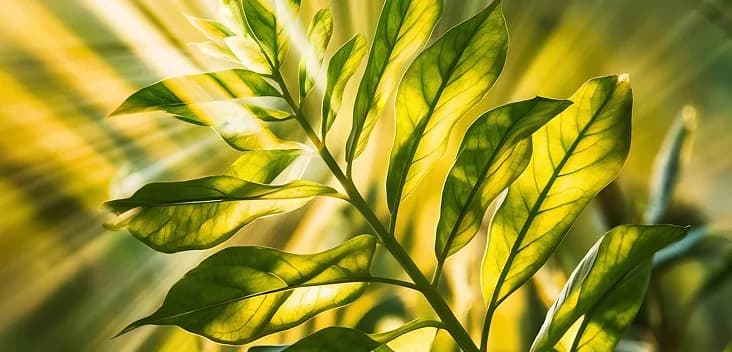
The Prayer Plant grows best in bright, indirect light with protection from harsh direct afternoon sun indoors.

Light Preference

Bright Indirect Light

Maranta leuconeura 'Erythroneura' Light Requirements

Maranta leuconeura comes from humid tropical forest understories in Brazil, where taller vegetation filters most direct sun. Light is bright but broken, with brief, softer sun reaching the leaves at times and heavier shade during dense canopy growth.

That background explains why cultivated plants handle shade better than open sun, but keep their strongest color in steady filtered light. Preferred light is bright indirect light.

  • Ideal exposure:

    Maranta leuconeura 'Erythroneura' needs about 6–8 hours of bright indirect or filtered light daily, including up to 1–2 hours of gentle direct morning sun.

  • Direct sun:

    Short, soft sun is tolerated, but full sun and hot afternoon rays can scorch the thin leaves.

  • Lower light:

    Shade is tolerated better than strong sun, though growth may slow and leaf markings may look less defined.

  • Best timing:

    Morning light is safer than afternoon light because it is cooler and less likely to cause sun stress.

Indoors, Prayer Plant does best where light is bright but softened before it reaches the leaves.

NSuitable
North-facing window:

A north-facing window is suitable if it is unobstructed and bright, but a shaded or distant north exposure may be too dim.

EBest
East-facing window:

An east-facing window is usually best because it gives gentle morning sun and bright indirect light for the rest of the day.

SConditional
South-facing window:

A south-facing window is conditional and should be filtered with a sheer curtain or placed several feet back from direct rays.

WConditional
West-facing window:

A west-facing window is conditional because afternoon sun can be harsh, so use filtering or keep the plant 4–6 ft from the glass.

Adjust the position if leaf color fades, leaves curl in bright hours, or new growth stretches toward the light.

Thin leaves can show stress after strong exposure.

Faded pattern:

Leaf markings may look washed out or less crisp after several days in intense light.

Bleached patches:

Pale tan areas on the side facing the glass can indicate sun scorch, especially after a sudden move.

Daytime curling:

Leaves may curl or fold during bright hours as they reduce exposed surface area.

Crisp sun-facing spots:

Dry, papery spots are most suspicious when they appear only on leaves closest to direct rays.

Move the plant out of the direct beam and keep it in filtered light. Damage will not turn green again, so judge improvement by healthy new growth.

Low light often shows as weaker growth rather than sudden damage.

  • Leaning growth:

    Stems and leaves may angle strongly toward the nearest bright source instead of growing evenly.

  • Wider spacing:

    New leaves may appear farther apart on the stems as growth stretches for light.

  • Muted markings:

    The red veins and dark patterning can look less distinct when light stays too weak.

  • Small new leaves:

    Fresh growth may come in smaller than older leaves during the active growing season.

Move the plant gradually into brighter indirect light. Avoid a sudden jump into direct sun, which can create a new stress problem.

If ideal brightness is not available, choose the brightest spot that never receives harsh afternoon sun. A position close to filtered glass is usually better than a dim corner.

Rotate the pot every 1–2 weeks so new leaves do not lean strongly toward one side. Use a sheer curtain when direct rays touch the foliage.

Avoid full, unfiltered sun, even for part of the day, because the thin leaves are prone to scorch.

Get Personalized Care Plan

Scan your plant to receive care tips personalized for your specific plant

FAQ

The best light for Prayer Plant is bright, indirect light for about 6–8 hours daily. Gentle morning sun is usually fine, but harsh direct afternoon sun can mark the leaves.

Everything About Prayer Plant

More Plant Light Guides

Get the Botan App

Discover how to care for your plants with Botan.

Botan app identifying a plant with a phone camera
How to Clean Plant Leaves: A Simple Care Guide

6 min read · 4 Aug 2026

How to Clean Plant Leaves: A Simple Care Guide

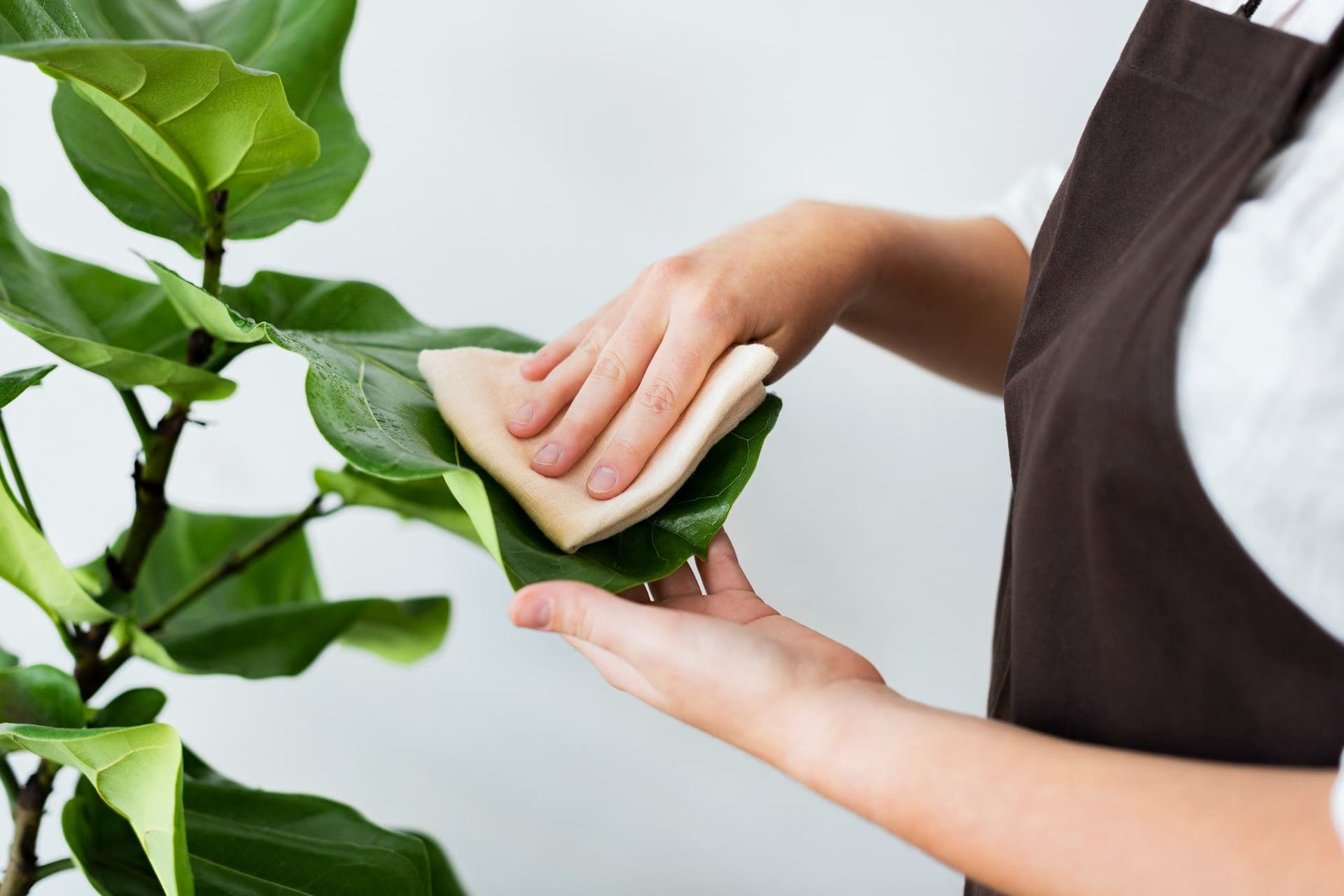
Dusty leaves look dull and don't absorb light well. Below, you'll find simple ways to clean them, which tools are truly effective, how often you should do it, and what causes damage.

Beginner Guides

How to Clean Plant Leaves: A Simple Care Guide
Frozen vs Fresh Vegetable Nutrients: Which Option Is Healthier?

6 min read · 8 Sept 2026

Frozen vs Fresh Vegetable Nutrients: Which Option Is Healthier?

Frozen and fresh vegetables are nutritionally comparable: frozen produce often retains vitamins just as well as fresh and may sometimes contain more. Here’s how blanching and storage affect nutrients—and when to choose each.

Plant Recommendations
Frozen vs Fresh Vegetable Nutrients: Which Option Is Healthier?
Plant Pot Sizes: How to Choose the Right Plant Container

7 min read · 20 Aug 2026

Plant Pot Sizes: How to Choose the Right Plant Container

Plant pot sizes can be confusing because the number on the label only tells you part of the required information. A container may look spacious but actually be too shallow. So, how to choose pot size for plant species?

Beginner Guides
Plant Pot Sizes: How to Choose the Right Plant Container