



capote (Xanthosoma robustum) Light Needs

capote grows best in bright filtered light or partial shade, with only gentle morning sun.

Light Preference

Partial Shade

Xanthosoma robustum Light Requirements

Xanthosoma robustum grows as a large foliage plant in humid, sheltered tropical habitats where light is broken by taller vegetation. It may receive bright sky exposure at forest edges or openings, but the broad leaves are not built for prolonged harsh sun. Cultivated plants follow the same pattern: steady brightness is useful, while protection from intense afternoon sun matters. Preferred light is filtered light or partial shade.

  • Ideal exposure:

    Xanthosoma robustum needs about 6–8 hours of bright filtered light or partial shade daily, including up to 2–3 hours of gentle direct morning sun.

  • Direct sun:

    Brief early sun is tolerated, but full-day sun and harsh afternoon exposure can scorch the large leaves.

  • Lower light:

    Shade is tolerated, but deep shade usually leads to slower growth and smaller new leaves.

  • Best timing:

    Morning light is safer than late-day sun, especially during hot summer weather.

Excess light usually shows first on the broad, exposed leaves.

Bleached patches:

Pale tan or whitish areas may appear where direct sun hits the leaf surface most strongly.

Crisp scorch:

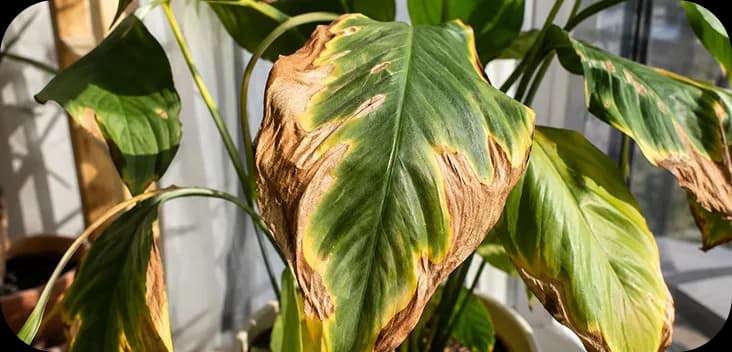
Dry brown patches can form after sudden exposure to hot afternoon sun, especially on older outer leaves.

Faded color:

Leaves may look washed out instead of evenly green when the plant sits in light that is too intense.

Heat droop:

Large leaves may sag during bright, hot periods even when the soil is not dry.

Move Xanthosoma robustum into brighter shade or filtered light right away. Keep any direct sun limited to the cooler morning hours while new leaves adjust.

Too little light tends to show as weak, stretched growth rather than immediate leaf damage.

  • Long petioles:

    Leaf stalks may become unusually long as the plant reaches toward the brightest side.

  • Leaning growth:

    New leaves often angle toward available light, making the plant look one-sided.

  • Small new leaves:

    Fresh growth may emerge smaller than expected when light stays too dim for steady energy production.

  • Weak leaf stance:

    New leaves may sit on thinner, less sturdy stalks in very dim positions.

  • Slow summer growth:

    Xanthosoma robustum may produce fewer leaves during the warm growing season if it remains in deep shade.

Shift it to brighter filtered light over several days. Avoid moving it straight from shade into strong afternoon sun.

Choose the brightest shade or filtered outdoor position when ideal partial shade is limited; a spot with morning sun and afternoon protection is the safest compromise.

Increase usable light by moving the container a few feet toward the open sky, thinning overhead cover, or rotating the pot every 1–2 weeks.

Avoid exposed western or southern walls in summer because reflected heat can make brief sun stronger than this species tolerates.

Get Personalized Care Plan

Scan your plant to receive care tips personalized for your specific plant

FAQ

The best light for capote is bright filtered light or partial shade, with a short period of gentle morning sun if temperatures are mild.

More Plant Light Guides

Get the Botan App

Discover how to care for your plants with Botan.

Botan app identifying a plant with a phone camera
How Fast Does Bamboo Grow Per Day, Month, and Year

10 min read · 7 Jul 2026

How Fast Does Bamboo Grow Per Day, Month, and Year

Bamboo grows extremely fast: some species can reach 5-6 m in just 3-4 months under the right conditions. This guide explains how much bamboo can grow per day, week, and year, and what affects its growth rate.

Plant Recommendations
How Fast Does Bamboo Grow Per Day, Month, and Year
Best Fertilizer for Vegetable Gardens – What to Use for Each Plant

11 min read · 20 Jul 2026

Best Fertilizer for Vegetable Gardens – What to Use for Each Plant

Here, you’ll find the right fertilizer formula for vegetables in your garden. Learn how to adjust feeding correctly throughout the growing cycle, spot nutrient deficiencies by their symptoms, and keep your plants healthy and prolific.

Plant Recommendations
Best Fertilizer for Vegetable Gardens – What to Use for Each Plant
12 Best Plants for Bathroom That Thrive in Humid Conditions

9 min read · 29 Sept 2026

12 Best Plants for Bathroom That Thrive in Humid Conditions

Discover the 12 best plants for bathroom spaces. Each pick comes with its own advantages, plus light, humidity, watering, and placement tips. Take a look and match the plant to your specific bathroom.

Plant Recommendations
12 Best Plants for Bathroom That Thrive in Humid Conditions