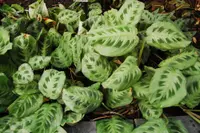



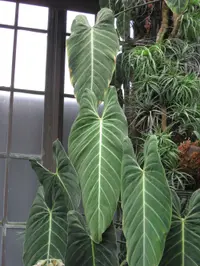

Prayerplant (Maranta leuconeura) Light Needs

Prayerplant grows best in bright, indirect or filtered light with little to no harsh direct sun.

Light Preference

Bright Indirect Light

Maranta leuconeura Light Requirements

Maranta leuconeura is native to humid tropical forests of Brazil, where it grows below taller vegetation rather than in open sun. In that setting, leaves receive dappled light, softened morning or late-day sun, and shade during the hottest parts of the day. Indoor care works best when this filtered forest light is copied. Prayerplant prefers steady bright, indirect light indoors.

  • Ideal exposure:

    Maranta leuconeura needs about 6–8 hours of bright, indirect or filtered light daily, including up to 1–2 hours of gentle direct morning sun.

  • Direct sun limit:

    Avoid full sun; thin leaves can scorch when exposed to hot midday or afternoon rays.

  • Lower light:

    Moderate shade is tolerated, but growth may slow and leaf markings can look less defined.

  • Morning sun:

    Early sun is safest when filtered by glass or a sheer curtain, especially in summer.

Indoors, place it where daylight is bright but softened before it reaches the leaves.

NConditional
North-facing window:

A north-facing window is conditional and works best only if it is large, unobstructed, and close enough to provide steady brightness.

EBest
East-facing window:

An east-facing window is best because it provides gentle morning sun and bright indirect light for much of the day.

SConditional
South-facing window:

A south-facing window is suitable only with a sheer curtain or a position 3–6 ft from the glass.

WConditional
West-facing window:

A west-facing window is conditional because afternoon sun is stronger and should be filtered or kept off the leaves.

If the leaf surface feels warm in direct sun, the placement is too exposed.

Excess light usually appears where leaves face the strongest sun.

Faded patterns:

Leaf markings may look washed out after repeated exposure to strong direct rays.

Bleached patches:

Pale tan or whitish areas can form on sun-facing leaves, especially after a sudden move.

Crisped sections:

Dry, papery spots may appear on exposed leaf surfaces rather than evenly across the plant.

Curling in sun:

Leaves may curl during bright afternoon exposure as Maranta leuconeura reduces exposed surface area.

Move it out of direct afternoon sun immediately. Keep the plant in bright filtered light and watch new growth for a healthier pattern.

Low light can be tolerated for a while, but growth quality often changes.

  • Leaning growth:

    Stems may angle toward the nearest window as the plant searches for brighter exposure.

  • Longer spacing:

    New leaves can develop farther apart, giving the plant a looser shape.

  • Duller markings:

    The patterned foliage may look less crisp when light is too weak for steady growth.

  • Smaller new leaves:

    Fresh leaves may open smaller than older ones during the active growing season.

  • Slow active growth:

    Maranta leuconeura may produce few new leaves in spring or summer despite stable care.

Move it closer to a bright window with filtered light. Increase exposure gradually over several days.

If ideal light is limited, choose the brightest area that stays out of harsh afternoon sun. A spot with steady ambient brightness is a better compromise than a dim corner.

Turn the pot a quarter turn every 1–2 weeks so new growth does not lean toward one side.

Do not place it where direct sun hits the leaves for several afternoon hours; that setup is too intense for thin foliage.

Get Personalized Care Plan

Scan your plant to receive care tips personalized for your specific plant

FAQ

The best light for Prayerplant is bright, indirect or filtered light for about 6–8 hours daily. Gentle morning sun is acceptable, but hot direct sun is not ideal.

Everything About Prayerplant

More Plant Light Guides

Get the Botan App

Discover how to care for your plants with Botan.

Botan app identifying a plant with a phone camera
How to Group Plants in Landscaping: A Practical Layout Guide

8 min read · 31 Aug 2026

How to Group Plants in Landscaping: A Practical Layout Guide

Good plant grouping can mean the difference between a well-planned garden and one that looks sloppy. This guide explores layers, spacing, cluster shapes, and the plants that thrive when you group them.

Plant Care
How to Group Plants in Landscaping: A Practical Layout Guide
Dill Companion Plants – What to Grow Next to Dill

9 min read · 17 Jul 2026

Dill Companion Plants – What to Grow Next to Dill

Dill is an easy-to-grow plant that gets along well with many vegetables. This guide describes 15 plants that can be planted alongside it, a few to avoid, and mistakes that can quietly sabotage the entire process.

Plant Recommendations
Dill Companion Plants – What to Grow Next to Dill
Rice Water for Plants – Which Plants Love It and How to Make It

8 min read · 14 Jul 2026

Rice Water for Plants – Which Plants Love It and How to Make It

Rice water can be an ideal DIY solution for orchids, roses, or fruiting plants. It supports growth, leaf count, and height. We’ll share how to make and apply it correctly for your plant.

Plant Care
Rice Water for Plants – Which Plants Love It and How to Make It