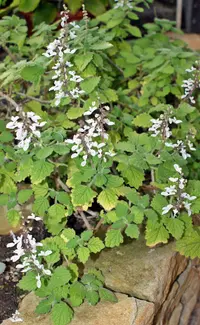
teabush Care (Melochia tomentosa)

Also known as: Gulf Teabush
teabush

About teabush

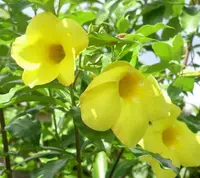
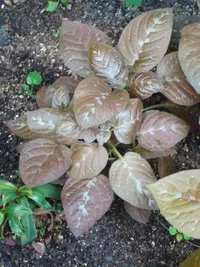
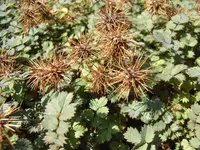
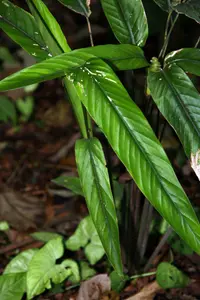
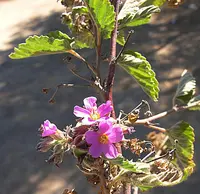
Teabush, Melochia tomentosa, is a small woody shrub known for its upright, branching habit and small, fuzzy leaves. It often carries clusters of delicate pink to purple flowers that attract pollinators. Native to arid and semi-arid regions of the Americas, it is naturally adapted to heat, sun, and poor, sandy soils. This background makes it a low-maintenance choice in dry gardens where many other plants struggle. The shrub tolerates drought once established and usually prefers full sun and well-drained soil. These traits simplify how to care for teabush in warm, dry climates, as long as the roots do not sit in waterlogged conditions.

Main Plant Requirements

Care Difficulty

Easy Care

Light Preference

Full Sun

Water Requirements

Low Water

Temperature Preference

Tropical / Frost Sensitive

Hardiness Zone

9–11

Soil Texture

Sandy, Loamy, Rocky

Soil pH

Acidic (5.5–6.5), Slightly acidic (6.5–7.0)

Soil Drainage

Well-drained

Fertilization

Minimal (feed rarely)

Get Personalized Care Plan

Scan your plant to receive care tips personalized for your specific plant

Available on iOS and Android

How to Care for the teabush

This sun-loving shrub thrives in bright, open sites in warm climates.

  • Provide 6–8 hours of direct sun daily; morning and midday sun are ideal, with some light afternoon shade in very hot regions.
  • Teabush tolerates light partial shade (3–4 hours sun), but flowering and compact growth decrease as shade increases.
  • In summer, foliage may scorch in reflected or intense late-afternoon sun; in winter, choose the sunniest available spot to maintain vigor.

This drought-tolerant shrub prefers deep, infrequent watering once established.

  • Water only when the top 5–7 cm of soil are completely dry; in hot, dry periods, this may mean soaking the root zone every 7–14 days in the ground.
  • Use fast-draining soil or a sandy, rocky bed so water does not pool around roots, which increases risk of rot and yellowing leaves.
  • Reduce watering in cool months, watching for limp, curling leaves as a sign of underwatering and soft, blackened stems as a sign of overwatering in Melochia tomentosa.

This warm-climate shrub performs best in consistently hot, frost-free conditions.

  • Aim for 70–90°F (21–32°C) for strong growth and flowering; it tolerates brief spikes up to about 100°F (38°C) if soil is not waterlogged.
  • Avoid frost; tissue damage often starts around 30–32°F (-1–0°C), and the plant may die back to the base with harder freezes.
  • In areas with cool winters below 40°F (4°C), treat it as a tender shrub, providing shelter, mulch around the root zone, or seasonal protection.

This species handles dry conditions but grows best in moderately dry to average air.

  • Target 30–50% humidity, which matches most heated or air-conditioned homes in arid and semi-arid regions.
  • Leaves curling at the edges or developing crisp tips indicate humidity stress combined with underwatering or hot wind exposure.
  • Increase local humidity only if air is extremely dry by grouping plants and shielding teabush from direct hot drafts.

Melochia tomentosa prefers lean, fast-draining soil that does not stay wet.

  • Use a sandy or sandy-loam mix with plenty of mineral content so water drains through in seconds, not minutes.
  • Blend roughly 50–70% coarse sand or fine gravel with 20–40% loam and 10–20% compost for light nutrition.
  • Aim for slightly alkaline to neutral pH around 7.0–8.0, typical of calcareous or desert-edge soils.
  • Avoid heavy clay, peat-heavy mixes, or compacted beds that hold water and reduce root aeration.

This shrub can be grown in containers if drainage and root space are carefully managed.

  • Choose a deep, heavy pot to anchor the tall, branching canopy and reduce tipping in strong wind.
  • Select fabric or unglazed clay containers in hot climates to let excess moisture evaporate faster from the root zone.
  • Fill the pot with a very coarse, gritty mix so water drains freely and the lower third of the root ball does not stay saturated.

Melochia tomentosa grows well in lean soils and usually needs only light feeding in cultivation.

  • Use a balanced, slow-release fertilizer (for example 10-10-10) at half strength at the start of spring.
  • In very poor soils, supplement with a thin layer of compost around the drip line, keeping it off the stem.
  • Feed once more in midsummer if growth is weak; skip extra feeding if plants look vigorous.
  • Stop fertilizing in late summer so new growth hardens before cooler weather.

Melochia tomentosa responds well to light structural pruning that maintains a compact, flowering shrub form.

  • Carry out main pruning in late winter or very early spring before strong new growth starts.
  • Remove dead, diseased, crossing, or wind-damaged branches back to healthy wood using clean, sharp bypass pruners.
  • Shorten overly long shoots by up to one-third to control height and encourage denser branching.
  • After flowering, lightly thin crowded interior branches to improve air flow and light penetration.

This species is most often grown in the ground, so focus on careful transplanting rather than frequent repotting.

  • Transplant young plants in spring once frost risk has passed, when soil is warm and workable.
  • Shift container-grown teabush only when roots circle the pot or growth slows despite good care.
  • Move into a container 1–2 in wider, using a gritty, well-drained mix to limit waterlogging stress.
  • Water thoroughly after planting, then keep soil lightly moist until new growth confirms establishment.

Melochia tomentosa is commonly propagated from seed and semi-ripe cuttings under warm, bright conditions.

  • Sow fresh seed in spring in a fast-draining mix; maintain 70–80°F and even moisture until germination.
  • Lightly cover seeds, as they benefit from darkness but still need air circulation to avoid damping-off.
  • Take semi-ripe stem cuttings in late spring–summer, 7–10 cm long, with lower leaves removed.
  • Insert cuttings into moist, sandy mix, optionally with rooting hormone, and keep humidity high until rooted.

This warm-climate shrub has low frost tolerance and benefits from basic winter protection in cooler areas.

  • In USDA zones colder than 9, grow in containers and move indoors or into a frost-free greenhouse.
  • Mulch the root zone with 5–8 cm of dry organic material, keeping mulch slightly away from the stems.
  • In marginal climates, use breathable frost cloth on cold nights to limit stem and foliage damage.

Care Tips

Wind-hardening young plants

Grow seedlings or young plants in a slightly breezy, open spot so their stems flex gently, which builds stronger wood and reduces breakage once the shrub reaches full size.

Encourage bushy form

Pinch or lightly tip-prune new shoots when they are 10–15 cm long to encourage branching low on the plant, which produces a denser, more floriferous shrub with less tendency to become leggy.

Deep staking for support

In exposed sites, install a single stout stake just outside the root zone and loosely tie the main stem in two places to keep the plant upright while still allowing some movement that promotes sturdy growth.

Mulch for root resilience

Apply a 5–7 cm layer of coarse organic mulch around but not touching the stem to buffer soil temperature, reduce competition from weeds, and help roots stay active longer into dry periods when growing teabush.

Timed seed collection

If seed saving is desired, monitor forming capsules and collect them as they turn brown and begin to dry, then finish drying in a paper bag indoors so seeds fully mature without being lost to shattering or rain.

Common Pests and Diseases

Whiteflies

This pest often colonizes the undersides of young teabush leaves, sucking sap and causing leaf yellowing, sticky honeydew, and reduced vigor.

Solution

Monitor the underside of leaves regularly, remove heavily infested shoots, and use a strong stream of water to dislodge adults and nymphs; in persistent cases, apply insecticidal soap or horticultural oil in the early morning, repeating weekly until populations decline.

Leaf spot

This disease causes scattered brown to dark-purple spots on leaves, sometimes with a pale center, leading to premature leaf drop in humid or crowded conditions.

Solution

Prune to improve airflow, avoid overhead watering, and promptly remove and discard affected leaves; in severe or recurring cases, apply a copper-based or chlorothalonil fungicide according to label directions during warm, wet periods.

Aphids

These insects cluster on soft new growth, stems, and flower buds, extracting sap and leading to distorted leaves, sticky honeydew, and occasional sooty mold growth.

Solution

Pinch or hose off colonies, encourage natural predators such as lady beetles, and if needed use insecticidal soap or a light horticultural oil, ensuring thorough coverage of tender shoot tips and repeating treatment every 5–7 days until under control.

Spider mites

This pest becomes more common on teabush in hot, dry weather, causing fine stippling, dulled foliage color, and delicate webbing between leaves and stems.

Solution

Increase humidity around the plant, regularly rinse foliage with water to knock mites off, and treat persistent infestations with horticultural oil or insecticidal soap, focusing on the undersides of leaves and repeating applications as eggs hatch.

Interesting Facts

Desert wash specialist

This shrub is naturally found along dry washes, dunes, and rocky slopes from southern Texas through Mexico into Central America, showing strong adaptation to sandy, fast-draining, low-nutrient soils in arid and semi-arid climates.

Hairy drought defenses

Its leaves and young stems are densely covered in short hairs (tomentum), which help reduce water loss and reflect intense sunlight, a common drought-adaptation strategy in plants from hot, dry habitats.

Nectar source for wildlife

The small pink to lavender flowers are highly attractive to native bees, butterflies, and other pollinators in its range, making the shrub an important nectar resource in dry landscapes where floral options can be limited.

Botan icon

Did you know?

In parts of its native range, especially in northeastern Mexico, Melochia tomentosa is so closely associated with dry, disturbed ground and roadside habitats that local botanists use its presence as an indicator of past soil disturbance and ongoing arid-land succession patterns.

FAQs about teabush

Poor flowering usually comes from too little light, excess nitrogen fertilizer, or heavy, untimed pruning that removes flower buds. Check that the plant is mature, receives strong sun, and is pruned lightly right after the main bloom period.

Grow Healthy Plants with Botan Care

Keep your plants happy and healthy with plant identification, disease detection, and easy care guidance.

Botan plant care app — identify plants on mobile

Explore More Plants