
7 min read · 6 Aug 2026
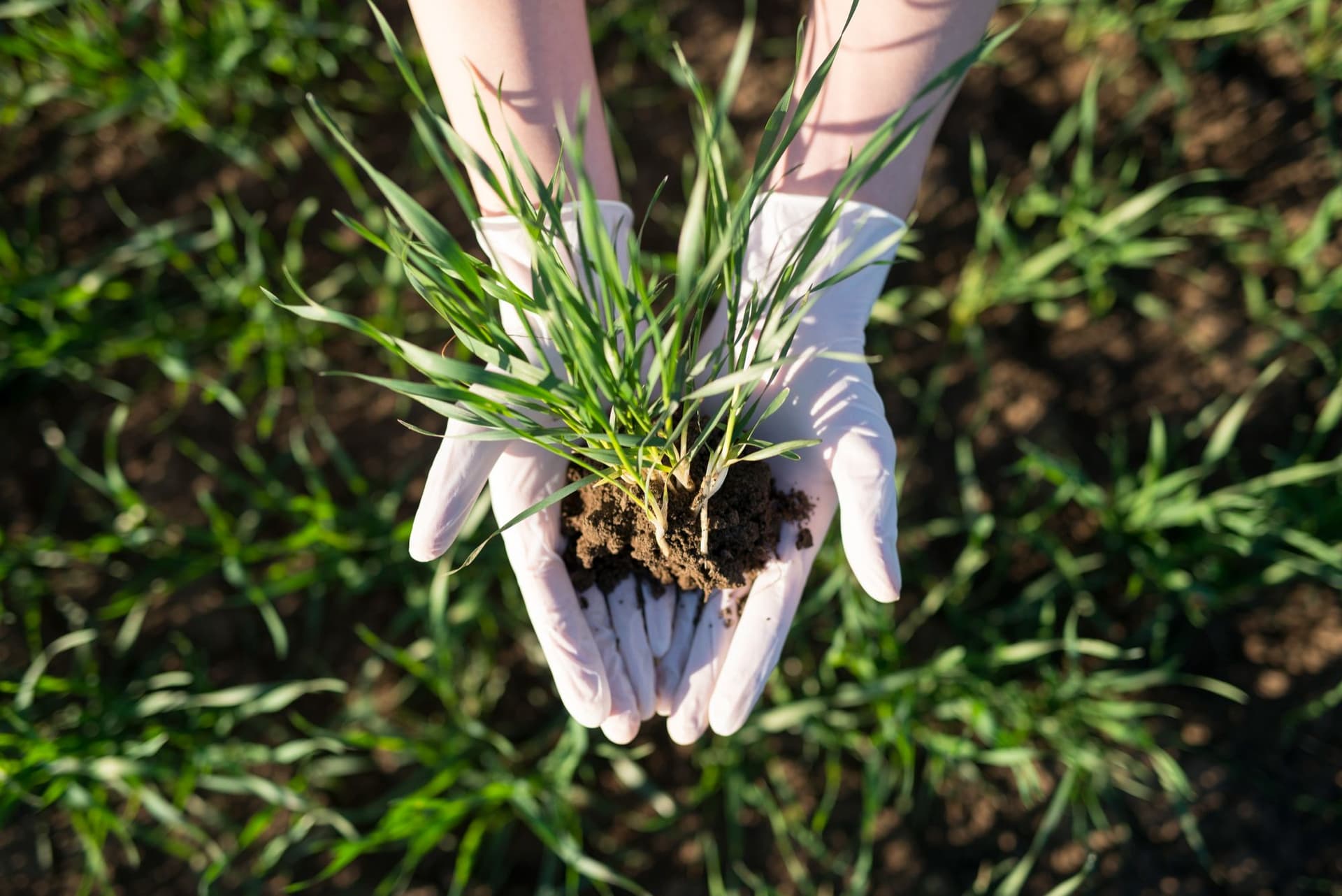
Planting Grass Seed in Summer – What Works and What Fails
Summer seeding succeeds when the grass type suits the season, and the soil stays moist. Find out how to prepare the seedbed and choose a safe window for planting.

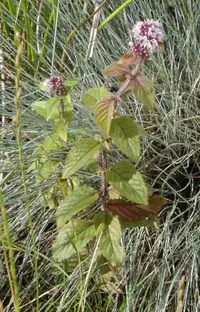
Recognize water mint by its opposite, oval to rounded leaves on square stems and its dense, rounded flower heads carried at the stem tips. Plants also often show smaller flower clusters in upper leaf axils.
This mint typically forms low, spreading clumps rather than a single upright stem.

Take or upload a photo to confirm your plant ID with Botan.
Clear images work best. Avoid photos taken too close or too far away
Check these visible traits of Mentha aquatica.
The rounded flower heads and opposite, broad mint leaves are especially useful field marks.
Mentha aquatica shows clear visual shifts from low leafy shoots to clustered flowering stems.
In spring, Mentha aquatica sends up fresh green shoots and soft new leaves from creeping stems, quickly forming leafy clumps along wet ground. From mid to late summer, dense rounded flower heads become obvious at the stem tips, often pinkish to lilac. After flowering, the plant may die back in cold weather, leaving little or no leafy growth visible in winter.
Several mints can be mistaken for water mint.
spearmint(Mentha spicata)
Both have opposite leaves and mauve flower spikes. Mentha aquatica usually has rounded, often headlike flower clusters; spearmint has longer, narrow terminal spikes and less rounded leaves.
peppermint(Mentha × piperita)
This hybrid also grows in damp places and has purplish stems. Peppermint usually bears elongated spikes in the upper leaf axils and at stem tips, not dense rounded heads; its leaves are often longer and more pointed.
wild mint(Mentha arvensis)
Both are aromatic with lilac flowers. Wild mint usually flowers in separated whorls at the leaf nodes, while water mint more often forms a dense terminal head.
Mentha aquatica is native to much of Europe, North Africa, and western Asia. In the wild it is most often found along pond edges, slow streams, marshes, ditches, and other shallow wetlands. That habitat is a useful clue. A mint growing with its roots in wet ground or very shallow water is more consistent with Mentha aquatica than with many other common mints.
Use Botan to identify or confirm a plant from a photo so you can compare likely matches with more confidence.
This species is typical of wet ground: pond and stream margins, marshes, ditches, wet meadows, and shallow water. In water mint identification, a consistently damp or saturated site is a strong supporting clue.
Identify a plant from a photo, then get species-specific care information, safety notes, and common problems.


7 min read · 6 Aug 2026
Summer seeding succeeds when the grass type suits the season, and the soil stays moist. Find out how to prepare the seedbed and choose a safe window for planting.

13 min read · 28 Jul 2026
Learn which of the 15 fastest-growing trees will suit your area. We’ll share detailed information on each: growth rate, mature spread, key tree demands, and main vulnerabilities. Read on and make the best choice possible.

8 min read · 17 Sept 2026
Some plants thrive in dim rooms, shaded corners, and places with indirect light. In this guide, you’ll explore the top 15 species best suited to low-light conditions and how to care for them.