



5 min read · 11 Sept 2026
Top 5 Best Indoor Plants for Air Quality
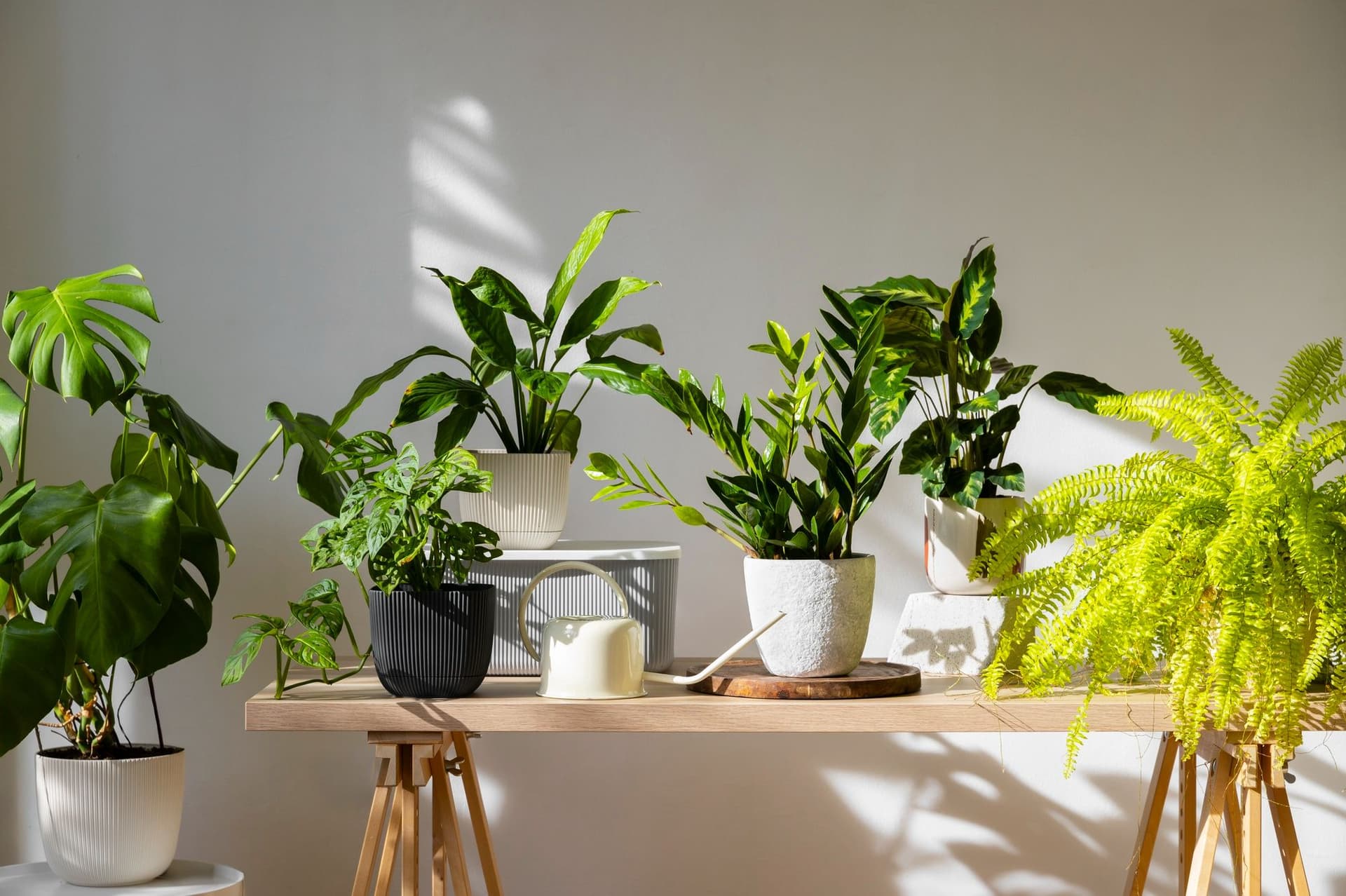
Indoor plants can make a room feel fresher thanks to their air-purifying qualities. Here are 5 of the most suitable choices for your routine and living space.
Plant Recommendations


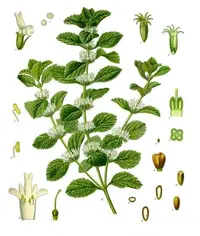
Recognize dog's mercury by its upright, unbranched stems topped with opposite pairs of oval to lance-shaped leaves, each leaf sharply toothed and set on a distinct stalk.
It usually forms low clumps about 8 to 16 inches (20 to 40 cm) tall, with small green flowers held in short spikes from the leaf axils.
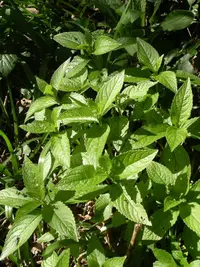
Upload a clear image to check whether your plant ID is correct.
Clear images work best. Avoid photos taken too close or too far away
Check the plant’s low, leafy stems and paired leaves first.
The male and female flower positions are a useful final check.
Mercurialis perennis shows several visible stage changes that can help confirm identification.
In spring, dog's mercury forms fresh patches of soft green, oval to lance-shaped leaves on upright stems. Flowering is most noticeable in spring, when small green flower clusters become visible at the leaf axils. By summer, female plants may show small three-lobed seed capsules. The plant then dies back, so patches can thin out or disappear above ground later in the year.
A few common woodland herbs can be mistaken for dog's mercury at a glance.
Wood spurge(Euphorbia amygdaloides)
Both make low green clumps in shade with oval leaves. Wood spurge usually has leaves crowded toward stem tips and shows yellow-green bracts around the flowers; Mercurialis perennis has clearer opposite leaf pairs along the stem and no showy bracts.
Stinking hellebore(Helleborus foetidus)
Young shoots can suggest a similar evergreen woodland plant. Stinking hellebore quickly shows divided leaves with many narrow leaflets, not single broad leaves, and carries nodding green bell-like flowers rather than small inconspicuous flower clusters.
Mercurialis perennis is native to much of Europe, including the British Isles, and extends into western Asia. Its range matters for identification because plants matching it outside temperate Europe are more likely to be garden escapes or a different species. It is most typical of shaded deciduous woodland, especially ancient woodland, and also occurs in hedgebanks and scrub on lime-rich soils. Finding dense patches in spring under beech or other broadleaf trees is a useful field clue.

Confirm Your Plant Species
Use Botan to double-check your plant ID
Use Botan to compare a photo and help verify the plant, which can save time before you label, move, or remove it.
Yes. Female plants form small, paired capsules in the leaf axils, while male plants do not fruit. That contrast is useful in dog's mercury identification, especially after flowering when capsules are easier to spot.
Identify a plant from a photo with Botan, then get species-specific care information, safety notes, and common problems.

5 min read · 11 Sept 2026
Indoor plants can make a room feel fresher thanks to their air-purifying qualities. Here are 5 of the most suitable choices for your routine and living space.
7 min read · 13 Aug 2026
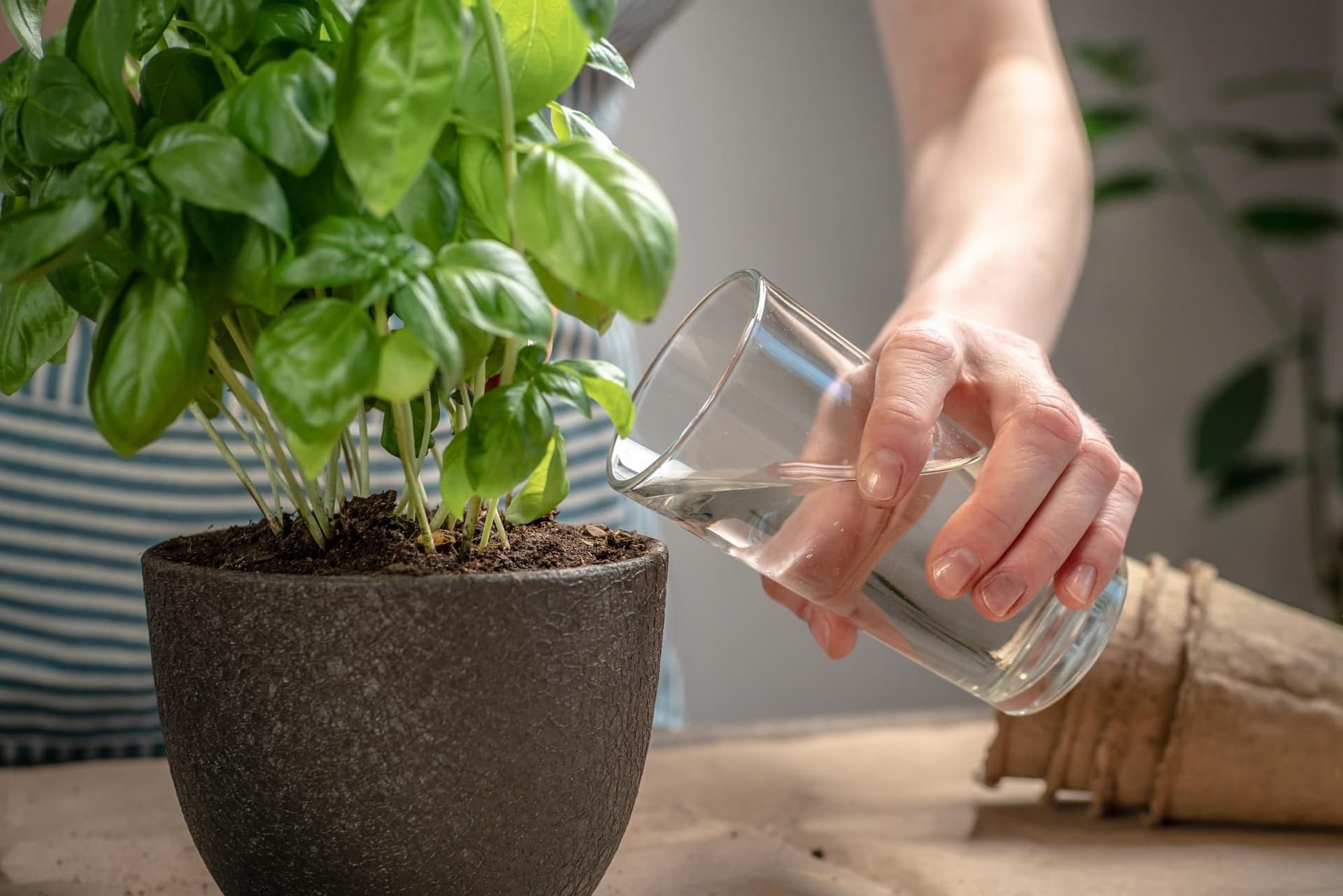
Rainwater, filtered, distilled, and tap water affect plants differently. Learn which types support healthy growth and which cause slow damage. Match each to your plants and discover how to easily improve tap water quality.
7 min read · 28 May 2026
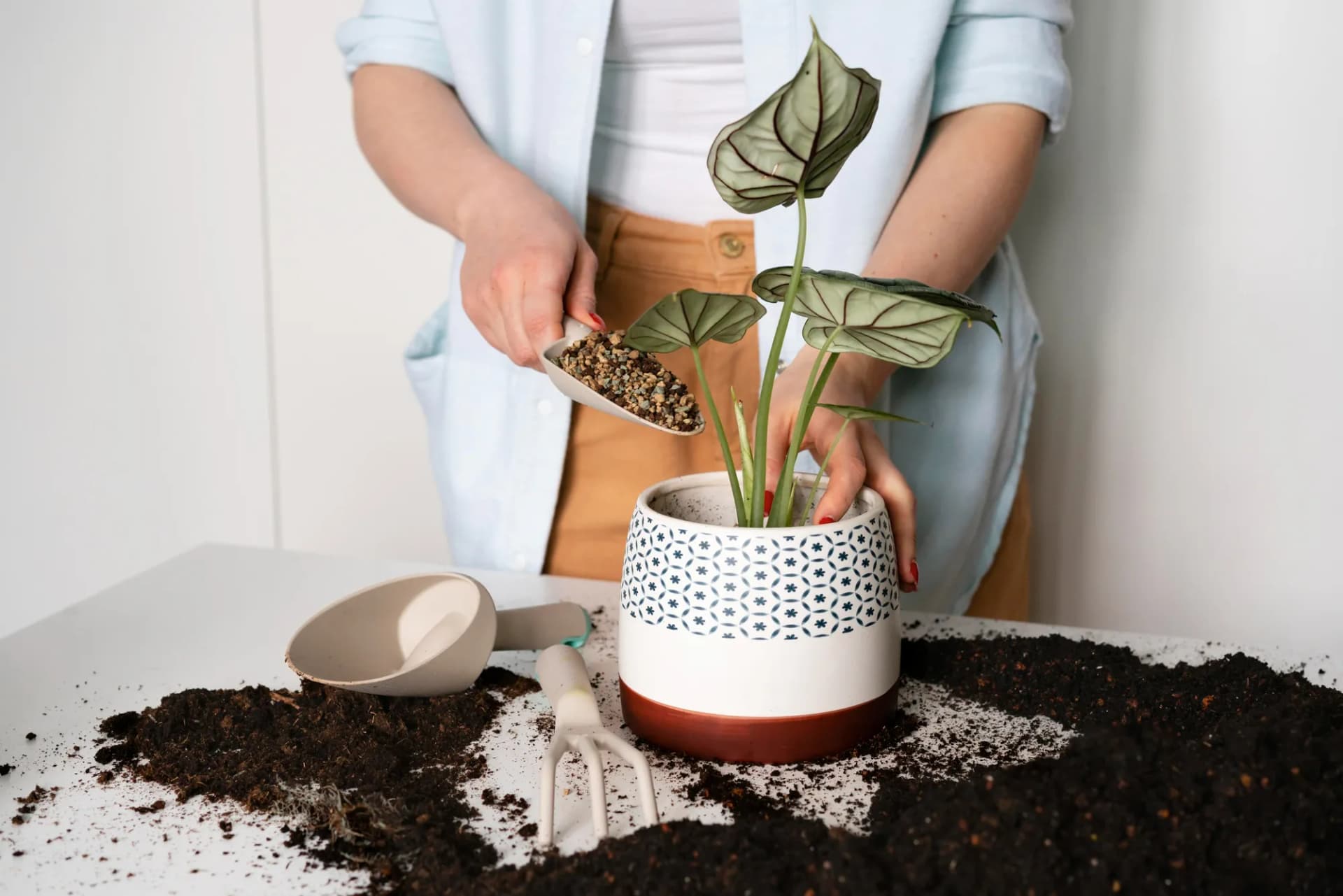
In spring, many plants need repotting—an essential part of care. To avoid stress, consider the plant’s type and size. This article offers a step-by-step guide for repotting indoors or outdoors and shows how to check plant health and get care tips using the Botan App.