dog's mercury Care (Mercurialis perennis)

dog's mercury

About dog's mercury

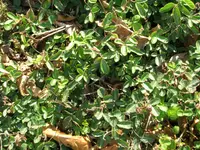
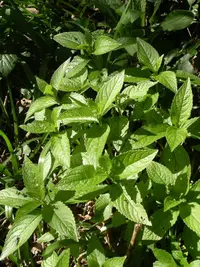
Dog's mercury, Mercurialis perennis, is a low, rhizomatous woodland perennial often forming dense colonies in shaded areas. It has upright, leafy stems with small, inconspicuous green flowers.

This species is native to woodlands and hedgerows across much of Europe and favors cool, humus-rich, undisturbed soils. It spreads steadily by underground stems, so it can naturalize and dominate a planting area over time.

In gardens, it suits shaded, moisture-retentive sites and is usually low-maintenance once established. Anyone planning to care for dog's mercury should consider its strong spreading habit and choose a site where that is acceptable.

Main Plant Requirements

Care Difficulty

Easy Care

Light Preference

Partial Shade

Water Requirements

Regular Water

Temperature Preference

Cold Hardy

Hardiness Zone

5–8

Soil Texture

Loamy, Silty, Organic-rich

Soil pH

Acidic (5.5–6.5), Slightly acidic (6.5–7.0)

Soil Drainage

Moist but well-drained

Fertilization

Minimal (feed rarely)

Get Personalized Care Plan

Scan your plant to receive care tips personalized for your specific plant

Available on iOS and Android

How to Care for the dog's mercury

This woodland perennial thrives in low to moderate light that mimics a shaded forest floor.

  • Provide dappled or full shade with 1–3 hours of gentle morning sun, avoiding harsh midday and afternoon exposure.
  • Site dog's mercury under trees, shrubs, or on the north or east side of buildings where light is filtered through foliage or structures.
  • Watch foliage color and density: pale, scorched, or crispy leaves suggest too much sun, while sparse, leggy growth indicates insufficient light.

This species prefers consistently moist, cool soil but does not tolerate waterlogged conditions.

  • Aim for soil that stays lightly moist to 5–8 cm depth; allow only the top 1–2 cm to dry slightly between natural rains or irrigations.
  • Increase watering during warm, dry spells so Mercurialis perennis does not wilt or show drooping, dull leaves, especially in lighter soils.
  • Improve drainage with organic matter where water pools, and watch for yellowing, mushy stems as a sign of overwatering versus crisp, curling leaves for underwatering.

This hardy woodland plant tolerates a wide temperature range typical of temperate outdoor climates.

  • Optimal growth occurs around 50–70°F (10–21°C), with cool spring and fall conditions supporting dense foliage.
  • Established plants usually withstand winter lows down to about 0°F (−18°C) when grown in the ground with natural leaf litter or mulch.
  • Heat above 80°F (27°C), especially with full sun and dry soil, can cause stress, so provide shade and extra moisture during hot, dry periods.

This woodland perennial grows best in moderately moist air but does not have strict humidity demands.

  • Aim for 40–60% humidity, similar to most temperate homes, to support steady leaf growth in dog's mercury.
  • Tolerates brief drier air if soil moisture is stable, but prolonged heated, very dry rooms can slow growth and cause leaf edge browning.
  • If air is very dry, group pots together on a pebble tray with water below the pot base to slightly raise local humidity.

This species prefers consistently moist, humus-rich soil that mimics a shady woodland floor.

  • Use a loose loamy mix with 40–50% garden soil, 30–40% compost, and 10–20% leaf mold or fine bark for organic matter and structure.
  • Provide moist but not waterlogged conditions; mix in coarse sand or fine grit if water sits on the surface or the pot drains slowly.
  • Keep pH slightly acidic to neutral, around 6.0–7.0, which suits typical woodland Mercurialis perennis care in temperate gardens.
  • Avoid heavy, compacted clay and any mix that dries rock-hard, since poor aeration leads to root decline and weaker spreading growth.

This species can grow in containers, though it performs most naturally in the ground.

  • Choose a wide, shallow pot to allow its rhizomes to spread horizontally rather than forcing them into deep, compact layers.
  • Use a heavier ceramic or clay container outdoors so the spreading foliage does not tip the pot in wind or rain.
  • Raise the container slightly on pot feet or bricks to keep drainage holes clear and prevent stagnant water under the base.

This woodland perennial is adapted to low-nutrient soils, so dog's mercury needs only minimal feeding in garden settings.

  • Use a light top-dressing of garden compost or leaf mold in early spring to mimic forest litter.
  • If growth appears weak, apply a balanced slow-release fertilizer (around 10-10-10) at low dose once in spring.
  • Avoid liquid feeds stronger than 1/2 dilution, as excess nutrients encourage soft, weak growth.
  • Do not feed during winter dormancy; stop fertilization by late summer.

Pruning Mercurialis perennis is mainly cosmetic and helps keep groundcover patches dense and tidy.

  • Best time is late winter to early spring, before strong new growth starts.
  • Shear or snip back old, winter-damaged stems with clean hand shears at ground level.
  • Remove dead, yellowing, or sparse patches to encourage fresh shoots and a more even carpet.
  • Light thinning of crowded areas can improve airflow and reduce fungal problems in damp shade.

This species is usually grown as an outdoor groundcover, so care focuses on transplanting clumps rather than container repotting.

  • Transplant in early spring or early fall when weather is cool and soil moist.
  • Lift and divide crowded patches every 3–5 years, or when growth thins and bare gaps appear.
  • Move pieces with generous root and attached soil to reduce shock, replanting at the same depth.
  • Water thoroughly after transplanting and keep evenly moist for several weeks until re-established.

Propagation of this shade-loving perennial is straightforward and most often done by division of established clumps.

  • Divide rooted clumps in early spring or early fall, when temperatures are mild.
  • Lift a section, then tease or cut it into smaller pieces, each with several shoots and roots.
  • Replant divisions into humus-rich, moist soil, firm gently, and water well.
  • Seed propagation is possible but slow; sow fresh seed outdoors in fall for natural cold stratification.

This hardy woodland plant tolerates normal winter conditions in most temperate gardens and usually needs no special care.

  • Plants are generally hardy to at least 0°F when grown in the ground with good drainage.
  • In colder regions, a 2–5 cm mulch of leaf mold or compost helps buffer freeze–thaw cycles.
  • Container-grown plants benefit from being sunk into the ground or moved to a sheltered, unheated area.

Care Tips

Control Colonizing Spread

Lift and remove unwanted rhizomes each spring at the edges of the patch to prevent dog’s mercury from overrunning nearby weaker perennials and groundcovers.

Use Leaf Mulch Cover

Apply a light layer of chopped deciduous leaf mulch around plants in autumn to mimic woodland litter, protect shallow roots, and support soil life without smothering new shoots.

Staggered Division Timing

Divide large clumps early in spring just as new shoots appear, then water in well and shade new divisions for 7–10 days to reduce transplant shock and reestablish a dense carpet quickly.

Monitor For Browsing

Even though the plant is toxic, check regularly for signs of wildlife or pet disturbance and consider low fencing or temporary netting in areas where animals might dig or trample the colony.

Understory Companion Planning

Combine it with sturdy, taller woodland perennials that emerge later in spring so the early foliage of dog’s mercury shades the soil first, then naturally recedes visually as companions fill in, which simplifies caring for dog's mercury in mixed shade borders.

Everything About dog's mercury

Common Pests and Diseases

Leaf spot fungi

This disease causes small, irregular brown to black lesions on older leaves, sometimes with pale or yellow halos. Symptoms include gradual thinning of the patch as damaged foliage dies back earlier than healthy plants.

Solution

Remove and dispose of heavily spotted leaves to reduce spore spread, and avoid overhead watering so foliage dries quickly. Improve air movement through the patch, keep fallen litter cleared, and if the problem recurs severely, apply a broad-spectrum garden fungicide labeled for ornamental groundcovers in early spring as new growth emerges.

Powdery mildew

This disease produces a white, powdery coating on the upper leaf surface, making foliage look dull and greyed. Symptoms include distorted new leaves and a general loss of vigor in dense, shaded clumps.

Solution

Thin overcrowded patches to increase light and airflow, and clear surrounding weeds that hold humid air. Remove and discard the worst-affected shoots, then monitor; in persistent cases, treat early outbreaks with a sulfur or potassium bicarbonate product labeled for ornamental plants, applied according to label timing and coverage directions.

Aphids

These insects form small clusters on young stems and undersides of leaves, sucking sap and causing curling or slight distortion. This pest also leaves sticky honeydew that can lead to sooty mold growth on surrounding foliage or groundcover plants.

Solution

Pinch off or hose down infested shoots with a strong stream of water, repeating every few days until numbers drop. In larger colonies, use insecticidal soap or a light horticultural oil, making sure to coat the undersides of leaves and tender tips while avoiding applications in hot direct sun.

Slugs and snails

This pest feeds on tender leaves, leaving irregular holes and ragged edges, especially in damp, shaded patches. Symptoms include slime trails on soil or stones around the colony.

Solution

Hand-pick slugs and snails in the evening or early morning and reduce hiding spots such as dense debris, boards, or stacked stones near the planting. Use iron phosphate slug baits around, not on, the clump following label directions, and keep mulch layers thin so the soil surface dries more between rains.

Rust

This disease appears as small orange to brown pustules on the undersides of leaves, sometimes with pale spots visible above. Symptoms include premature yellowing and drop of affected leaves, which can thin out groundcover patches over time.

Solution

Remove and destroy infected leaves as soon as symptoms appear and keep the planting area free of fallen debris that can harbor spores. Increase spacing or lightly thin the stand to improve airflow, avoid wetting foliage, and in repeated outbreaks consider a rust-effective fungicide applied preventively in spring as part of broader Mercurialis perennis care.

Interesting Facts

European woodland specialist

This species is native to shaded, nutrient-rich deciduous forests across much of Europe and often forms extensive groundcover carpets on calcareous, or lime-rich, soils.

Strong shade tolerance

The plant performs best under deep to partial shade and is adapted to the low light levels of forest understories, where its early spring growth allows it to exploit light before tree canopies fully leaf out.

Dioecious and wind-pollinated

Male and female flowers grow on separate plants and are small and green, relying on wind rather than insects to transfer pollen, which is relatively uncommon among woodland herbs.

Botan icon

Did you know?

Dog's mercury is highly poisonous to humans and livestock, and its similarity in growth form to some edible woodland herbs has historically led to accidental ingestion and documented poisoning cases in Europe.

FAQs about dog's mercury

All parts of this species are toxic if eaten, especially the fresh leaves and shoots. Symptoms may include vomiting, diarrhea, abdominal pain, and weakness. Children, pets, and livestock should be kept from grazing or playing among dense patches.

Grow Healthy Plants with Botan Care

Keep your plants happy and healthy with plant identification, disease detection, and easy care guidance.

Botan plant care app — identify plants on mobile

Explore More Plants