Root containment strategy
In open ground, install a 30–40 cm deep root barrier or use large containers to prevent this shrub from spreading aggressively into surrounding areas when growing Common Gorse.

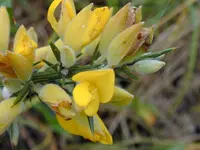
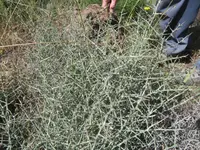
Common gorse, Ulex europaeus, is a dense, evergreen shrub known for its rigid spines and bright yellow, pea-like flowers. It often forms tough, impenetrable thickets. Native to western Europe, it has naturalized in many temperate coastal and inland regions, including parts of North America, where it can behave aggressively in open, sunny sites. The plant is drought tolerant and thrives in poor, sandy or rocky soils, which makes it resilient but also hard to control once established. It suits low-maintenance, full-sun landscapes where its size and spines are acceptable, and understanding how to care for Common Gorse helps prevent it from becoming invasive.

Care Difficulty
Easy Care

Light Preference
Full Sun

Water Requirements
Low Water

Temperature Preference
Cold Hardy

Hardiness Zone
5–9

Soil Texture
Sandy, Loamy, Rocky

Soil pH
Acidic (5.5–6.5), Slightly acidic (6.5–7.0)

Soil Drainage
Well-drained

Fertilization
Minimal (feed rarely)
Scan your plant to receive care tips personalized for your specific plant
Available on iOS and Android
This shrub thrives in open, bright sites with long daily sun exposure.
This drought-tolerant shrub prefers infrequent, deep watering once established.
This hardy shrub tolerates a wide temperature range but grows best in mild, coastal-type climates.
Humidity is rarely a concern for Ulex europaeus, which thrives in dry, exposed conditions.
Ulex europaeus prefers very free-draining, lean soils that prevent waterlogging and root rot.
This species can be grown in containers, but long-term culture is challenging due to its size and spiny, woody growth.
Ulex europaeus generally thrives in poor soils and needs minimal supplemental feeding.
Pruning helps keep Ulex europaeus dense, flowering well, and within bounds.
Transplanting is more relevant than repotting, as this shrub is usually grown in the ground rather than containers.
Ulex europaeus is commonly propagated by seed and semi-ripe cuttings.
This shrub is quite cold hardy and usually needs little winter care in temperate climates.

Plant Health Check
Not sure what's wrong with your plant? Check your plant's health inside the app.
This species hosts Rhizobium bacteria in root nodules that convert atmospheric nitrogen into forms the plant can use, allowing it to thrive on very poor, sandy, or rocky soils. Its dense, photosynthetic spines are modified leaves that reduce water loss while still supporting growth in nutrient-poor habitats.
The shrub is highly flammable, but its seeds are adapted to survive and even benefit from fire, which can break physical dormancy in the hard seed coat. After a burn, large seed banks in the soil allow dense regeneration that quickly reoccupies the site.
As the woody seed pods dry in warm weather, they twist and split suddenly, flinging seeds several meters away from the parent plant. This ballistic dispersal, combined with a long-lived soil seed bank, helps explain why growing Common Gorse outside its native range often leads to invasive behavior.

In parts of northwestern Europe before modern heating and detergents, this species was widely harvested not only as a fuel but also as a traditional source of potash-rich ash used in early soap-making, and as a fodder crop that was mechanically bruised to make its spiny shoots safe enough for livestock to eat.
This shrub spreads strongly through abundant seed production and can quickly dominate open, sunny sites. In suitable climates it is often considered invasive and may require regular cutting, grazing, or removal of seedlings to keep it contained.
Keep your plants happy and healthy with plant identification, disease detection, and easy care guidance.