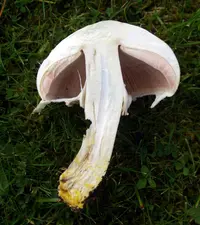
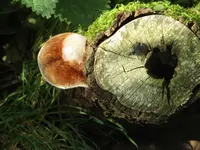
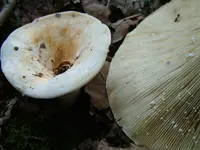
Coldfoot bonnet Care (Mycena amicta)

Coldfoot bonnet

About Coldfoot bonnet

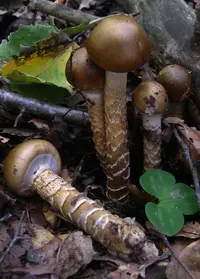
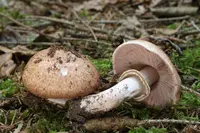
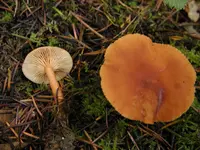
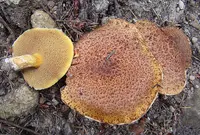
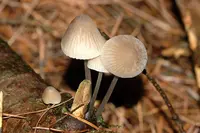
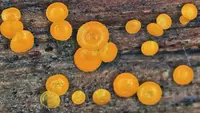
Coldfot bonnet, Mycena amicta, is a small woodland mushroom rather than a typical houseplant. It produces delicate, bell-shaped caps with pale, often bluish or greenish tones and slender stems. Fruiting bodies usually appear on decaying wood, leaf litter, or moss in cool, damp forests across parts of Europe and North America.

This species relies on consistently moist, shaded environments and rich, organic debris, which makes it difficult to maintain in ordinary garden or indoor settings. Anyone trying to care for Coldfoot bonnet should focus on recreating cool, humid forest-floor conditions as closely as possible.

Main Plant Requirements

Care Difficulty

Hard Care

Light Preference

Shade

Water Requirements

Keep Soil Moist

Temperature Preference

Cool Climate

Hardiness Zone

Unknown

Soil Texture

Organic-rich, Peaty, Loamy

Soil pH

Strongly acidic (4.5–5.5)

Soil Drainage

Moist but well-drained

Fertilization

Minimal (feed rarely)

Get Personalized Care Plan

Scan your plant to receive care tips personalized for your specific plant

Available on iOS and Android

How to Care for the Coldfoot bonnet

Mycena amicta prefers dim woodland-style light rather than direct sun exposure.

  • Provide full to deep shade with dappled or filtered light, similar to a forest floor under trees.
  • Allow brief weak morning sun only; avoid direct midday or afternoon sun, which can dry the substrate and scorch delicate Coldfoot bonnet caps.
  • Site logs, leaf litter, or decaying wood where they receive 0–2 hours of low-angle light and long periods of shade, especially in summer.

This fungus needs consistently moist, not waterlogged, conditions around its substrate.

  • Keep leaf litter, moss, or decaying wood evenly moist; surface should feel damp but not soggy when pressed lightly.
  • Increase watering or misting frequency during warm, drying weather, and reduce slightly in cool, wet seasons to prevent standing water and mold growth.
  • Signs of excess water include foul smell, slimy substrate, or algae; signs of too little moisture include crisp leaves, shrinking caps, and pale, brittle Mycena amicta fruiting bodies.

This species prefers cool, moist conditions typical of temperate forests.

  • Aim for 45–65°F (7–18°C) during active growth, which usually coincides with cool, damp seasons.
  • It tolerates brief drops near 32°F (0°C) but hard freezes below 28°F (-2°C) or repeated freeze–thaw cycles can damage developing fruiting bodies.
  • Sustained heat above 77°F (25°C), especially if dry, shortens lifespan and may halt fruiting, so provide shade and extra moisture in hot spells.

This fungus needs consistently high moisture and thrives in very humid air.

  • Aim for 70–90% humidity to mimic the constantly damp woodland air where Coldfoot bonnet naturally fruits.
  • Dry indoor air causes caps to shrivel, edges to crack, and fruiting bodies to abort before full expansion.
  • Increase humidity by using a closed, ventilated terrarium-style chamber with moist (not waterlogged) substrate and regular fine misting.

Mycena amicta is a saprobic fungus that fruits on decaying wood and litter, not true garden soil.

  • Use a loose, organic-rich substrate such as well-rotted hardwood chips mixed with leaf litter and a small amount of peat or coco coir.
  • Ensure very free drainage so water runs through rapidly while the substrate stays evenly moist, never waterlogged or compacted.
  • Keep pH mildly acidic to neutral (about 5.5–7.0), avoiding strongly alkaline materials like lime or concrete rubble.
  • Improve aeration by using chunky wood pieces and avoiding fine, dense composts that collapse and exclude air around the mycelium.

This species can be grown in shallow containers that replicate a damp forest floor rather than standard plant pots.

  • Use a wide, shallow tub so the substrate layer is thin, which prevents anaerobic pockets and encourages even colonization.
  • Drill side ventilation holes just above the substrate level to balance fresh air with moisture retention in the container.
  • Choose opaque or dark containers to reduce light penetration and surface heating that can dry the fruiting layer too quickly.

Mycena amicta, known as Coldfoot bonnet, is a wild woodland fungus that does not need routine fertilization in natural or garden settings.

Pruning Mycena amicta is not part of normal care, since fruiting bodies are short-lived and naturally replaced by new mushrooms.

Transplanting Mycena amicta focuses on moving its decaying wood or leaf-litter habitat rather than handling individual mushrooms.

  • Transplant only during cool, moist weather to limit stress on the fungal mycelium in the substrate.
  • Move pieces of colonized wood or litter intact, keeping them shaded and evenly moist.
  • Avoid disturbing or tearing the white mycelial threads, which are the living body of the fungus.
  • After moving, water gently and maintain high humidity so the substrate does not dry out.

Propagation of Mycena amicta is challenging for beginners and is rarely attempted outside specialist fungal cultivation.

Mycena amicta is naturally cold hardy in temperate forests and needs no special winter care in outdoor conditions.

Care Tips

Substrate wood choice

Use well-decayed hardwood sticks or chips from oak, beech, or similar species rather than fresh wood, as older material mimics the natural habitat and supports more reliable fruiting.

Thin litter layer

Maintain only a thin layer of leaf litter, about 1–2 cm, over the inoculated wood so caps can easily emerge while the mycelium stays protected from drying and light exposure.

Moisture shielding

Create a low wind barrier with stones, bark pieces, or a small log edge around the patch to reduce evaporation and keep surface moisture stable without overwatering.

Gentle harvest technique

When collecting fruiting bodies, pinch at the base and lift gently instead of twisting or pulling up clumps of substrate, which helps preserve the fine mycelial network for repeat flushes.

Seasonal observation notes

Record fruiting time, weather conditions, and substrate moisture each season in a simple logbook to refine how to take care of Coldfoot bonnet under your specific local conditions.

Common Pests and Diseases

Fungus gnats

These insects are attracted to consistently damp, organic-rich substrates used for cultivating this fungus and their larvae feed within the growing medium. Symptoms include tiny black flies around trays or jars and fine tunneling or damage in the substrate surface.

Solution

Allow the substrate surface to dry slightly between misting, remove excess decaying organic debris from around culture containers, and use fine mesh covers on vents or openings. Yellow sticky traps capture adults, and a biological control such as Bacillus thuringiensis israelensis (Bti) applied to the moist medium helps reduce larvae without harming the Mycena amicta culture.

Mite infestation

This pest includes various micro-mites that feed on fungal mycelium and fruiting bodies, leading to pitted caps, distorted growth, and reduced vigor. Symptoms include pale patches or roughened areas on caps and visible tiny moving dots under magnification on trays or culture blocks.

Solution

Quarantine affected cultures, discard heavily infested substrates, and improve hygiene by cleaning benches, tools, and shelves to remove dust and spore residues that harbor mites. For remaining cultures, lower relative humidity slightly while maintaining hydration of the substrate, increase airflow, and use sticky barriers on bench legs or container rims to limit mite movement.

Competing mold contamination

This disease is caused by fast-growing molds such as Trichoderma and Penicillium that overrun Mycena mycelium, forming green, blue, or gray patches on the substrate surface. Symptoms include stalled or patchy mushroom growth, off-odors, and visibly different, often fuzzy or colored colonies crowding out the fine white mycelium.

Solution

Remove and discard contaminated substrates completely, then review sterilization or pasteurization steps, tool sanitation, and air filtration used during inoculation. For future cultures, work with thoroughly cleaned containers, flame-sterilized tools where appropriate, and maintain lower airborne dust by wiping nearby surfaces and using lids or breathable filters to protect cultures.

Bacterial blotch

This disease develops where standing moisture remains on caps or substrate surfaces, leading to slimy, discolored spots and soft, water-soaked tissue. Symptoms include yellowish to brown patches on caps or stipes and a sour or unpleasant odor around affected fruiting bodies.

Solution

Increase air circulation in the fruiting area, avoid misting directly onto caps, and focus on raising humidity through ambient moisture rather than heavy spraying. Remove and discard blotched mushrooms promptly, clean the fruiting chamber with a mild disinfectant, and allow surfaces to dry between flushes while keeping the substrate evenly but not excessively moist.

Interesting Facts

Variable cap coloration

The cap of this small bonnet fungus can display muted blue‑green, gray, or brownish tones with a paler or whitish margin, and may show slight translucency when moist due to its thin flesh.

Slime-coated stem apex

The upper part of the stem often carries a noticeable, somewhat sticky or slimy coating, a feature mycologists use to help separate this species from other similar Mycena in mixed woodland leaf litter.

Conifer litter specialist

This saprotrophic species typically fruits on needle litter and small woody debris under conifers, especially spruce and fir, playing a role in breaking down tough forest floor material in cool, moist habitats.

FAQs about Coldfoot bonnet

This small mushroom is not recommended for eating. It is considered inedible due to its tiny size, insubstantial flesh, and uncertain safety. Foragers should avoid consumption and focus on easier-to-identify, well-documented edible species instead.

Grow Healthy Plants with Botan Care

Keep your plants happy and healthy with plant identification, disease detection, and easy care guidance.

Botan plant care app — identify plants on mobile

Explore More Plants