


Tank water management
Keep the central cup filled with low-mineral, room-temperature water, then flush it completely under a gentle tap every 2–4 weeks to prevent salt buildup, algae, and mosquito larvae.

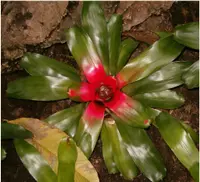
Blushing bromeliad (Neoregelia carolinae) is a compact, rosette-forming tropical plant grown mainly for its colorful foliage rather than its flowers. The leaves form a shallow cup that can blush red or pink in the center when the plant is mature and well lit.
This species comes from the rainforests of Brazil, where it often grows as an epiphyte on trees, taking moisture and nutrients from rain and debris. It is considered relatively easy indoors because it tolerates typical home humidity and does not need constant repotting.
Bright, indirect light, moderate room temperatures, and a fast-draining mix suited to bromeliads support healthy growth and make it straightforward to care for blushing bromeliad.

Care Difficulty
Moderate Care

Light Preference
Bright Indirect Light

Water Requirements
Moderate Water

Temperature Preference
Tropical / Frost Sensitive

Hardiness Zone
10–12

Soil Texture
Sandy, Loamy, Organic-rich

Soil pH
Acidic (5.5–6.5)

Soil Drainage
Well-drained

Fertilization
Light (every 4–6 weeks)
Scan your plant to receive care tips personalized for your specific plant
Available on iOS and Android
Neoregelia carolinae prefers bright, indirect light to maintain strong color and compact growth.
Watering for this bromeliad focuses on both the central cup and the surrounding root zone.
Stable, warm conditions help this bromeliad maintain color and produce offsets reliably.
This species prefers moderately humid air but tolerates typical indoor levels if not too dry.
This bromeliad prefers a loose, airy, fast-draining medium rather than dense potting soil.
This species is well suited to container growing both indoors and outdoors in mild climates.
Neoregelia carolinae benefits from light, careful feeding rather than heavy fertilization.
Neoregelia carolinae needs minimal pruning, mainly to keep the rosette tidy and healthy.
This bromeliad prefers snug pots and infrequent repotting, focusing more on managing pups than upsizing containers.
This species is most commonly propagated by removing and rooting offsets, or pups, from the mother plant.
This bromeliad is frost-sensitive and needs protection in regions with cold winters.

Plant Health Check
Not sure what's wrong with your plant? Check your plant's health inside the app.
The central rosette turns bright red only when the plant receives strong, indirect light, a response linked to increased production of protective pigments called anthocyanins that shield leaf tissues from excess radiation.
Its tightly overlapping leaves form a water-holding tank in the rosette that can collect rain and leaf litter in nature, providing a small habitat for microorganisms and tiny invertebrates in Atlantic Forest ecosystems.
In the wild it often grows as an epiphyte on tree branches, using specialized roots mainly for anchoring rather than for heavy water uptake, while the leaf tank and leaf surfaces handle most moisture absorption.

Neoregelia carolinae has been a key parent in breeding many ornamental bromeliad cultivars, with its stable red center and compact rosette shape widely used to develop modern hybrids for indoor and greenhouse displays.
This species usually blooms once when mature, then the central rosette slowly declines while offsets develop. Lack of bloom is often due to immaturity, recent repotting, or stress; patience and stable conditions are more effective than quick fixes.
Keep your plants happy and healthy with plant identification, disease detection, and easy care guidance.

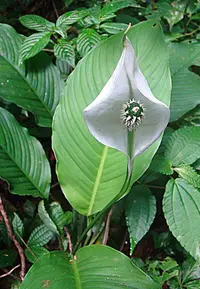
Spathiphyllum wendlandii
Spathiphyllum wendlandii
Echeveria affinis
Echeveria affinis
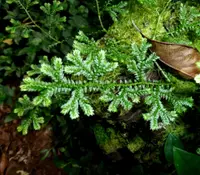
Krauss's Clubmoss
Selaginella kraussiana
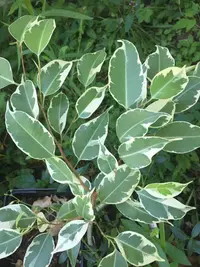
Weeping Fig
Ficus benjamina 'Starlight'

Elephant Ear
Colocasia esculenta 'Pink China'
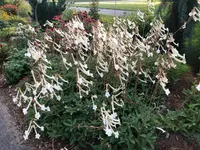
trumpet-flowered sinningia
Sinningia tubiflora
olosapo
Couepia polyandra
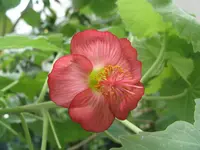
ko'oloa 'ula
Abutilon menziesii