Rhizome Placement
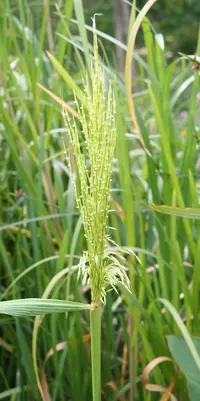
Set the rhizome at a 30–45° angle with the growing tip just above the substrate surface, leaving at least 2–3 cm of rhizome exposed to reduce rot risk and encourage strong new leaf growth.

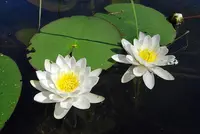
Nymphaea candida, often called the white water lily, is an aquatic perennial that grows rooted in still or slow-moving freshwater. Its round floating leaves and star-like white flowers form a calm surface canopy on ponds and lakes.
This species is native to parts of Europe and western Asia, thriving in cool to mild climates with clean, relatively shallow water. It is moderately easy to grow if it receives stable water levels, full sun, and a nutrient-rich, clay-heavy substrate.
Understanding how to care for Nymphaea candida mainly involves providing the right water depth, good light, and low water movement rather than traditional soil or pot care.

Care Difficulty
Moderate Care

Light Preference
Full Sun

Water Requirements
Aquatic

Temperature Preference
Cold Hardy

Hardiness Zone
4–8

Soil Texture
Loamy, Silty, Organic-rich

Soil pH
Slightly acidic (6.5–7.0), Neutral (7.0)

Soil Drainage
Waterlogged tolerant

Fertilization
Light (every 4–6 weeks)
Scan your plant to receive care tips personalized for your specific plant
Available on iOS and Android
This hardy water lily needs strong light on its pond surface to flower well.
This aquatic species depends on stable, waterlogged conditions rather than alternating wet and dry soil.
This cool-temperate water lily is adapted to ponds that freeze in winter but prefers mild to warm growing seasons.
Humidity is not a significant factor because this species is fully aquatic and depends on water quality rather than air moisture.
This aquatic plant grows best rooted in heavy, nutrient-rich substrate submerged under water.
This species is well suited to containers placed within ponds or water features.
This hardy water lily benefits from modest, targeted feeding during active growth in ponds or containers.
Pruning helps maintain water quality and flowering performance in this compact water lily.
This species is usually grown in baskets or shallow containers that benefit from periodic division and replanting.
Division of established rhizomes is the most reliable method for increasing plants of this cold-climate water lily.
In most temperate climates this hardy water lily overwinters in the pond with minimal intervention.

Plant Health Check
Not sure what's wrong with your plant? Check your plant's health inside the app.
This species is one of the most cold-tolerant waterlilies, naturally occurring in cool-temperate and boreal regions from northern Europe across western Siberia into parts of Central Asia.
It commonly hybridizes with Nymphaea alba where their ranges overlap, and the resulting hybrids can make field identification difficult due to intermediate flower size and leaf shape.
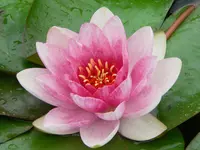
Its flowers are relatively small and rounded with numerous white petals and a compact yellow center, and they typically open during the day and close by evening in response to light and temperature.
Poor flowering often comes from water that is too cold, too deep, or nutrient-poor. Shallow, still water with full sun, a rich aquatic planting medium, and division of overcrowded rhizomes usually restores reliable summer flowering.
Keep your plants happy and healthy with plant identification, disease detection, and easy care guidance.