Shallow, Wide Potting
Use a wide, shallow container rather than a deep pot to match the plant’s naturally surface‑creeping rhizomes and reduce the risk of soggy lower soil layers that can rot roots.

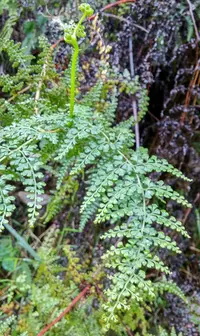
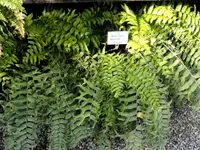
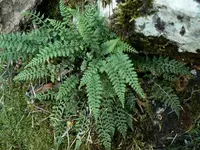
Thicket creepingfern, Odontosoria aculeata, is a small, spreading fern known for its finely divided, feathery fronds and delicate, arching habit. It often forms low, dense mats that soften the edges of rocks and soil.
This species is native to tropical and subtropical regions of the Americas, where it grows in humid forests, rocky slopes, and shaded banks. Its preference for consistent moisture and shelter from harsh sun makes it best suited to protected outdoor spots or specialized indoor displays.
The plant is moderate in difficulty, as it dislikes drying out or exposure to hot, direct light. For those who understand how to care for thicket creepingfern, it can be a graceful and long-lived groundcover or accent plant.

Care Difficulty
Moderate Care

Light Preference
Partial Shade

Water Requirements
Keep Soil Moist

Temperature Preference
Tropical / Frost Sensitive

Hardiness Zone
10–11

Soil Texture
Loamy, Peaty, Organic-rich

Soil pH
Acidic (5.5–6.5)

Soil Drainage
Moist but well-drained

Fertilization
Light (every 4–6 weeks)
Scan your plant to receive care tips personalized for your specific plant
Available on iOS and Android
This subtropical fern prefers bright, filtered light that mimics a lightly shaded forest understory.
This fern prefers consistently moist, never soggy soil that does not fully dry out.
This species thrives in mild, frost-free, humid conditions typical of warm-temperate to subtropical climates.
This fern prefers consistently moist air to keep fronds fine-textured and healthy.
This fern performs best in a light, airy, organic-rich mix that drains freely yet retains steady moisture.
This species adapts well to container growing when the pot supports its shallow, spreading root system.
Odontosoria aculeata benefits from light, balanced nutrition rather than heavy feeding.
Pruning Odontosoria aculeata focuses on hygiene and maintaining a neat, open clump.
This fern prefers stable conditions, so repotting or transplanting should be infrequent and gentle.
Propagation of Odontosoria aculeata is usually done by careful division rather than spores in home settings.
In mild, frost-free climates, thicket creepingfern needs only minimal winter attention.

Plant Health Check
Not sure what's wrong with your plant? Check your plant's health inside the app.
This species produces two distinct frond types: sterile fronds with broader segments for photosynthesis and narrower fertile fronds that bear the spore-producing sori along the margins.
The main axis of the frond (rachis) and the secondary axes are covered with small, stiff bristles, giving the plant a noticeably rough, sometimes prickly texture compared with many smoother forest ferns.
In its native tropical habitats, this fern can grow both on the forest floor and as an epiphyte on tree trunks or mossy rocks, using its wiry rhizomes to anchor in leaf litter and organic debris in humid forests.
This species forms low, creeping clumps and slowly enlarges outward by short rhizomes. It is usually not aggressive in typical garden conditions and is unlikely to overwhelm other plants if given moderate space and routine maintenance.
Keep your plants happy and healthy with plant identification, disease detection, and easy care guidance.